Tashkent → Parkent → Tashkent
Great Solar Furnace, Parkent
Visit the Great Solar Furnace near Parkent, a unique Soviet-era research complex in the foothills of the Tian Shan, 55 km from Tashkent.
Price on request
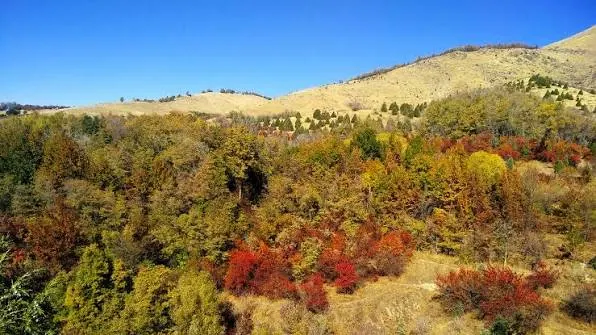
Home of the Great Solar Furnace in the Tian Shan foothills
A foothill town north-east of Tashkent, home of the Great Solar Furnace, a unique Soviet-era research complex that concentrates sunlight to temperatures of up to about 3,000 °C.
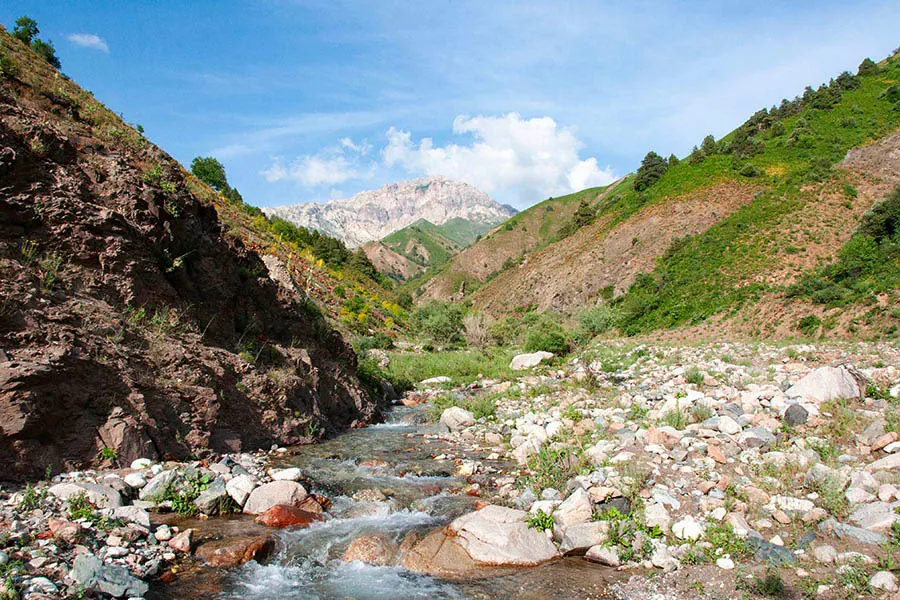
Parkent is a small town in the foothills of the western Tian Shan, about 55 km north-east of Tashkent. It is surrounded by orchards and vineyards, but it is best known for something unexpected: a giant solar furnace built for scientific research.
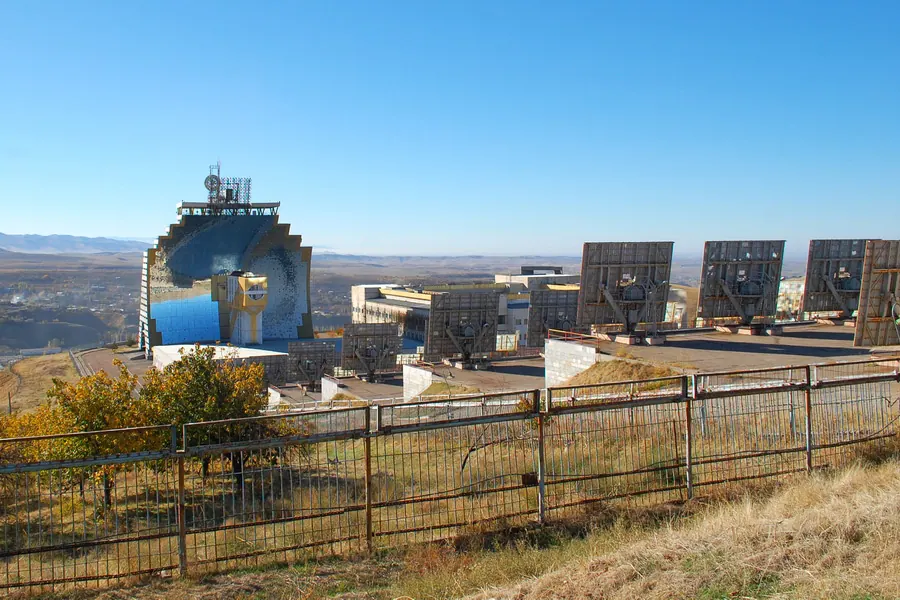
The Great Solar Furnace, sometimes called the “Physics–Sun” complex or the Institute of the Sun, was built in the Soviet era as part of a research facility for studying materials at extremely high temperatures. It stands at about 1,100 metres above sea level, where the air is clear and the sun shines on most days of the year.
The complex consists of three main parts:
Because the sunlight is clean and focused, the furnace can melt and test materials without contamination from fuel. It was used for research into heat-resistant materials and ceramics, and it still serves scientific purposes today.
With its vast mirrored façade facing the mountains, the furnace is also a striking piece of late-Soviet engineering. It was proposed as one of the components of the Tashkent Modernist Architecture World Heritage nomination, although it was not included when the property was inscribed in 2026.
Guided visits usually include the heliostat field, the Museum of Solar Energy, the hydrometeorological station, the concentrator and an upper viewing platform with views over the mountains and the Parkent valley. Some operational details change over time, such as whether melting demonstrations take place on a given day and whether the lift to the viewing platform is working, so we confirm the current situation when you book.
The foothills around Parkent offer simple pleasures: shashlik in the village of Sukok, the ancient Ali-Buva plane tree and holy spring in Kumyshkan, poppy fields in May and vineyards in September. Nearby, the village of Namdanak is home to the Khamkor winery.
Our Great Solar Furnace, Parkent day trip from Tashkent includes transfers with a guide and driver, a tour of the complex and free time in the foothills before returning to the capital.
A solar concentrator, technology tower and heliostat field built as part of the Soviet "Sun" research complex.
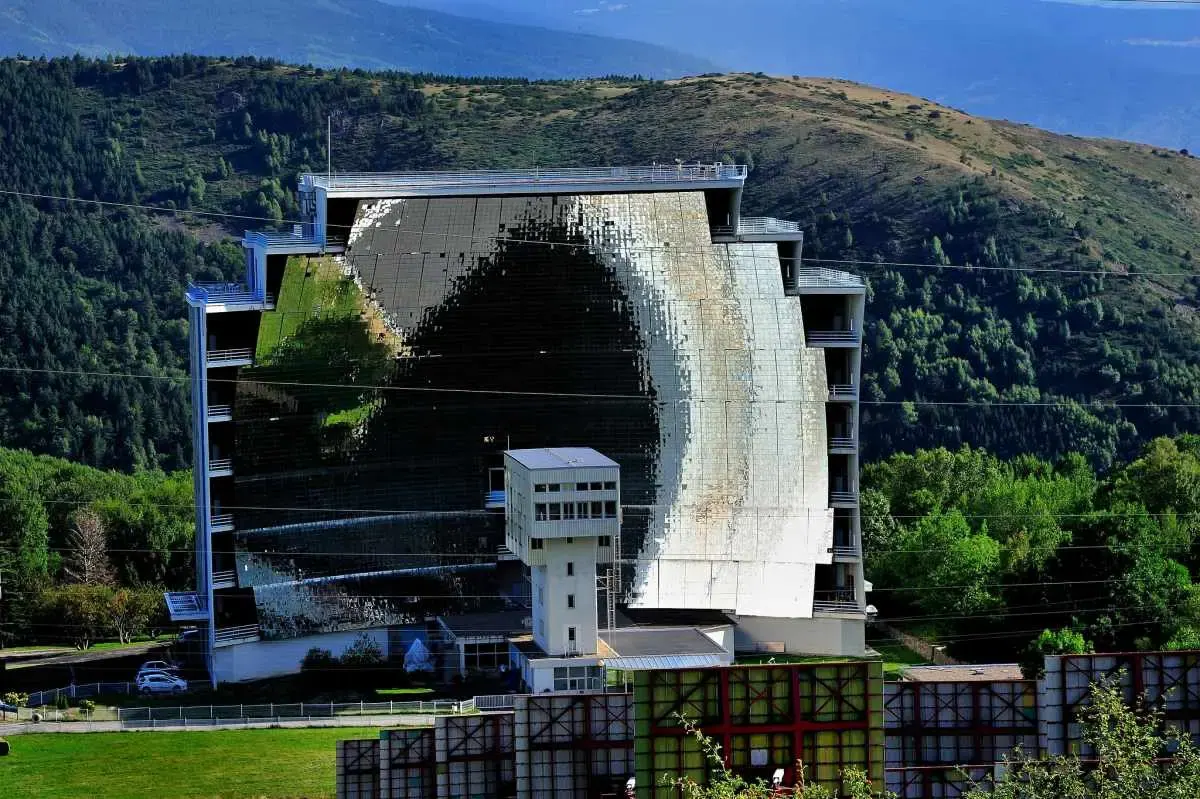
Rows of large movable mirrors that track the sun and reflect its light onto the concentrator.
Displays on the history and science of the complex.
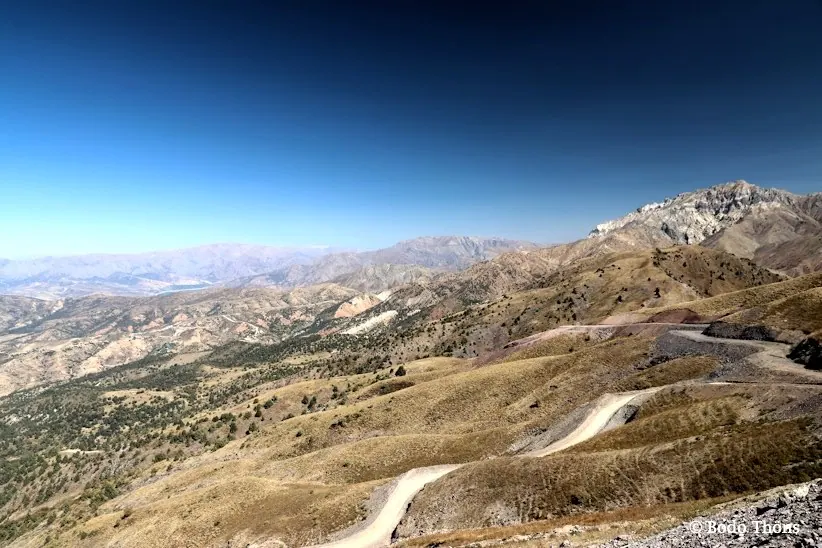
Views over the mountains and the Parkent valley (access conditions vary).
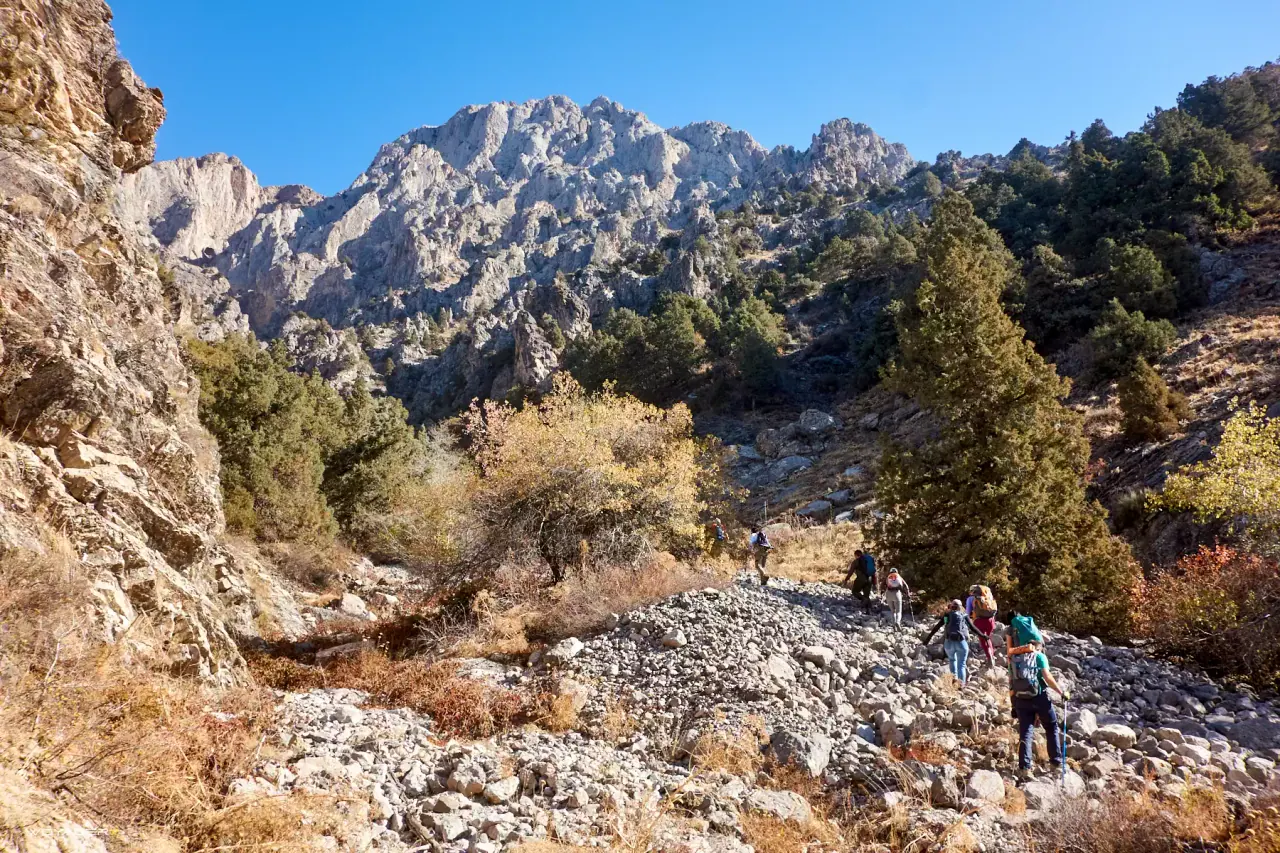
About 20 km from the Solar Furnace, known locally for its shashlik.
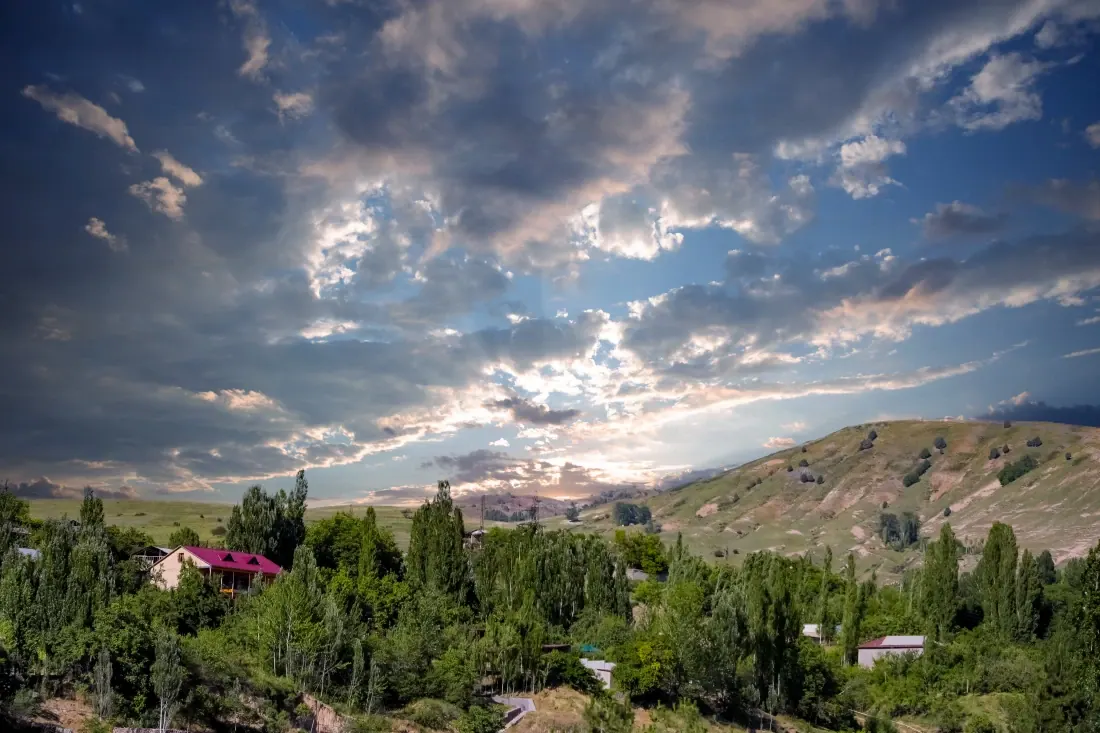
About 12 km from the Solar Furnace, with the ancient Ali-Buva plane tree and a holy spring.
Tashkent → Parkent → Tashkent
Visit the Great Solar Furnace near Parkent, a unique Soviet-era research complex in the foothills of the Tian Shan, 55 km from Tashkent.
Price on request
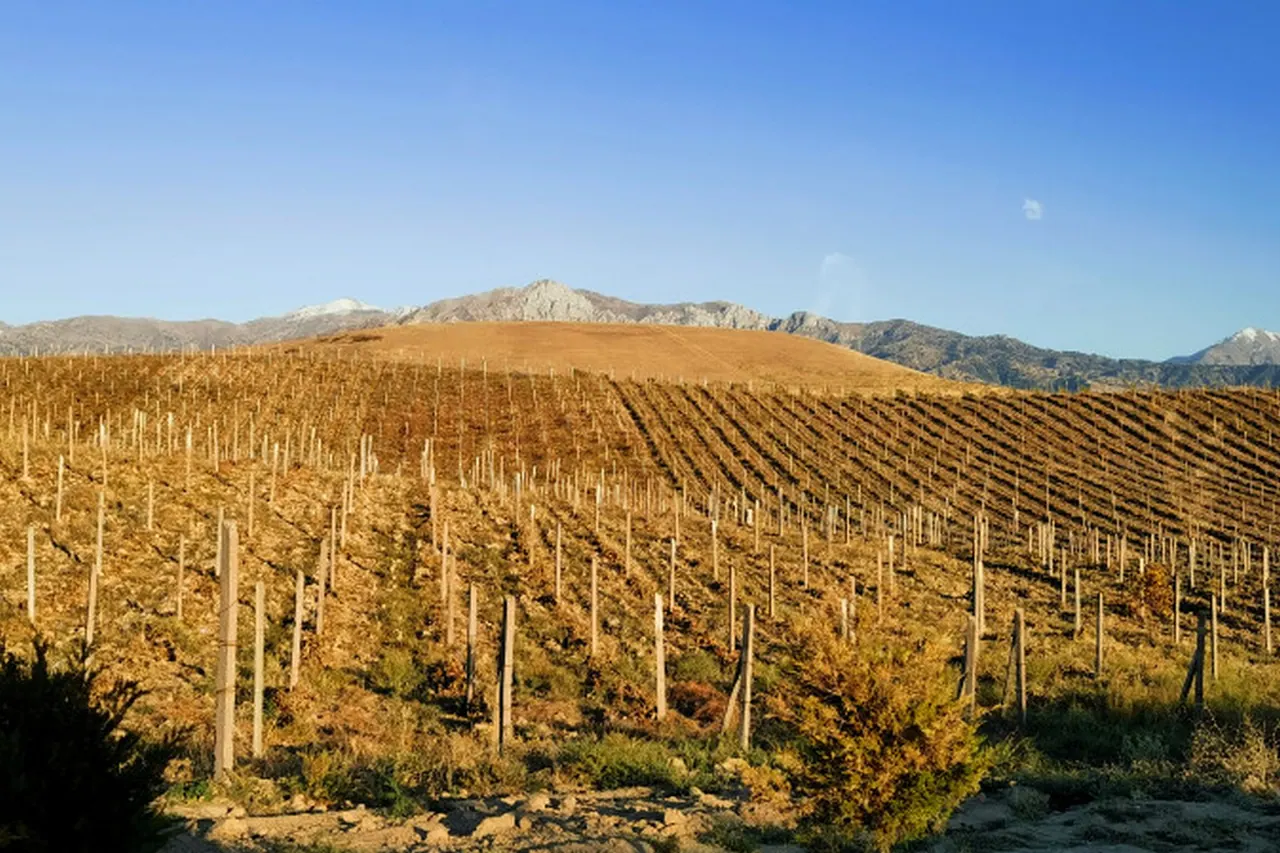
Tashkent → Namdanak → Tashkent
A day trip to the village of Namdanak and the Khamkor winery: a walk through the vineyards, the story of the estate and lunch with a tasting of its wines.
Price on request
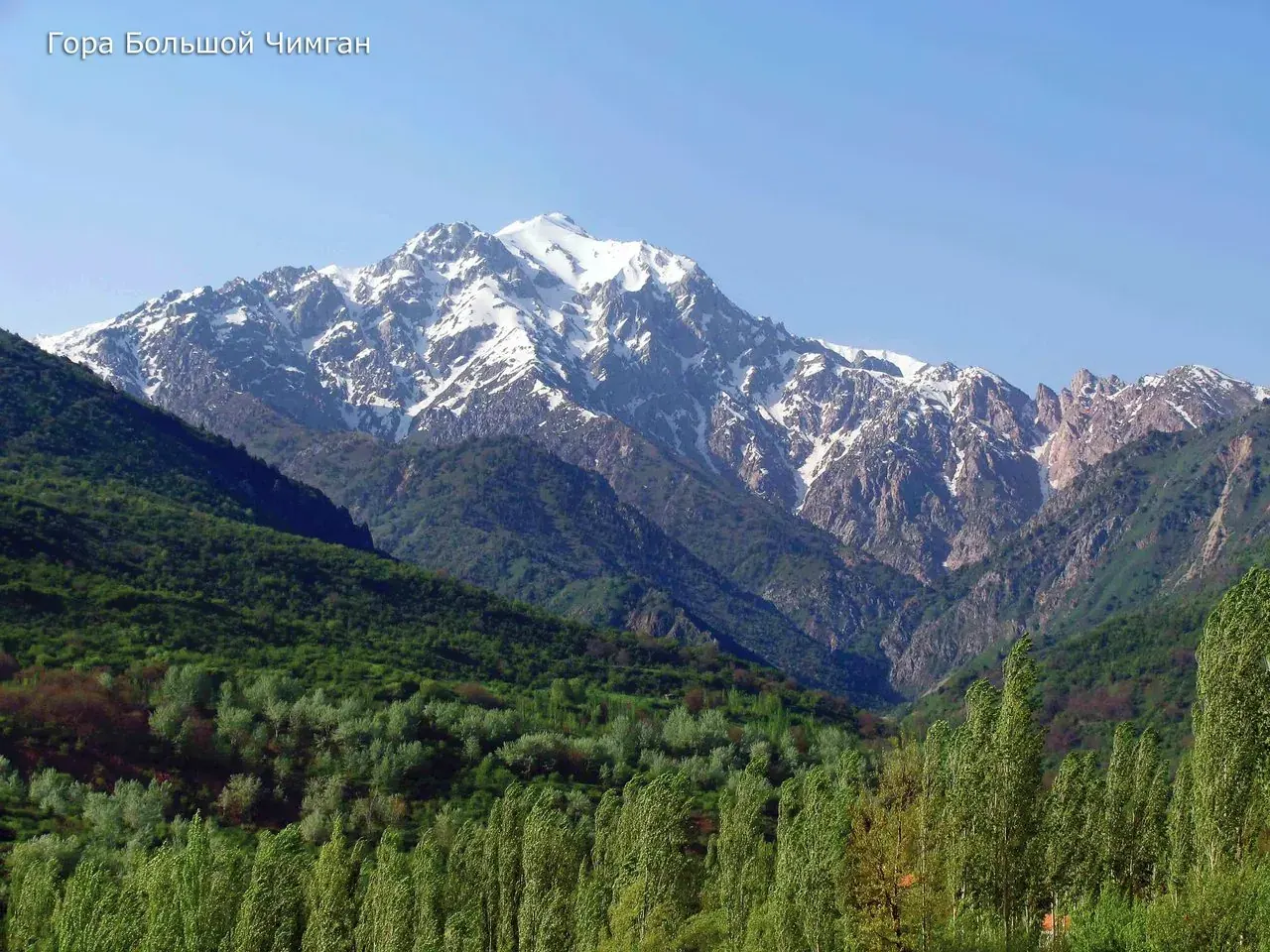
Tashkent → Chimgan (80 km)
A ski programme at the Amirsoy mountain resort in Chimgan, 80 km from Tashkent, arranged for any length of stay and any group size.
Price on request
Melting demonstrations depend on the weather and the research schedule and do not take place every day, for example at weekends and on some weekdays. Ask us to check the current situation before you book.
No. The Great Solar Furnace was proposed as one of the components of the Tashkent modernist architecture nomination, but the World Heritage Committee inscribed the property in 2026 without the solar furnace component.
Options mentioned in our programme include shashlik in the village of Sukok, the ancient Ali-Buva plane tree and holy spring in Kumyshkan, poppy fields in May and vineyards in September.
Uzbekistan guide
The Tian Shan and Pamir-Alay mountains, the Kyzylkum Desert, the Amu Darya and Syr Darya, the Aral Sea, reservoirs and nature reserves: Uzbekistan's landscapes explained.
From Sogdian merchants and Alexander the Great to Amir Temur, the khanates and independence in 1991: three thousand years of history in the heart of Central Asia.
Visas, money, language, time zone, plugs, trains, flights, taxis, SIM cards, food, etiquette, photography and safety: everything you need to know before travelling to Uzbekistan.
Tell us how you would like to travel and we will help you plan the journey.