A little preparation goes a long way in Uzbekistan. This guide covers the practical essentials. Rules and prices change, so always confirm time-sensitive details, especially entry requirements, before you travel.
Entry requirements and registration
Entry requirements depend on your nationality and are updated from time to time. Many nationalities can currently enter visa-free for a limited period, others can apply for an electronic visa, and some need a visa from an embassy. We do not publish visa lists on this website because they change; please check:
- the Ministry of Foreign Affairs of the Republic of Uzbekistan: gov.uz/en/mfa
- the official e-visa portal: e-visa.gov.uz
- the embassy or consulate of Uzbekistan in your country.
Foreign visitors must be registered at their place of stay; hotels normally do this automatically. Keep the registration slips your hotels give you until you leave the country.
Money
The currency is the Uzbek som (UZS). Exchange money at banks and official exchange offices, which are easy to find in the cities and at Tashkent airport, or withdraw som from ATMs. International cards are accepted in many hotels, restaurants and larger shops, but cash is essential in bazaars, small cafés and outside the main cities. Keep some smaller notes for tips, entrance fees and photography fees at monuments.
Language
Uzbek is the state language, and Russian is widely understood, especially in Tashkent and among older people. English is spoken in many hotels and by tour guides in the main tourist cities, but less elsewhere. A few words go a long way: Assalomu alaykum (hello), Rahmat (thank you).
Time and electricity
- Time zone: UTC+5 all year round (no daylight saving time).
- Electricity: 220 V, 50 Hz, with European-style type C and F sockets. Bring an adapter if your plugs differ.
Getting around
High-speed trains
The Afrosiyob high-speed train links Tashkent, Samarkand and Bukhara along a line of about 600 km. It is fast, comfortable and very popular, so tickets often sell out well in advance. Slower trains also run on these routes and further west, including to Khiva and Nukus. Official timetables and tickets are available from Uzbekistan Railways.
Domestic flights
Domestic flights connect Tashkent with cities such as Urgench (for Khiva), Nukus, Bukhara and Samarkand. They save time on long journeys to the west of the country; for example, our 11-day tour returns from Nukus to Tashkent by air.
Road travel
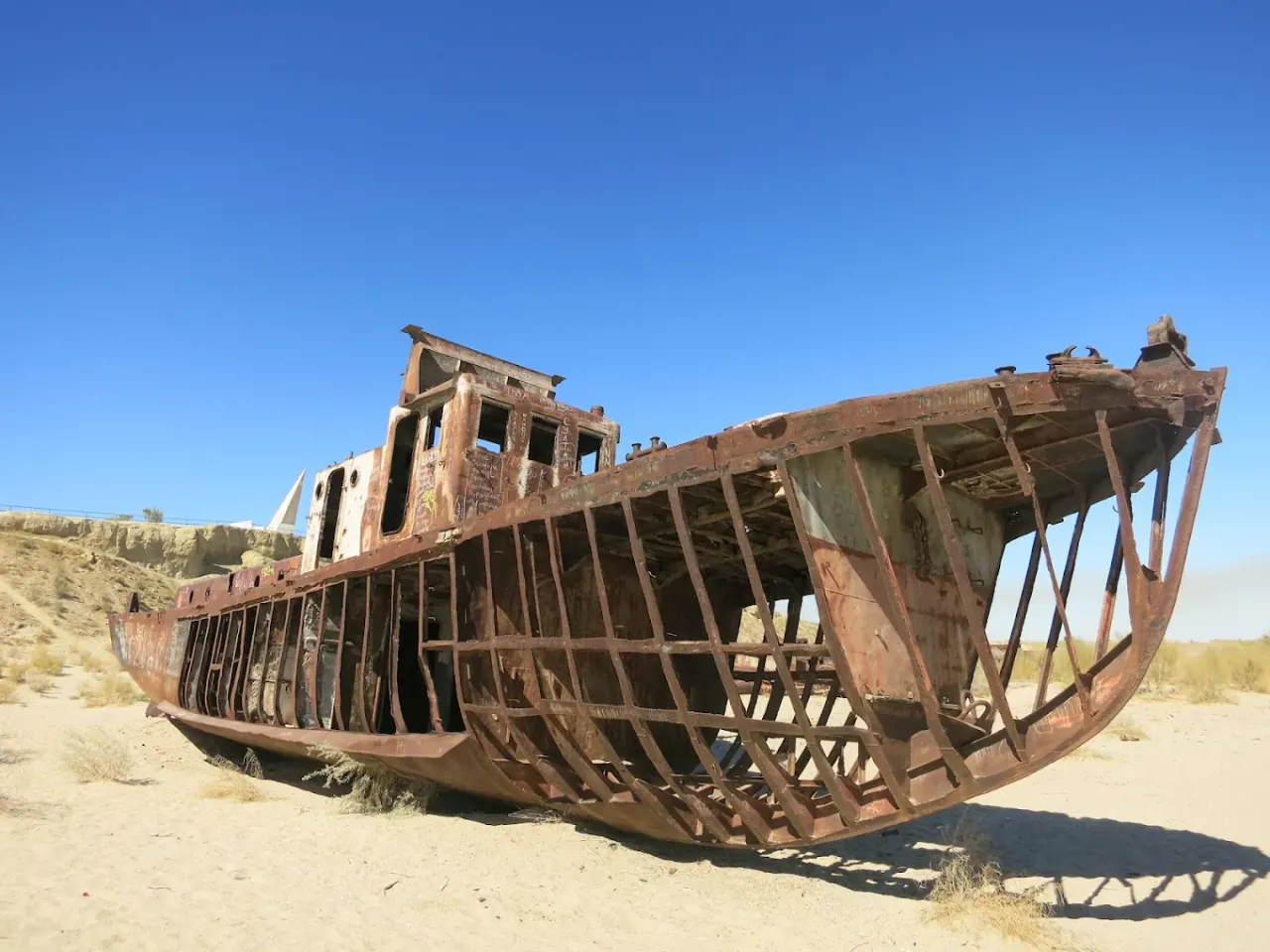
Some of the most memorable journeys are by road: the drive across the Kyzylkum Desert from Bukhara to Khiva follows an old caravan route, and the roads to Muynak and the Aral Sea cross Karakalpakstan. Distances are long, and some road sections are in poor condition, so a reliable vehicle and driver matter.
Taxis
In the cities, ride-hailing apps are widely used and generally the easiest way to take a taxi, as the price is agreed in advance. If you hail a car on the street, agree the fare before you set off. Tashkent’s metro is cheap, efficient and worth a visit for its decorated stations; photography in the metro is permitted today.
Phones and internet
Local SIM cards from the main mobile operators are inexpensive and are sold at the airport and in operators’ shops; you need your passport. Mobile data coverage is good in the cities and along major roads, but weaker in remote desert and mountain areas. Most hotels offer Wi-Fi.
Food and drink
Uzbek food is generous and meat-rich; see our guide to Uzbek cuisine. Drink bottled or boiled water. Tea is served everywhere. Service charges are sometimes included in restaurant bills; where they are not, a small tip is appreciated.
Etiquette
- Greet older people first; men often greet each other with a handshake and a hand on the heart.
- Use your right hand to give and receive, and treat bread with respect.
- Dress modestly, especially at religious sites and in rural areas; shoulders and knees covered.
- Remove your shoes when entering homes and prayer areas.
- Public displays of affection and drunkenness are frowned upon.
Read more in our guide to culture and traditions.
Photography
Uzbekistan is very photogenic, and people are often happy to be photographed, but always ask first, especially women and worshippers. Some monuments and museums charge a separate fee for photography or video. Do not photograph military installations or border areas, and check the current rules before bringing a drone, as their use is strictly regulated.
What to pack
- Spring and autumn: layers, a light jacket and comfortable walking shoes.
- Summer: light, breathable clothing that covers shoulders and knees, a hat, sunglasses and sunscreen.
- Winter: a warm coat, hat and gloves; many monuments are unheated.
- All year: a scarf for visits to religious sites, a small torch, any personal medicines and a power adapter.
Health and safety
Uzbekistan is generally considered a safe and hospitable destination, but take normal precautions with valuables, especially in crowded bazaars. Comprehensive travel insurance that covers medical treatment is strongly recommended. Check your own government’s latest travel advice before you go.
Emergency numbers: 101 (fire), 102 (police), 103 (ambulance). Your hotel and your tour operator can also help in an emergency.
Frequently asked questions
Where can I check visa requirements?
Entry rules depend on your nationality and change from time to time. Use the official sources: the Ministry of Foreign Affairs of Uzbekistan (gov.uz/en/mfa), the official e-visa portal (e-visa.gov.uz) and the Uzbek embassy or consulate in your country. Check before you book flights.
Should I bring cash?
Yes, it is wise to carry some cash. Cards are accepted in many hotels and restaurants in the main cities, but bazaars, small shops and rural areas often take cash only. Exchange money at banks or official exchange offices, or withdraw som from ATMs.
How do I get from Tashkent to Samarkand and Bukhara?
The Afrosiyob high-speed train connects Tashkent, Samarkand and Bukhara and is the most popular option. Tickets often sell out, so book early. Our multi-day tours include Afrosiyob tickets in economy class.
Is it easy to get a local SIM card?
Yes. Local SIM cards from the main mobile operators are sold at Tashkent airport and in operators' shops in the cities. You will need your passport to buy one.