Uzbekistan can be visited all year round, but the seasons make a big difference to the experience. The country has a continental climate, with hot, dry summers, cold winters and comfortable shoulder seasons. Conditions vary from year to year and between regions, so treat the guidance below as general rather than a promise of particular weather.
Spring (March to May)
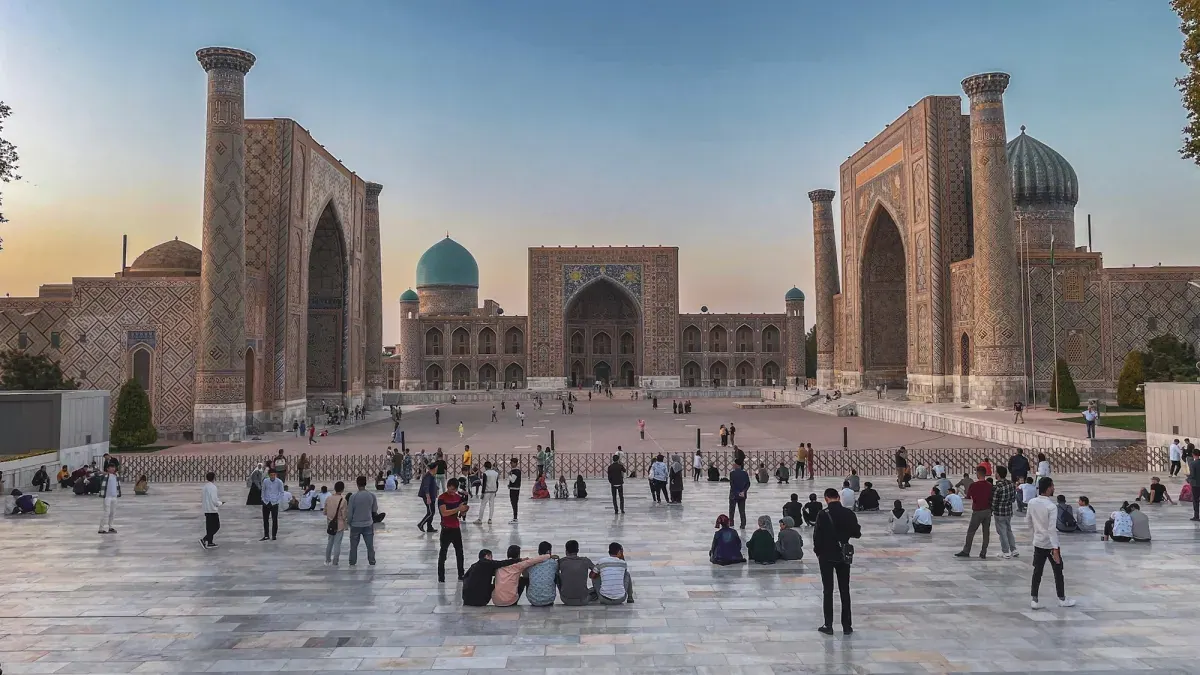
Spring is one of the most popular times to travel. The countryside turns green, fruit trees blossom and temperatures are generally pleasant for walking around the old cities. Navruz on 21 March brings festivities across the country (see festivals).
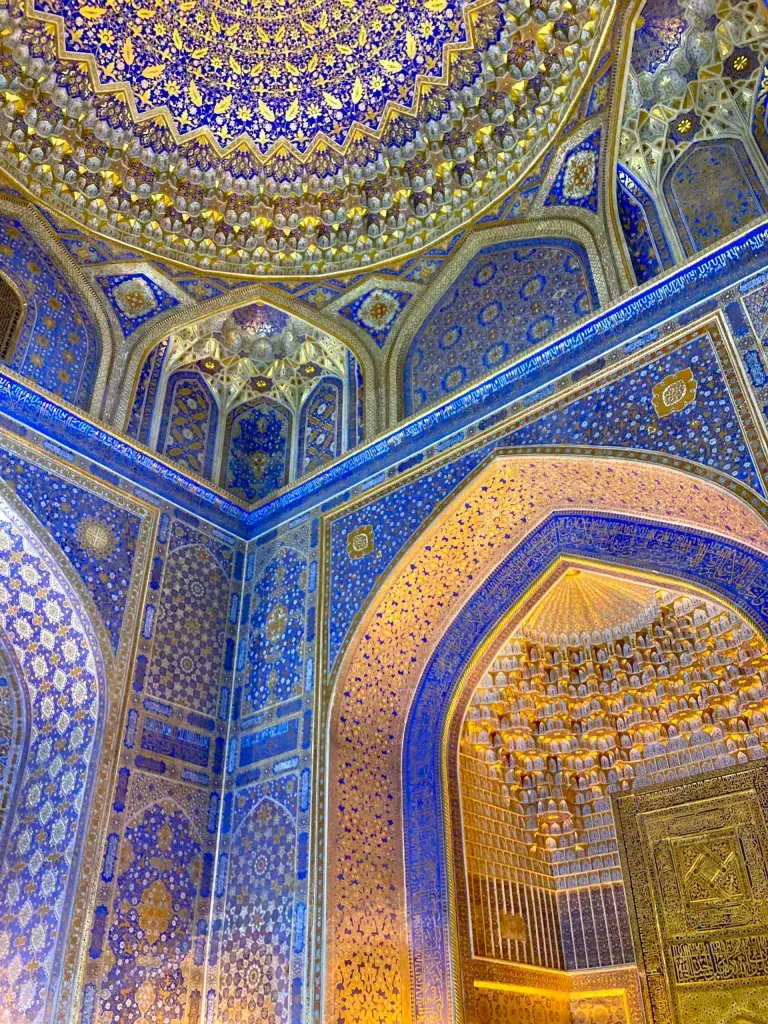
- Good for: the classic Silk Road route through Samarkand, Bukhara and Khiva; photography; gardens and countryside.
- Keep in mind: early spring can be cool and rainy, and late May is already warm in the desert cities. Popular dates around Navruz and in May book up early.
Summer (June to August)
Summer is hot and dry. In the desert regions of Bukhara, Khiva and Karakalpakstan, daytime temperatures can be extreme in July and August. Tashkent and Samarkand are also hot, though evenings are pleasant.
- Good for: the mountains of the Tashkent Region, Charvak Reservoir, hiking; fresh fruit at its best in the bazaars.
- Keep in mind: plan sightseeing for early morning and evening, carry water, wear a hat and light clothing that covers shoulders and knees, and rest at midday.
Autumn (September to November)
Autumn is the other favourite season. The heat eases, the light turns golden and the bazaars overflow with grapes, melons and pomegranates. It is also the main season for weddings.
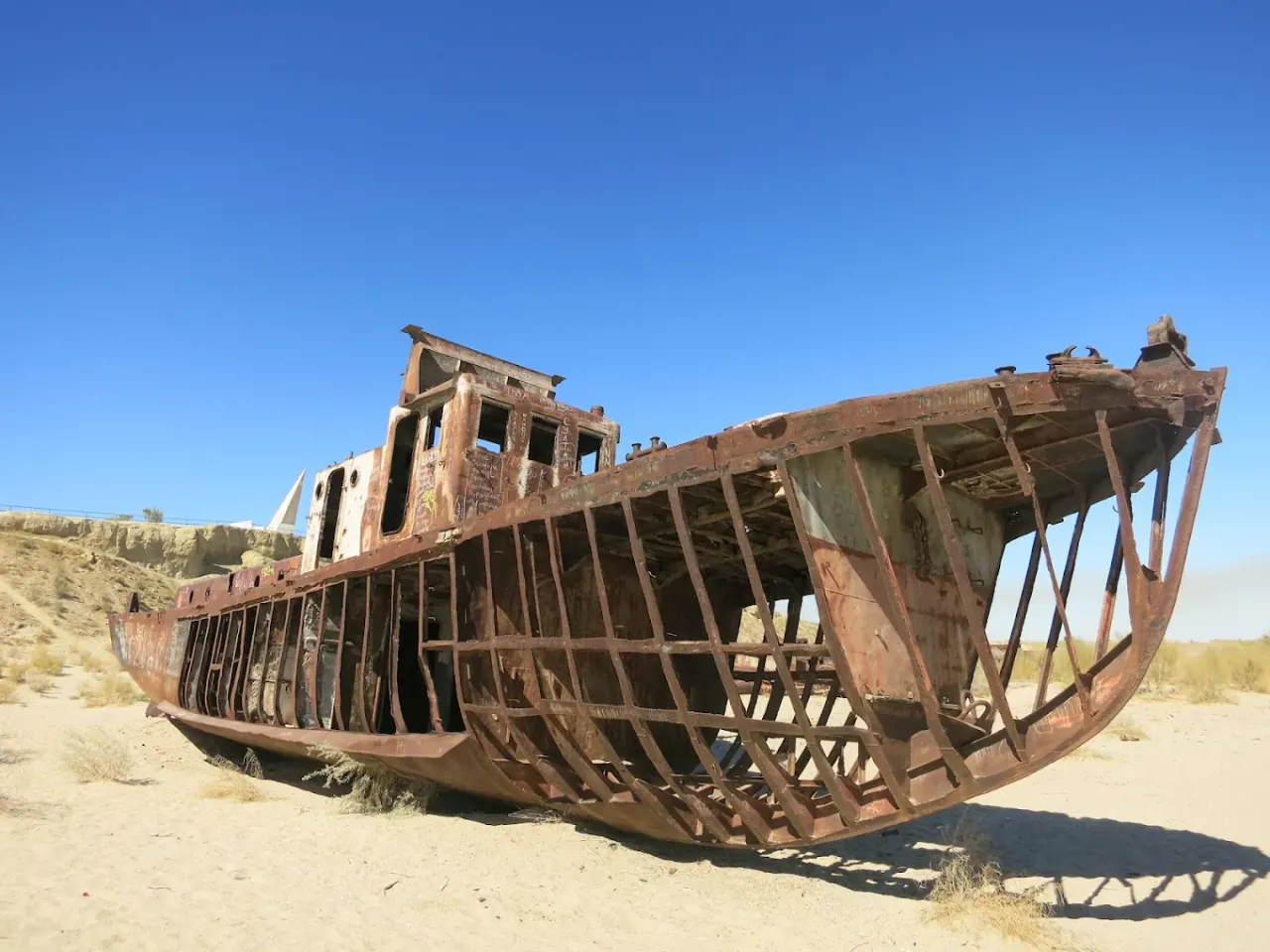
- Good for: all city sightseeing, the Aral Sea journey, food-focused trips such as our gastronomic tour and wine tasting at the Khamkor winery.
- Keep in mind: September and October are busy; nights get cold in November, especially in the desert and mountains.
Winter (December to February)
Winter is cold, with frost and occasional snow, and days are short. The upside is far fewer visitors, and the monuments under a dusting of snow are a rare sight.
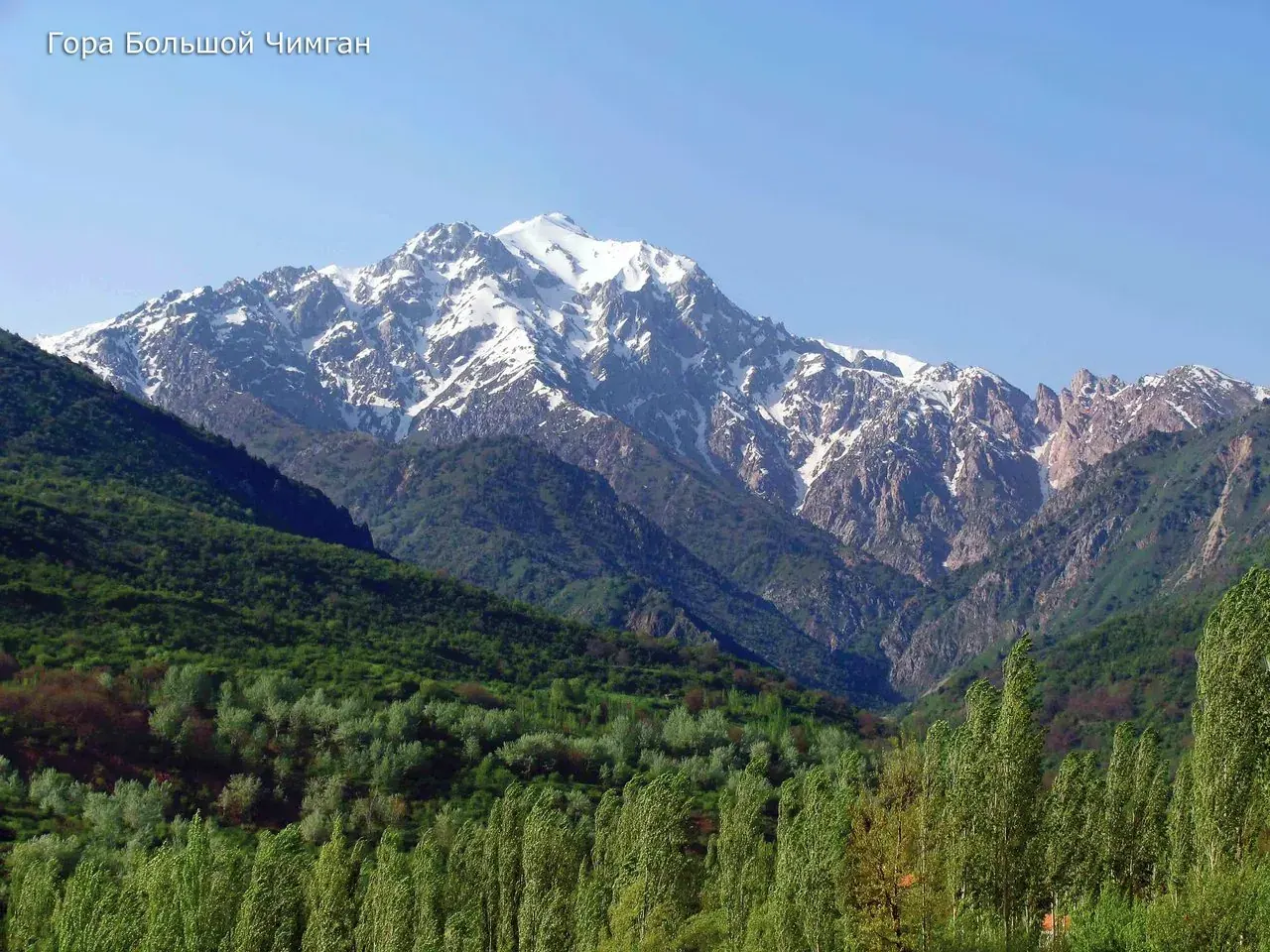
- Good for: quiet visits to the cities and skiing at Amirsoy and Chimgan, where the season depends on snowfall.
- Keep in mind: many historic buildings are unheated, so warm layers are essential, and some long-distance excursions, such as trips to the Aral Sea, are more demanding in winter.
Regional differences
| Region | Character |
|---|---|
| Tashkent and Tashkent Region | Continental; cooler and snowier in the mountains |
| Samarkand and Shakhrisabz | Hot summers, cool winters; pleasant spring and autumn |
| Bukhara and Khiva | Desert climate: very hot summers, cold winters |
| Karakalpakstan and the Aral Sea | Harshest extremes of heat and cold; wind and dust possible |
Planning tips
- For the classic route, aim for April–May or September–October.
- Combine a hot-season city visit with a few days in the mountains near Tashkent.
- Check the latest forecast before you travel and pack layers in every season.
Frequently asked questions
Is it too hot to visit Uzbekistan in summer?
Summer is very hot on the plains, especially in Bukhara, Khiva and Karakalpakstan, so sightseeing is best done early in the morning and in the evening, with a long break at midday. The mountains near Tashkent are much cooler and popular in summer.
Can I visit Uzbekistan in winter?
Yes. Winter is cold, sometimes with snow, but the monuments are quiet and the light can be beautiful. It is also the ski season at Amirsoy and in the Chimgan mountains. Dress warmly, as many historic buildings are unheated.
When is the best time for an Aral Sea trip?
Late spring and early autumn usually offer the most comfortable conditions for the long drives and nights in yurts. Summer can be extremely hot and winter very cold in Karakalpakstan.