Plan Your Trip
Language
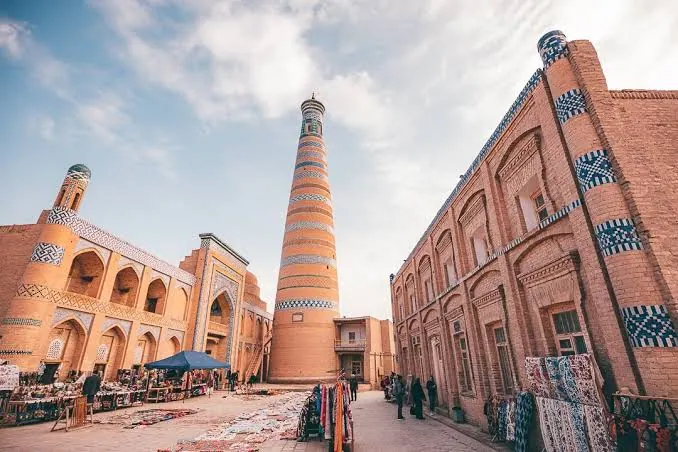
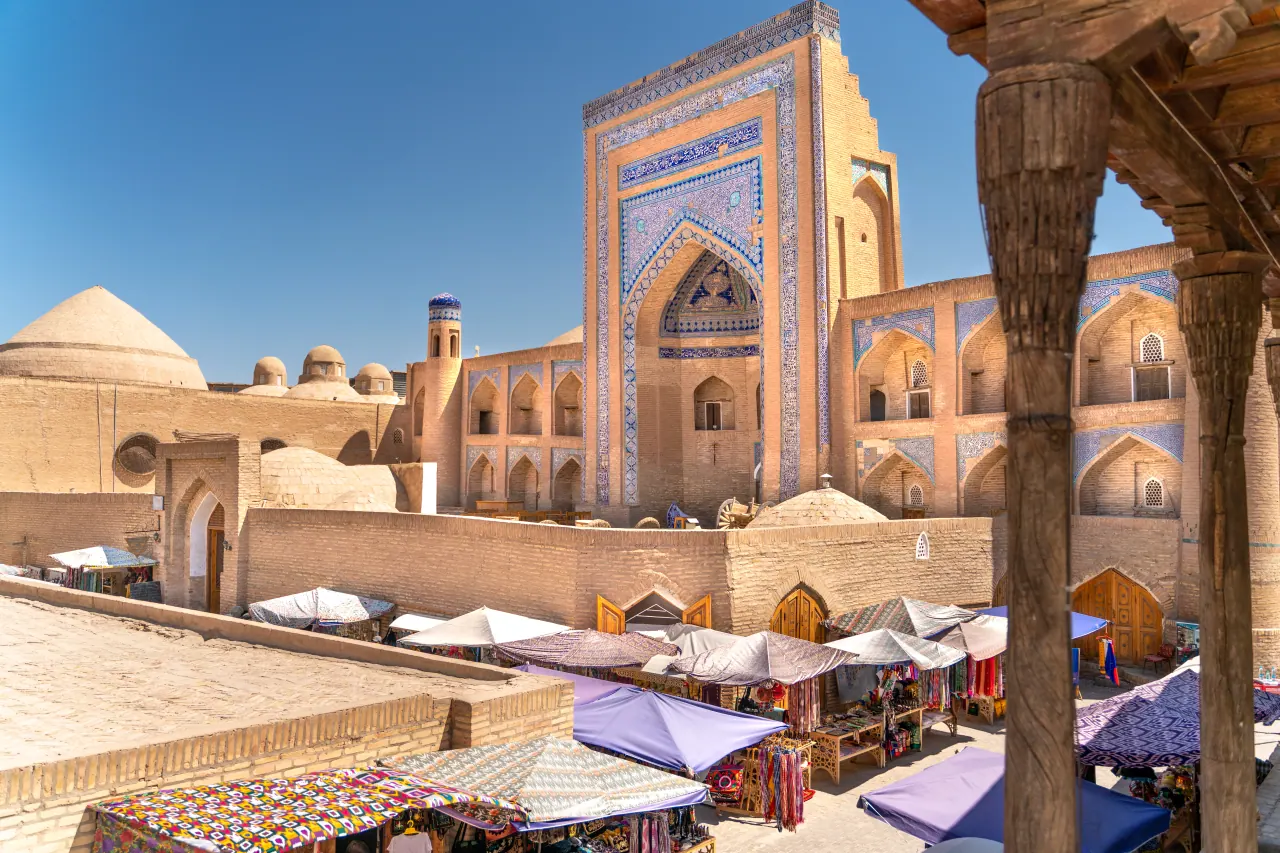
Madrasa portal and market stalls in the old town of Khiva

The walled city of Khorezm, last stop before the desert

Khiva

A city of ancient Khorezm on the lower Amu Darya, whose walled inner town, Itchan Kala, became Uzbekistan's first UNESCO World Heritage site in 1990.

About Khiva

Khiva is a city of ancient Khorezm, a historic region of Uzbekistan on the lower Amu Darya. Thousands of years ago there was an oasis here, through which the Great Silk Road passed, and Khiva was long the last stop for caravans before they crossed the desert towards Iran. Its walled inner town, Itchan Kala, is so well preserved that it is often described as an open-air museum, and it became Uzbekistan’s first UNESCO World Heritage site in 1990.

Khorezm: an ancient civilisation

Khorezm (Chorasmia) was one of the earliest civilisations of Central Asia, built on irrigation from the Amu Darya. In the Middle Ages its capital, Urgench, ruled a powerful state under the Khwarazmshahs until the Mongol invasion of 1221. The great scholars al-Khwarizmi and al-Biruni were born in Khorezm.

From the sixteenth century, Khiva became the capital of the Khanate of Khiva, which lasted until 1920. Most of the monuments visible today were built or rebuilt in the eighteenth and nineteenth centuries.

There is an intriguing legend about the city’s origins: it is said to have grown up around a well dug on the orders of Shem, son of the biblical Noah. The well can still be seen in the old town.

Itchan Kala

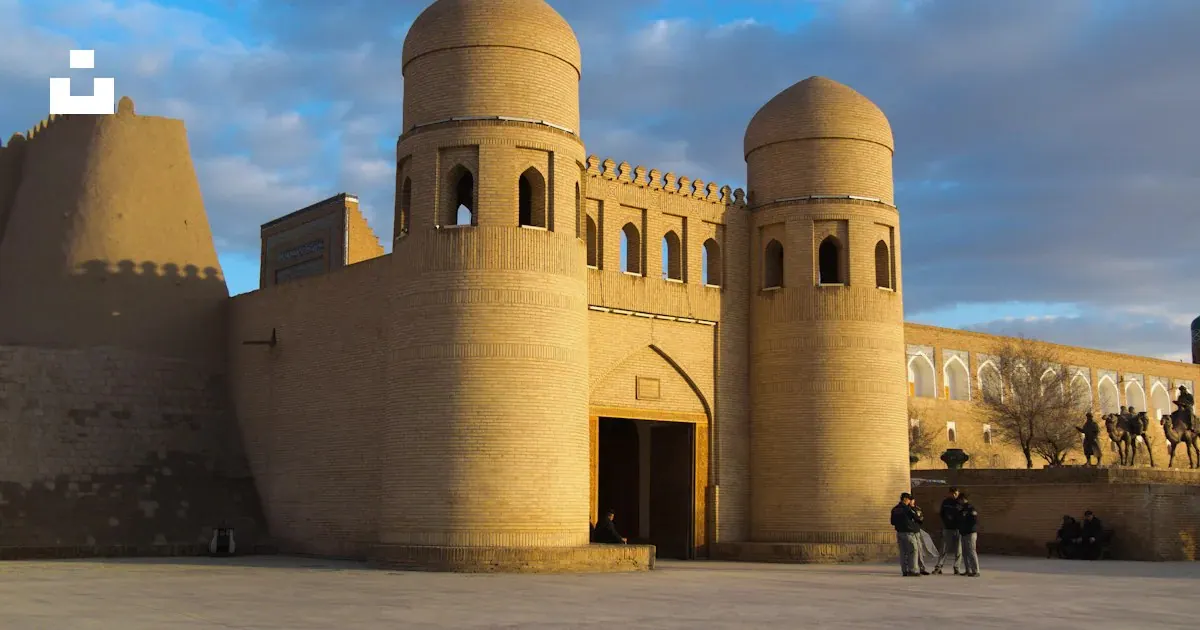
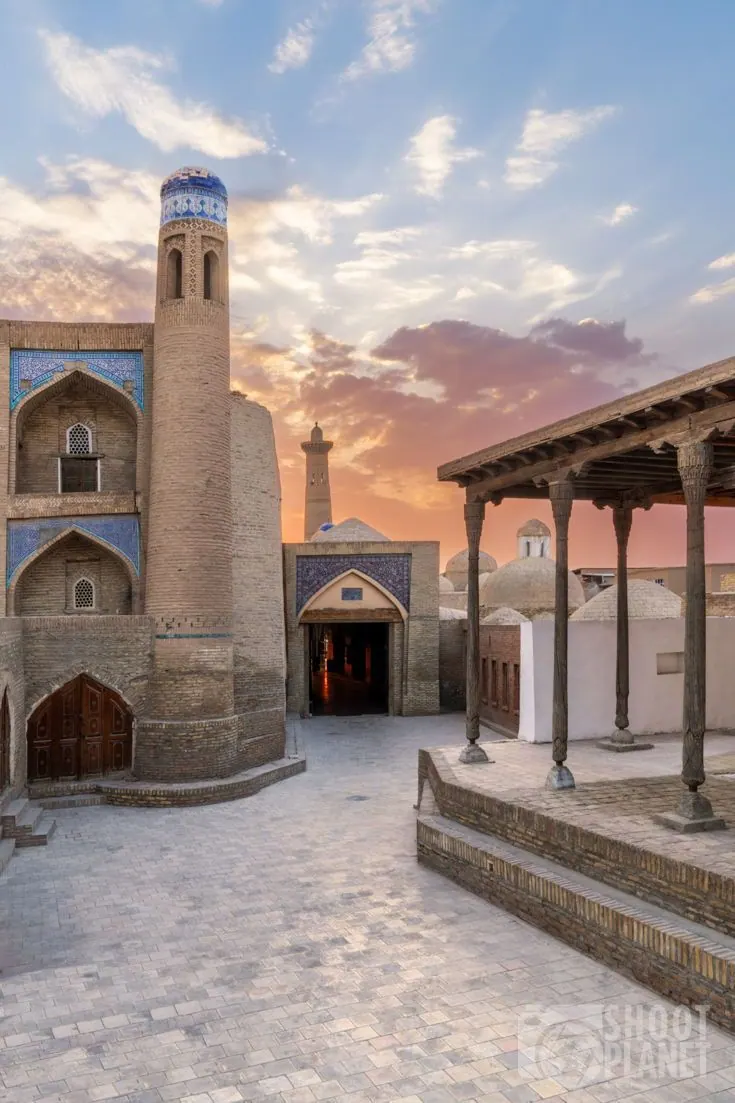
The inner town is enclosed by mud-brick walls about 10 metres high, with four gates facing the cardinal points. Inside, within a compact area, stand dozens of historic monuments and hundreds of traditional houses. UNESCO notes that, although few very old monuments survive, Itchan Kala is a coherent and remarkably well-preserved example of Muslim architecture in Central Asia. The outer town, Dishan Kala, once had its own wall.

Kunya-Ark

The Kunya-Ark (“old fortress”) was the khans’ citadel, a “city within a city” with its own mosque, mint, harem, reception courtyard and throne hall. Climb the watchtower at sunset for a view over the domes and minarets of Itchan Kala.

Minarets of Khiva

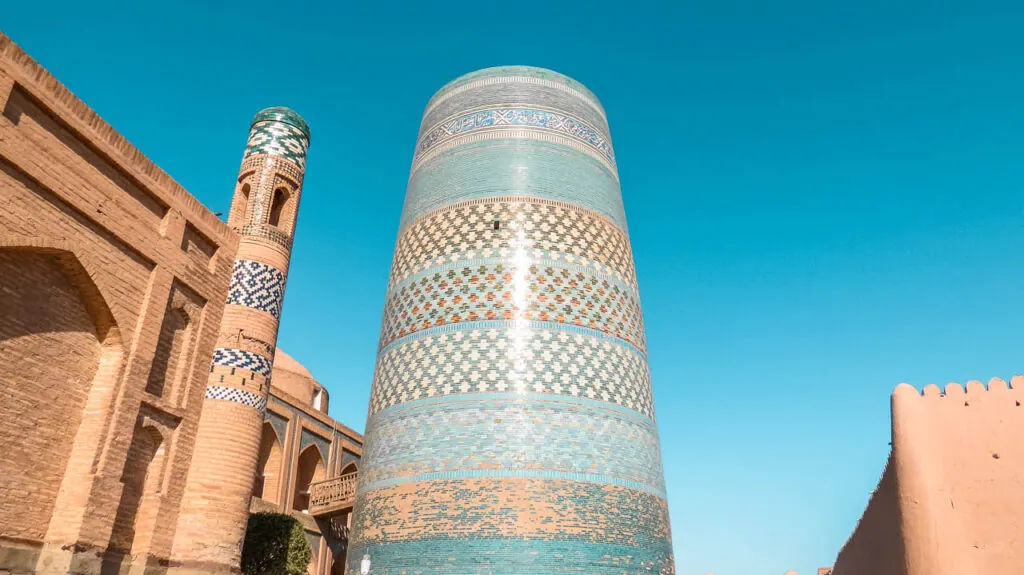
  • Kalta Minor (“short minaret”) was begun around 1851 by Muhammad Amin Khan and intended to be the tallest minaret in Central Asia. Work stopped after the khan’s death in 1855, leaving a broad stump entirely covered in glazed tiles, the only minaret of its kind.
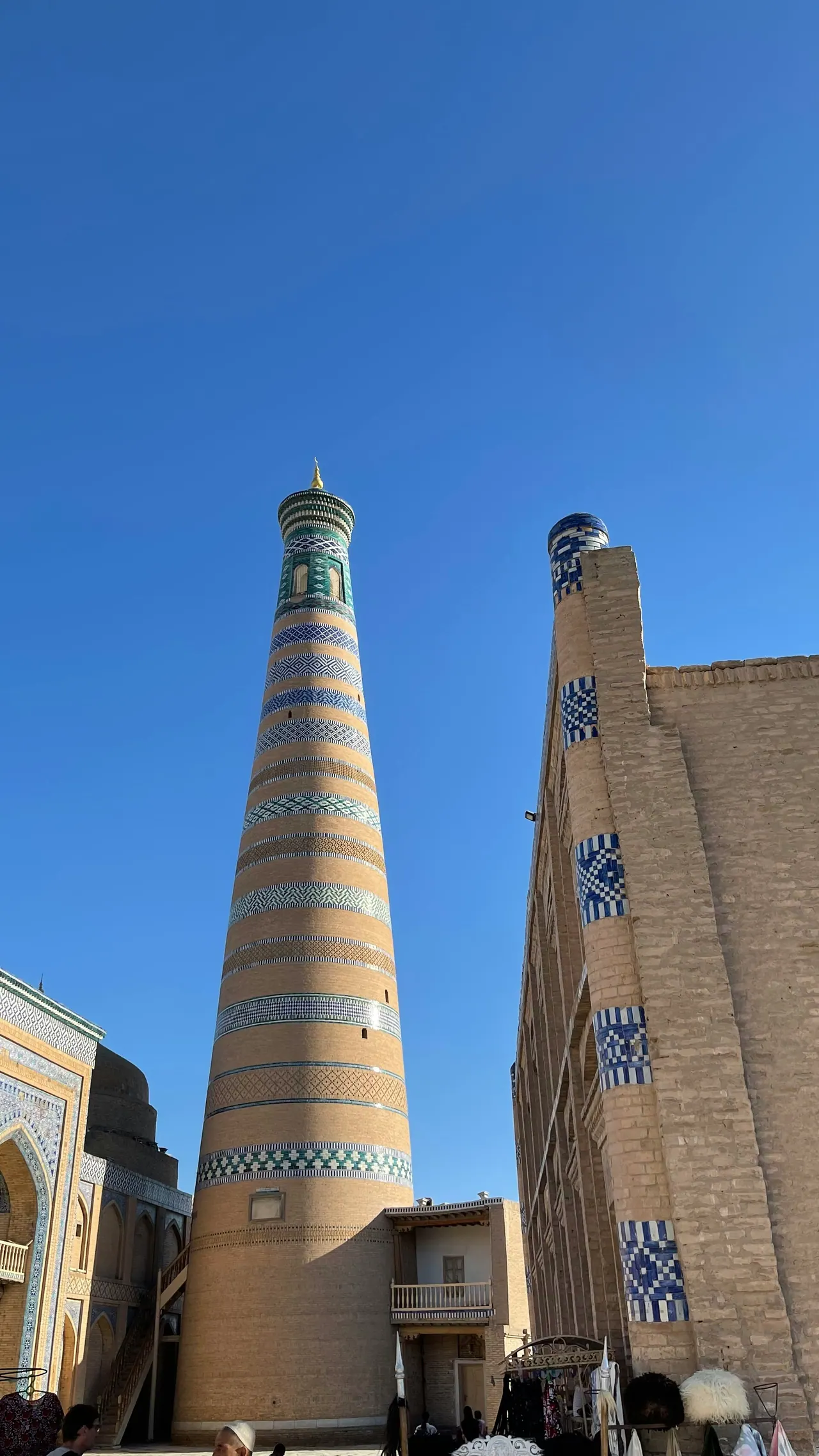
  • Islam Khoja Minaret, completed in the early twentieth century with its madrasa, is the tallest in Khiva and its best-known landmark.
  • The minaret of the Juma Mosque rises from the centre of the old town.

Palaces and mosques

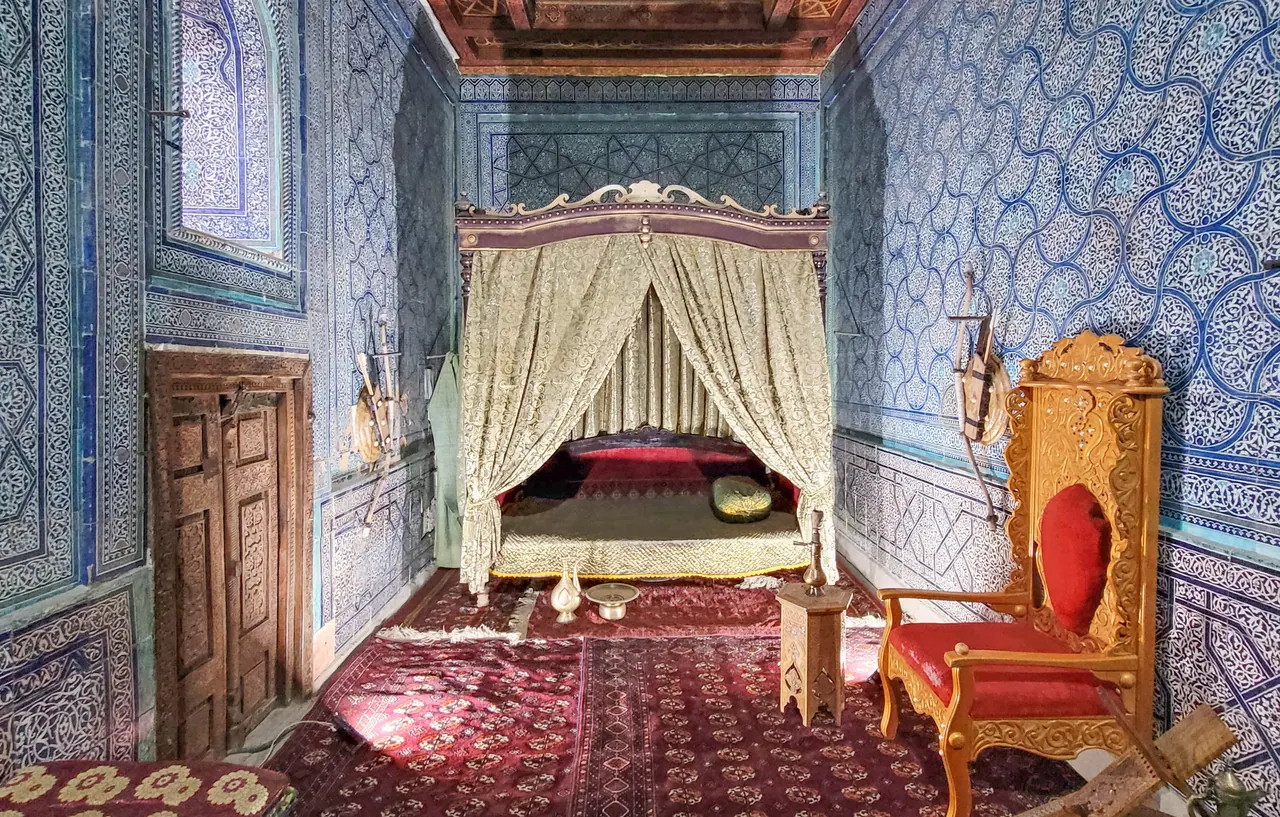
The Tosh-Hovli (“stone courtyard”) palace was built in the 1830s for Allakuli Khan. Its harem courtyard is lined with high wooden-columned ayvans and walls of blue and white majolica.

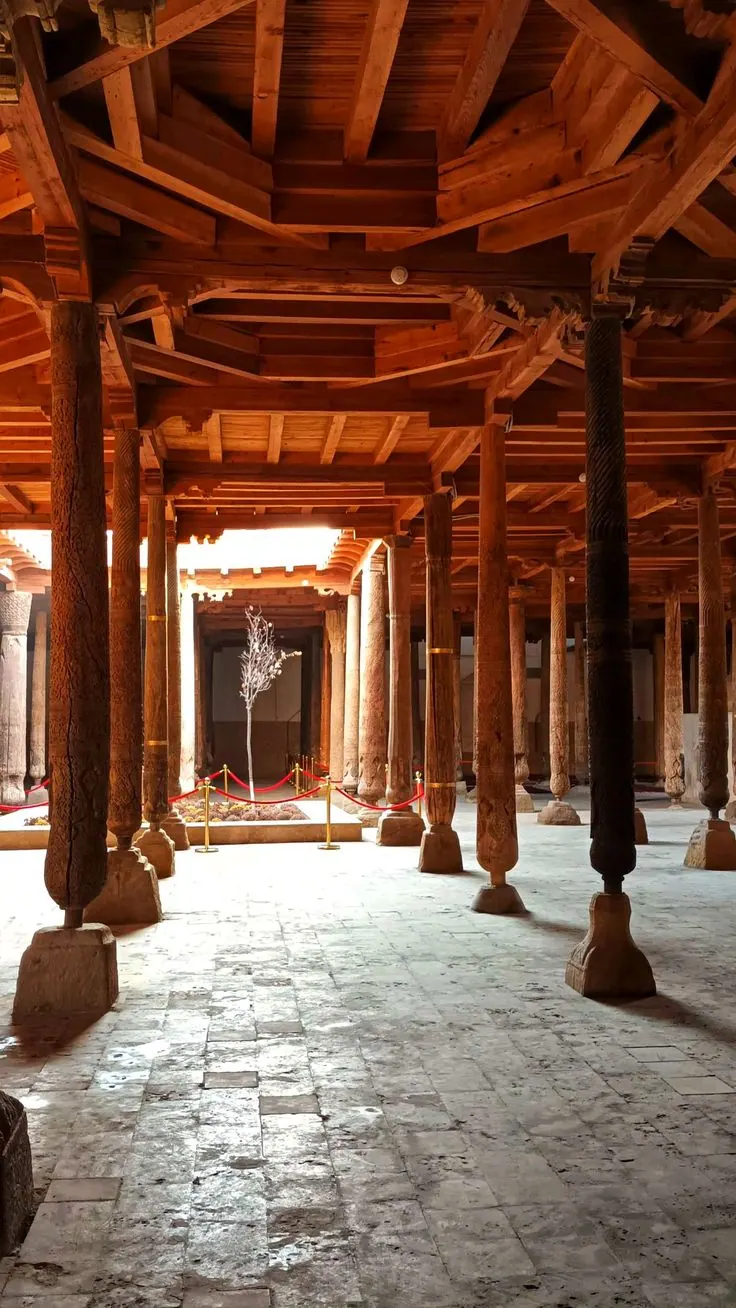
The Juma Mosque is unlike any other in Uzbekistan: a single, dimly lit hall whose flat roof rests on more than two hundred carved wooden columns. Some of the columns are many centuries older than the present building, reused from earlier structures.

Pahlavan Mahmud

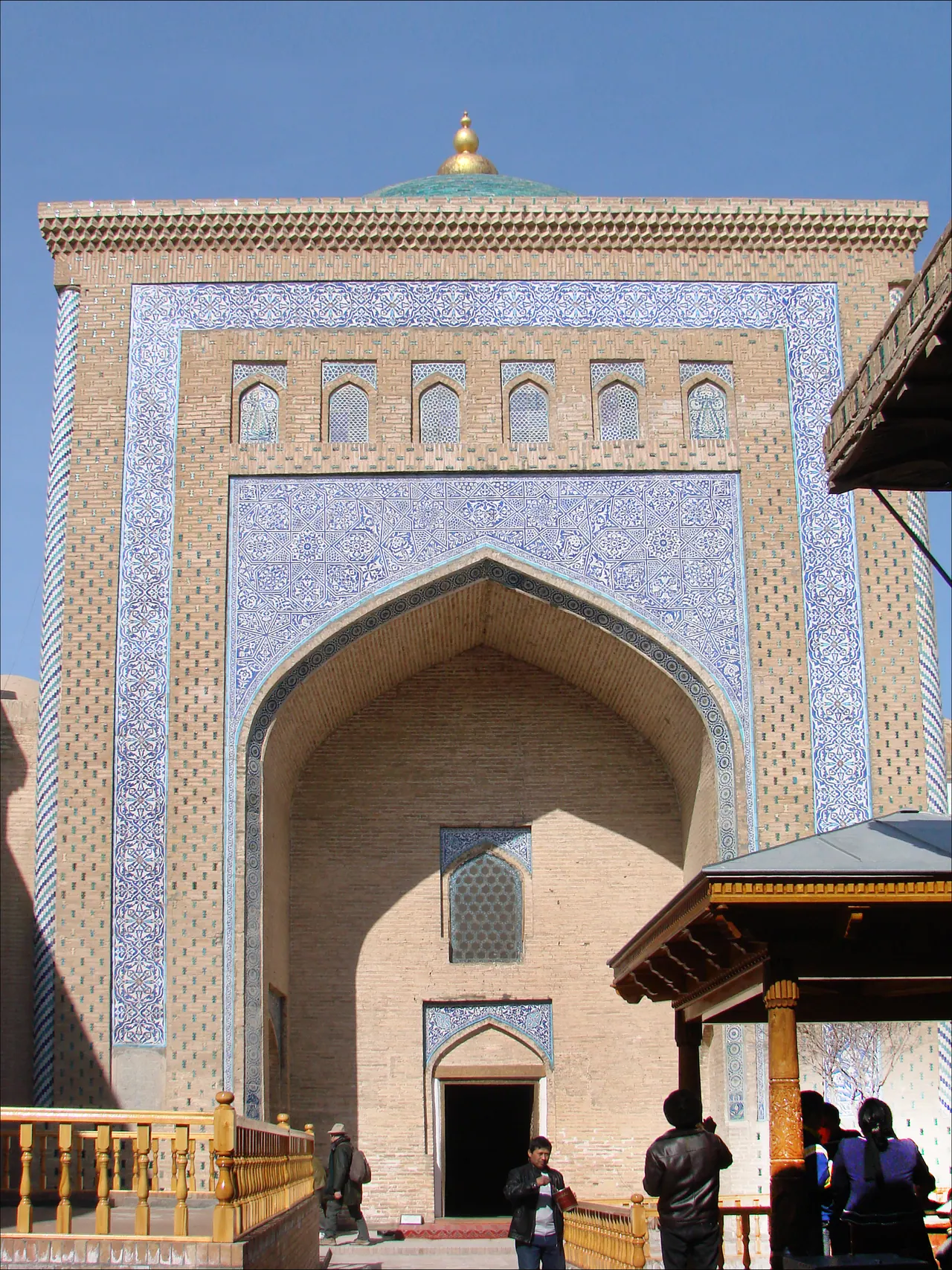
The Pahlavan Mahmud Complex honours Khiva’s patron saint, a fourteenth-century poet, philosopher and champion wrestler. Its turquoise dome and tiled interior make it one of the most beautiful buildings in Khiva, and it remains a place of pilgrimage.

Khorezm culture

Khorezm has its own dialect, music and the energetic dance Lazgi, inscribed by UNESCO in 2019. Khiva is renowned for wood carving, seen in its columns and doors, and for embroidery and ceramics. Local dishes include shivit oshi, green noodles flavoured with dill, and tukhum barak, egg-filled dumplings.

Visit Khiva with Turenta Travel

Khiva is included in our 11-day Welcome to Uzbekistan and the Aral Sea tour, which drives from Bukhara across the Kyzylkum, spends a full day in Itchan Kala and continues to Nukus and the Aral Sea.
Main attractions

  • Itchan Kala

    Itchan Kala

    The walled inner town: mud-brick walls about 10 m high around madrasas, mosques, palaces and minarets.

  • Kunya-Ark

    Kunya-Ark

    The "old fortress" of the khans, a city within a city with a throne hall, mosque and watchtower.

  • Kalta Minor

    Kalta Minor

    The broad, tile-covered minaret begun around 1851 and left unfinished after the khan's death in 1855.

  • Tosh-Hovli Palace

    Tosh-Hovli Palace

    The nineteenth-century palace of Allakuli Khan, with harem courtyards and majolica-tiled ayvans.

  • Juma Mosque

    Juma Mosque

    A hypostyle Friday mosque whose roof rests on more than two hundred carved wooden columns, some of them centuries old.

  • Islam Khoja Minaret

    Islam Khoja Minaret

    Built in the early twentieth century, the tallest minaret in Khiva and the symbol of the city.

  • Pahlavan Mahmud Complex

    Pahlavan Mahmud Complex

    The shrine of Khiva's patron saint, a fourteenth-century poet, philosopher and wrestler, under a turquoise dome.

  • Muhammad Amin Khan Madrasa

    Muhammad Amin Khan Madrasa

    The largest madrasa in Khiva, beside the Kalta Minor, from the mid-nineteenth century.

Tours featuring this destination

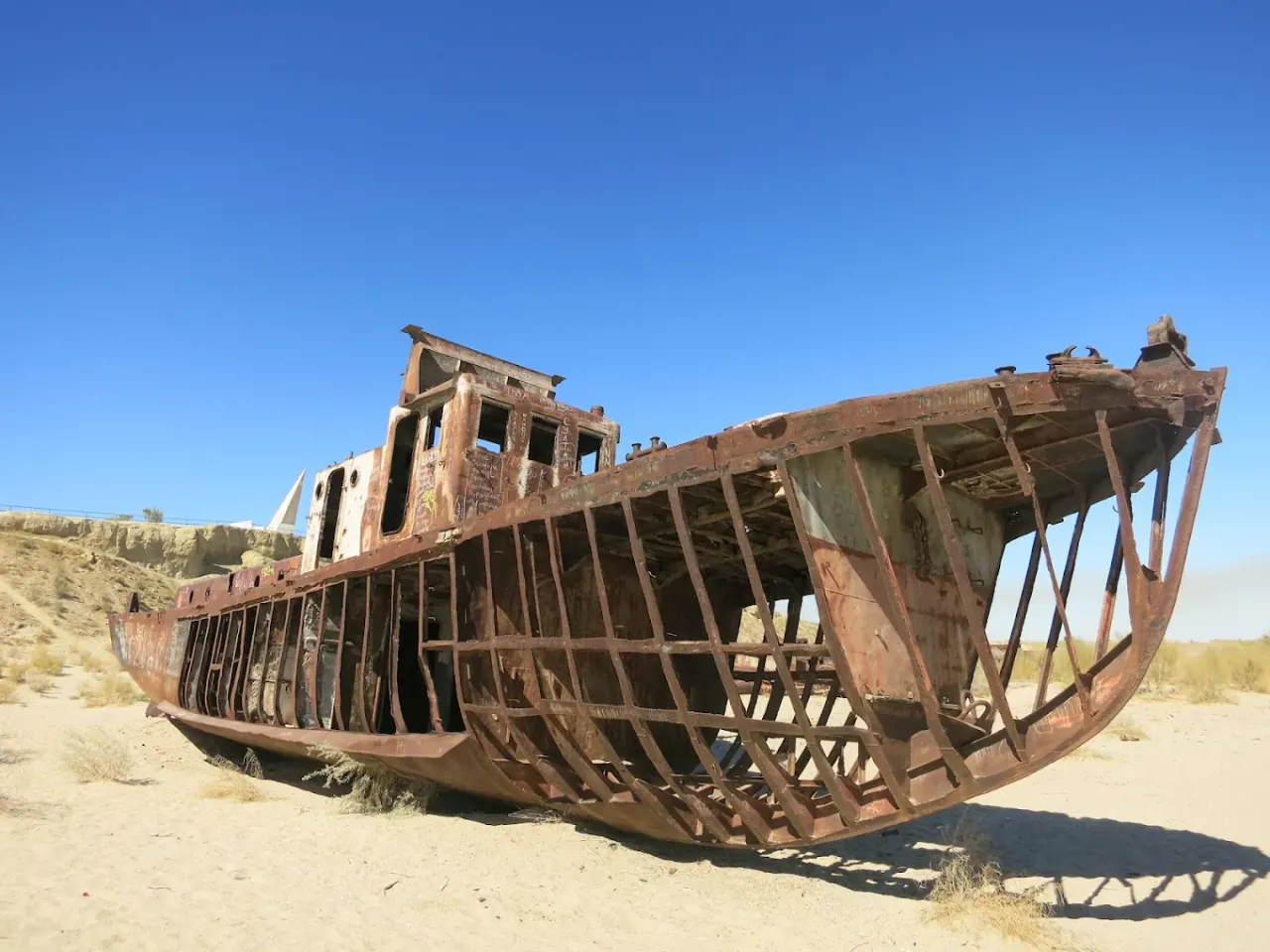
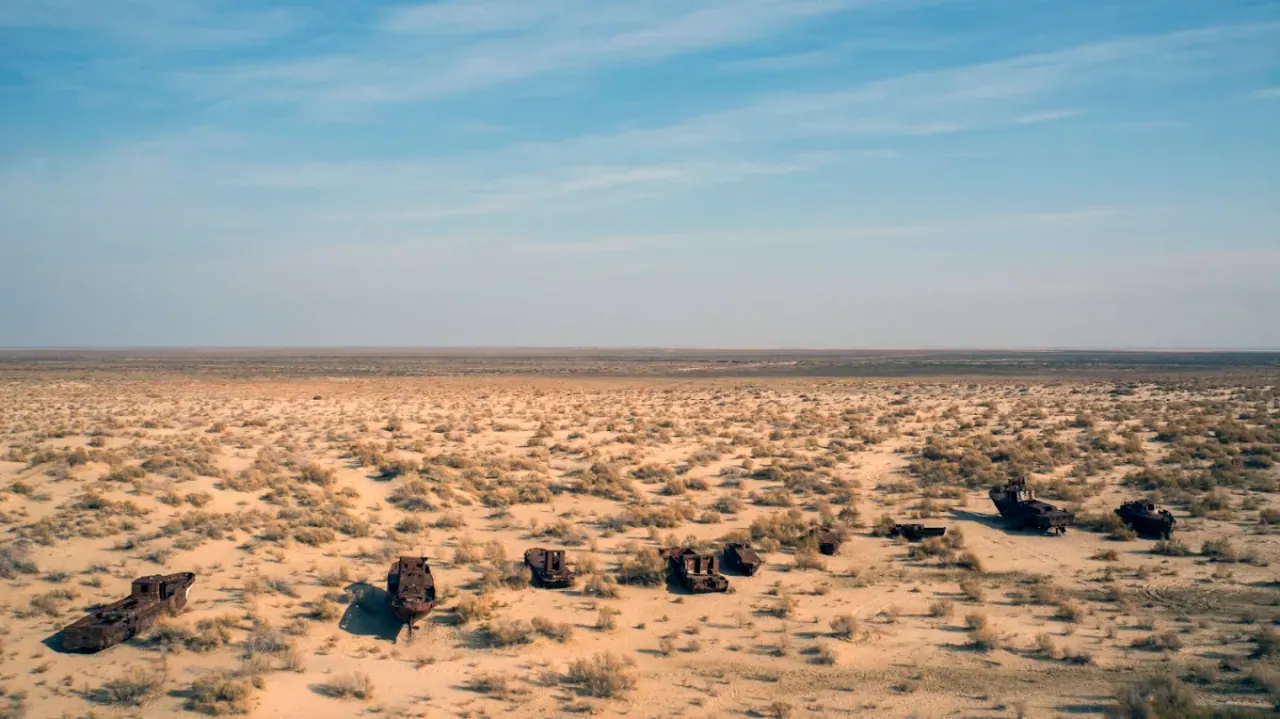
Rusting ship in the Muynak ship cemetery
11 days / 10 nights

Tashkent → Samarkand → Bukhara → Khiva → Nukus → Muynak → Aral Sea → Nukus → Tashkent

Welcome to Uzbekistan & the Aral Sea

Eleven days from Tashkent to the Aral Sea: Samarkand, Bukhara, Khiva, the Savitsky Museum in Nukus, the ship cemetery of Muynak and a night in yurts on the Aral shore.

Price on request

Frequently asked questions

How do I get to Khiva?

Khiva is about 480 km from Bukhara by road, a 7–8 hour drive across the Kyzylkum Desert, which is how our 11-day tour travels. Alternatives include trains and domestic flights to Urgench, about 30 km away.

Is one day enough for Khiva?

One full day covers the main monuments of Itchan Kala, which is compact and easy to explore on foot. Staying overnight lets you see the walls at sunset and the quiet lanes in the early morning.

Uzbekistan guide

Background reading

Architecture & Heritage

Madrasas, mosques, minarets, mausoleums, fortresses and trading domes: how to read the monuments of Uzbekistan, from Samanid brickwork to Timurid tilework.

History of Uzbekistan

From Sogdian merchants and Alexander the Great to Amir Temur, the khanates and independence in 1991: three thousand years of history in the heart of Central Asia.

Culture & Traditions

Hospitality, the mahalla and family life, traditional dress, music and dance, and the crafts of silk, ceramics, carpets and carved wood that make Uzbek culture so distinctive.

Explore another destination

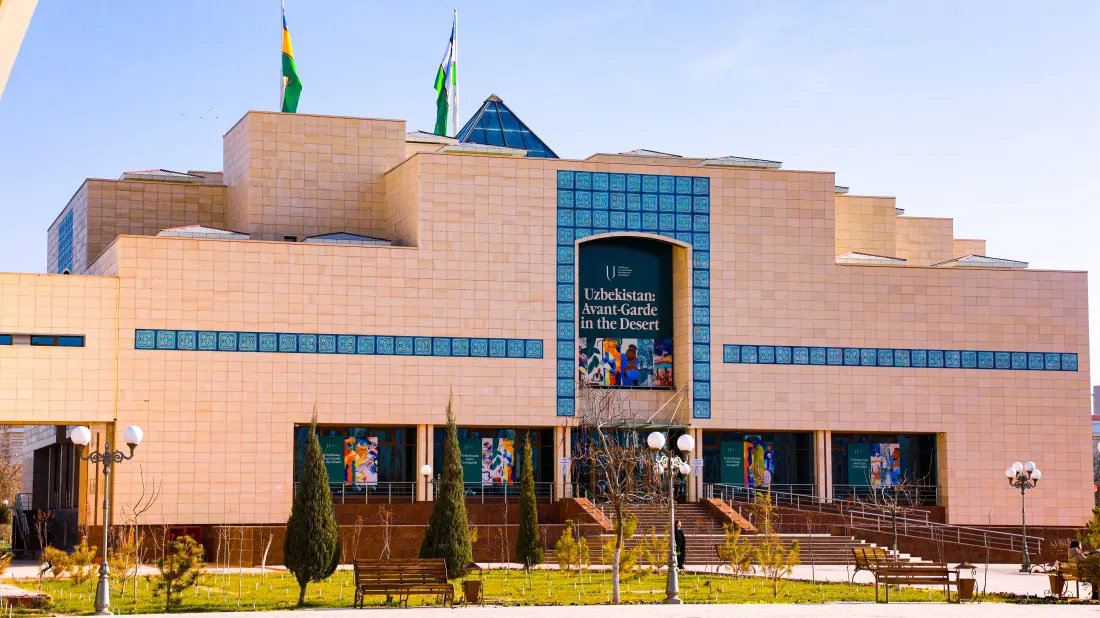
The Savitsky Museum building in Nukus

Nukus & Karakalpakstan

The capital of the Republic of Karakalpakstan, home to the celebrated Savitsky Museum, and gateway to the desert fortresses of ancient Khorezm and the Ustyurt Plateau.

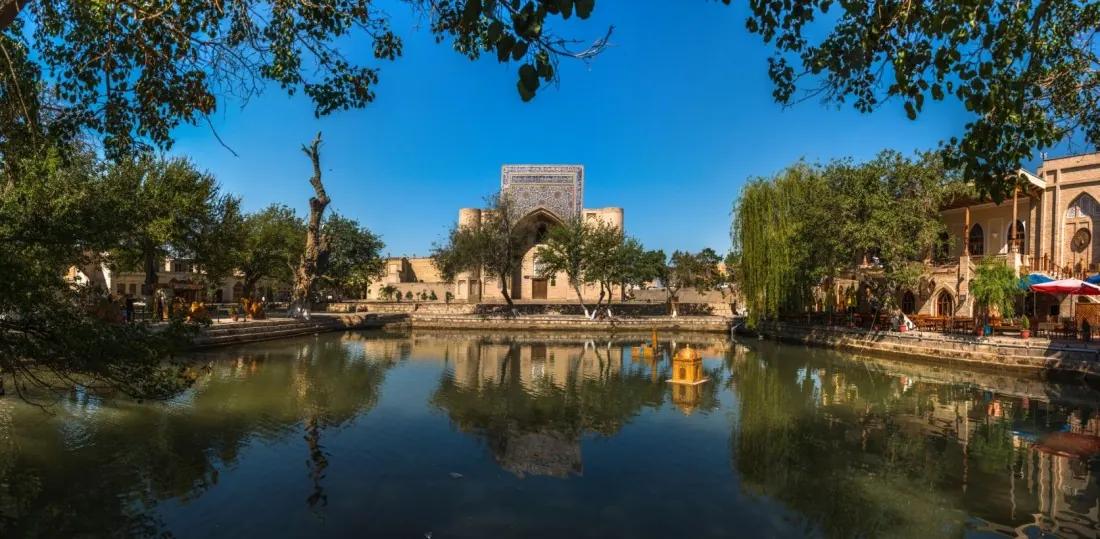
The Lyabi-Hauz pool and its madrasas, Bukhara

Bukhara

One of the oldest cities in the world: fabulous Bukhara, with more than a thousand years of monuments, from the Samanid Mausoleum to the Kalyan Minaret and the trading domes.

Former seabed of the Aral Sea near Muynak, with stranded ships

Muynak & the Aral Sea

Once a busy fishing port on the Aral Sea, Muynak now stands far from the water. Its ship cemetery tells one of the world's most striking environmental stories.

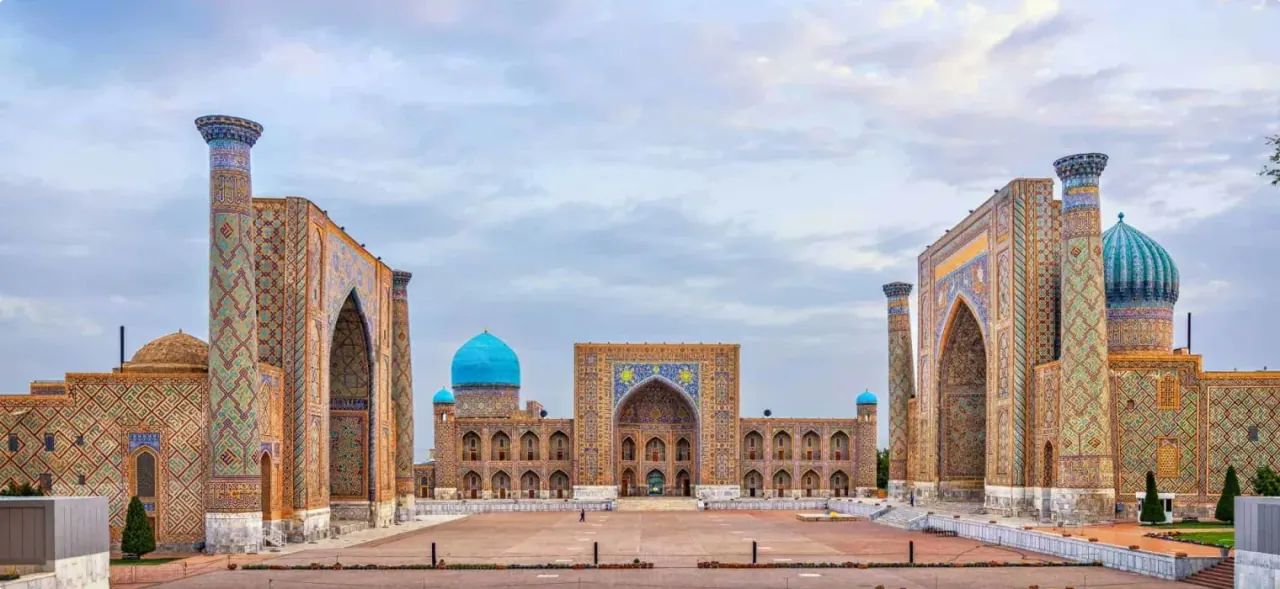
Panorama of Registan Square, Samarkand

Samarkand

One of the world's ancient cities, about 2,750 years old: the Registan, Gur-e-Amir, Shah-i-Zinda and the observatory of Ulugh Beg in the valley of the Zarafshan.

Ready to discover Uzbekistan?

Tell us how you would like to travel and we will help you plan the journey.

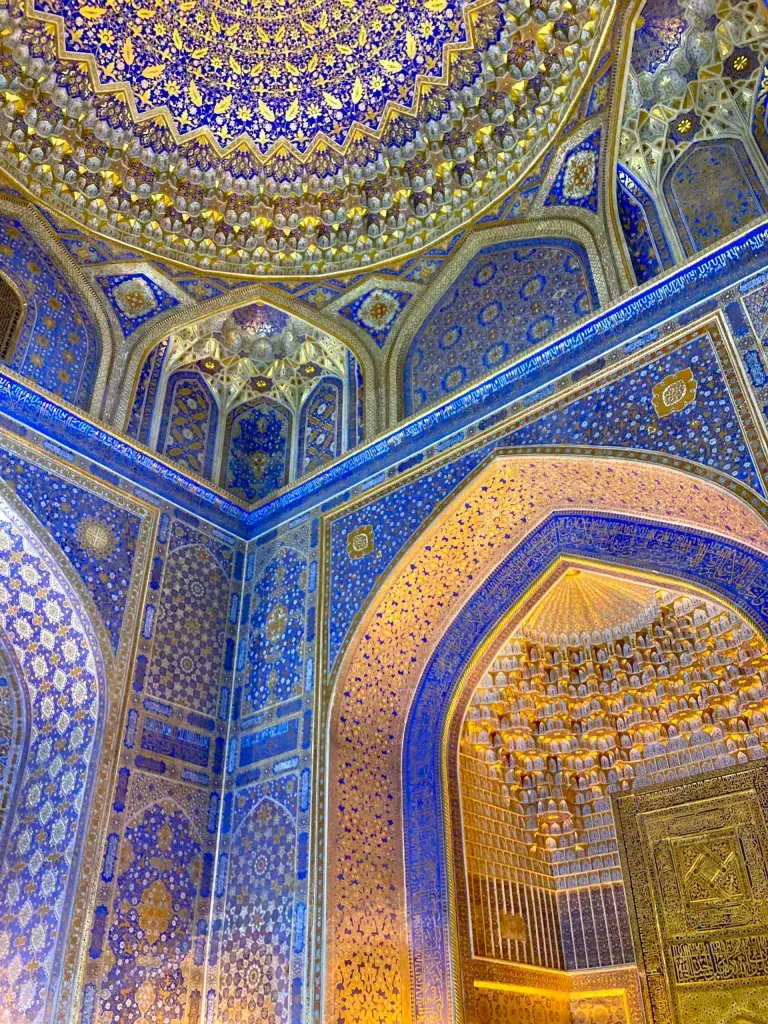
Gilded and blue interior of a madrasa mosque on the Registan, Samarkand