Plan Your Trip
Language
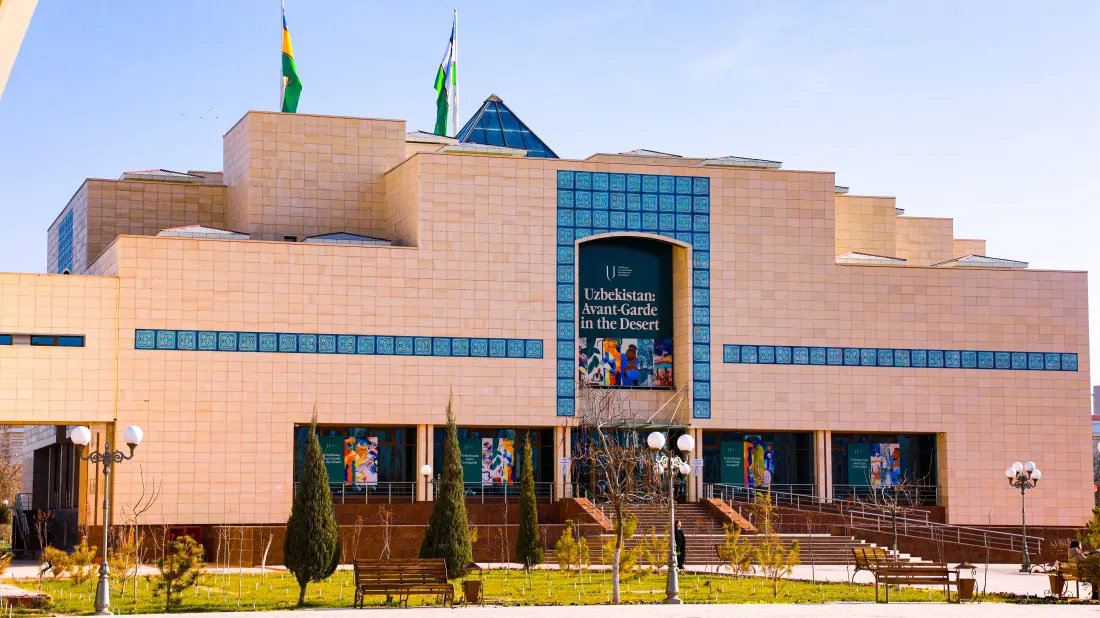
The Savitsky Museum building in Nukus

The Savitsky Museum, desert fortresses and Karakalpak culture

Nukus & Karakalpakstan

The capital of the Republic of Karakalpakstan, home to the celebrated Savitsky Museum, and gateway to the desert fortresses of ancient Khorezm and the Ustyurt Plateau.

About Nukus & Karakalpakstan

In the far west of Uzbekistan lies the Republic of Karakalpakstan, an autonomous republic that covers more than a third of the country’s territory, much of it desert. Its capital, Nukus, is a modern city on the Amu Darya. For travellers it is the gateway to one of Central Asia’s most surprising museums and to the landscapes around the Aral Sea.

The Karakalpaks

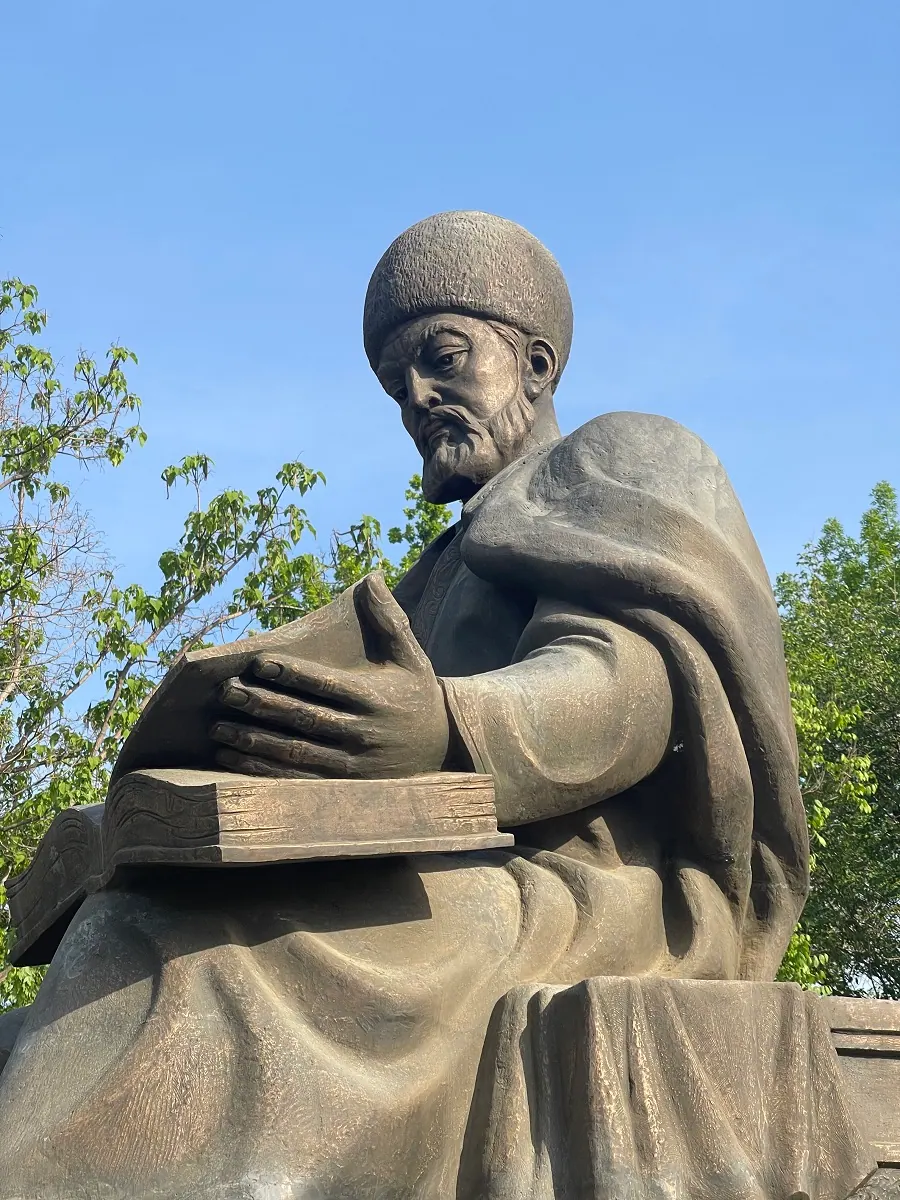
The Karakalpaks (“black hats”) are a Turkic people with their own language, closely related to Kazakh, and their own traditions. They were historically semi-nomadic herders, fishermen and farmers in the Amu Darya delta. Karakalpak culture is known for its yurts, fine embroidery and silver jewellery, and for epic poetry performed by bards (zhyrau). Berdakh, a nineteenth-century poet, is honoured as a founder of Karakalpak literature, and his monument stands in central Nukus.

The Savitsky Museum

The State Museum of Art of the Republic of Karakalpakstan, known as the Savitsky Museum, was founded in 1966 by the painter, archaeologist and collector Igor Savitsky (1915–1984). At great personal risk, Savitsky gathered thousands of works by Soviet artists of the 1920s–1930s whose styles were officially condemned, as well as works by the artists of the so-called “Turkestan avant-garde”, who painted Central Asia.

Today the museum’s collection is widely described as the second-largest collection of Russian avant-garde art in the world, after the Russian Museum in St Petersburg. It also holds archaeological finds from ancient Khorezm and an outstanding collection of Karakalpak applied art. The collection is too large to show at once, so exhibitions change regularly.

Desert fortresses of ancient Khorezm

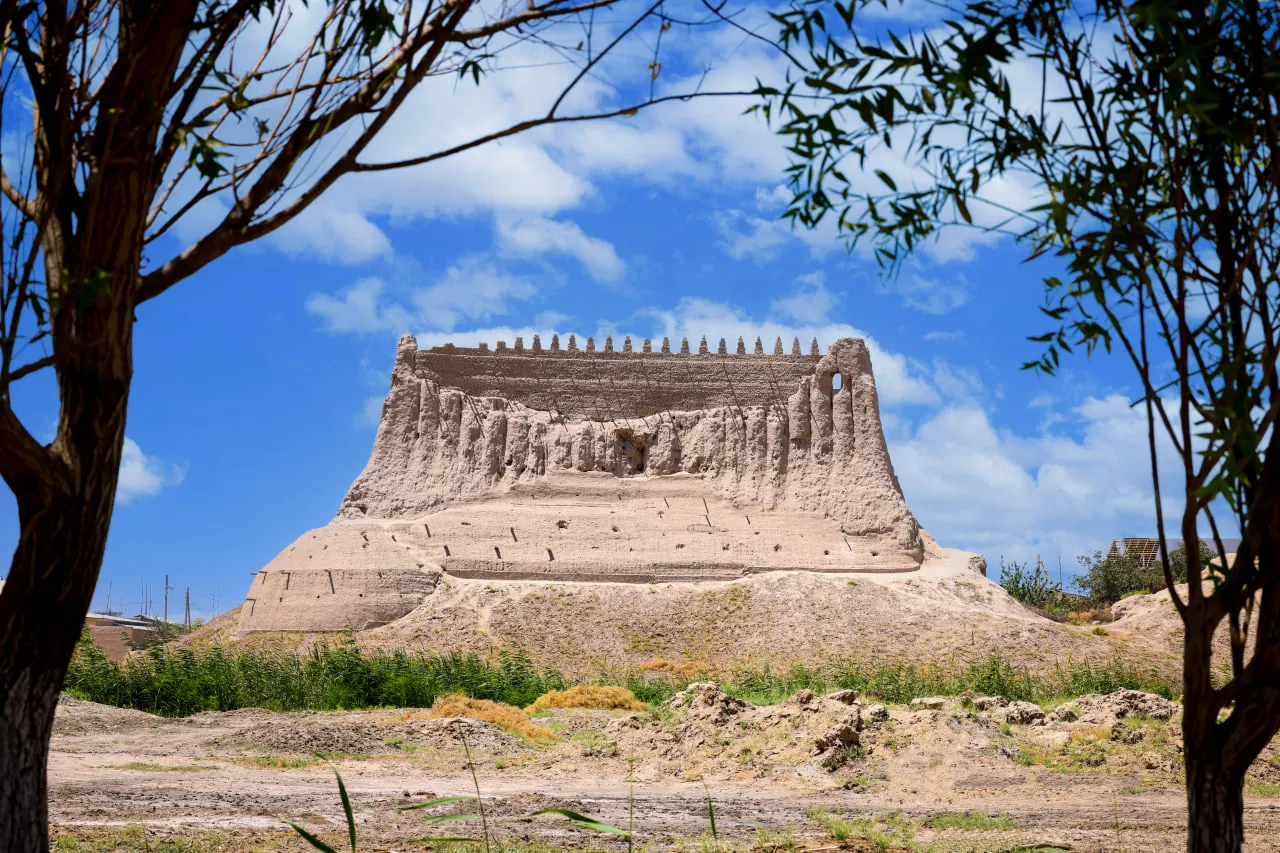
The desert east of the Amu Darya is dotted with the ruins of mud-brick fortresses (kala) from the ancient Khorezmian civilisation, some dating back more than two thousand years. Toprak-Kala, a fortified palace city of the early centuries CE, and Ayaz-Kala, a group of hilltop fortresses, are the best known. Together with other sites they are on UNESCO’s Tentative List as the Desert Castles of Ancient Khorezm.

The Ustyurt Plateau

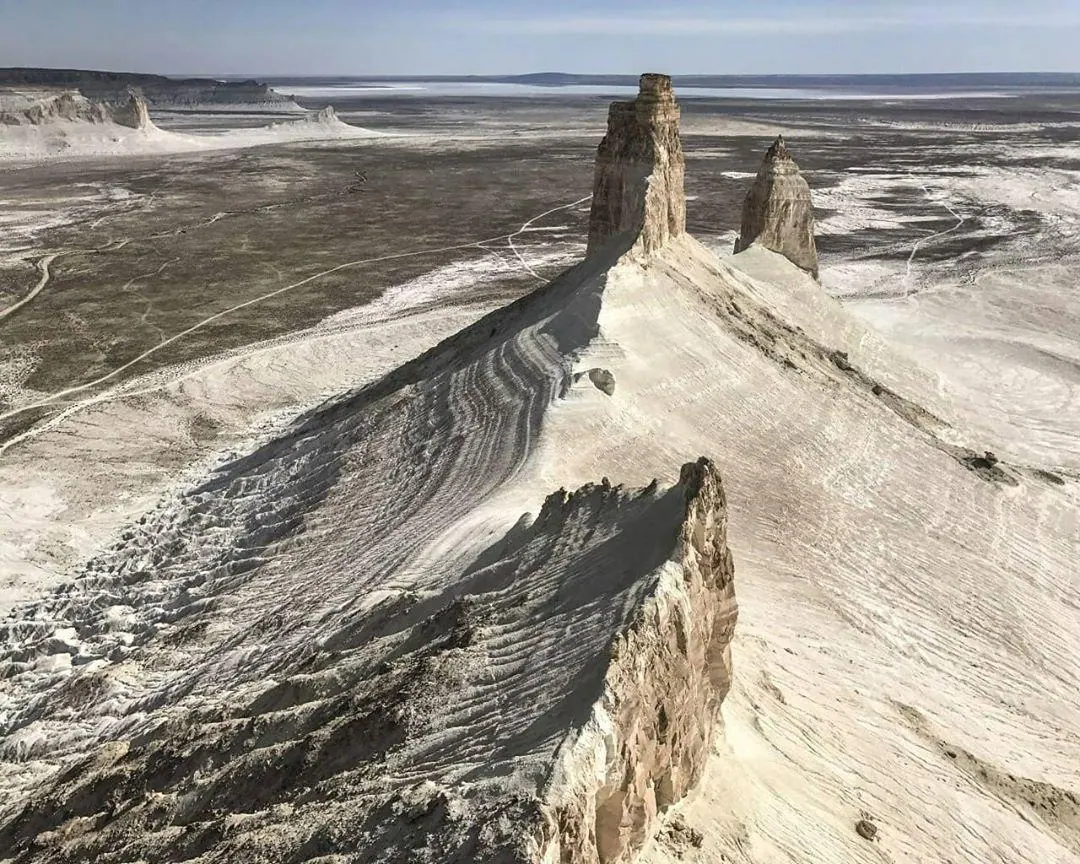
West of the Amu Darya delta, the Ustyurt Plateau stretches towards Kazakhstan and Turkmenistan: a flat, stony desert that ends in steep cliffs, known as chinks, above the former seabed of the Aral Sea. The southern part of the plateau is protected as the Southern Ustyurt National Park, part of the UNESCO World Heritage site Cold Winter Deserts of Turan (2023).

Visit Nukus with Turenta Travel

Our 11-day Welcome to Uzbekistan and the Aral Sea tour drives from Khiva to Nukus (170 km, about 3 hours), visits the Savitsky Museum and the city centre, including the monument to Berdakh, and continues to Muynak and the Aral Sea. The journey ends with a flight from Nukus back to Tashkent.
Main attractions

  • Savitsky Museum

    Savitsky Museum

    The State Museum of Art of Karakalpakstan, founded in 1966 by Igor Savitsky, with one of the world's largest collections of Russian avant-garde art.

  • Monument to Berdakh

    Monument to Berdakh

    A memorial to the nineteenth-century Karakalpak poet Berdakh in the centre of Nukus.

  • Desert fortresses of ancient Khorezm

    Desert fortresses of ancient Khorezm

    Ruined mud-brick fortresses such as Ayaz-Kala and Toprak-Kala, on UNESCO's Tentative List.

  • Ustyurt Plateau

    Ustyurt Plateau

    A vast stone desert ending in dramatic cliffs above the former bed of the Aral Sea.

Tours featuring this destination

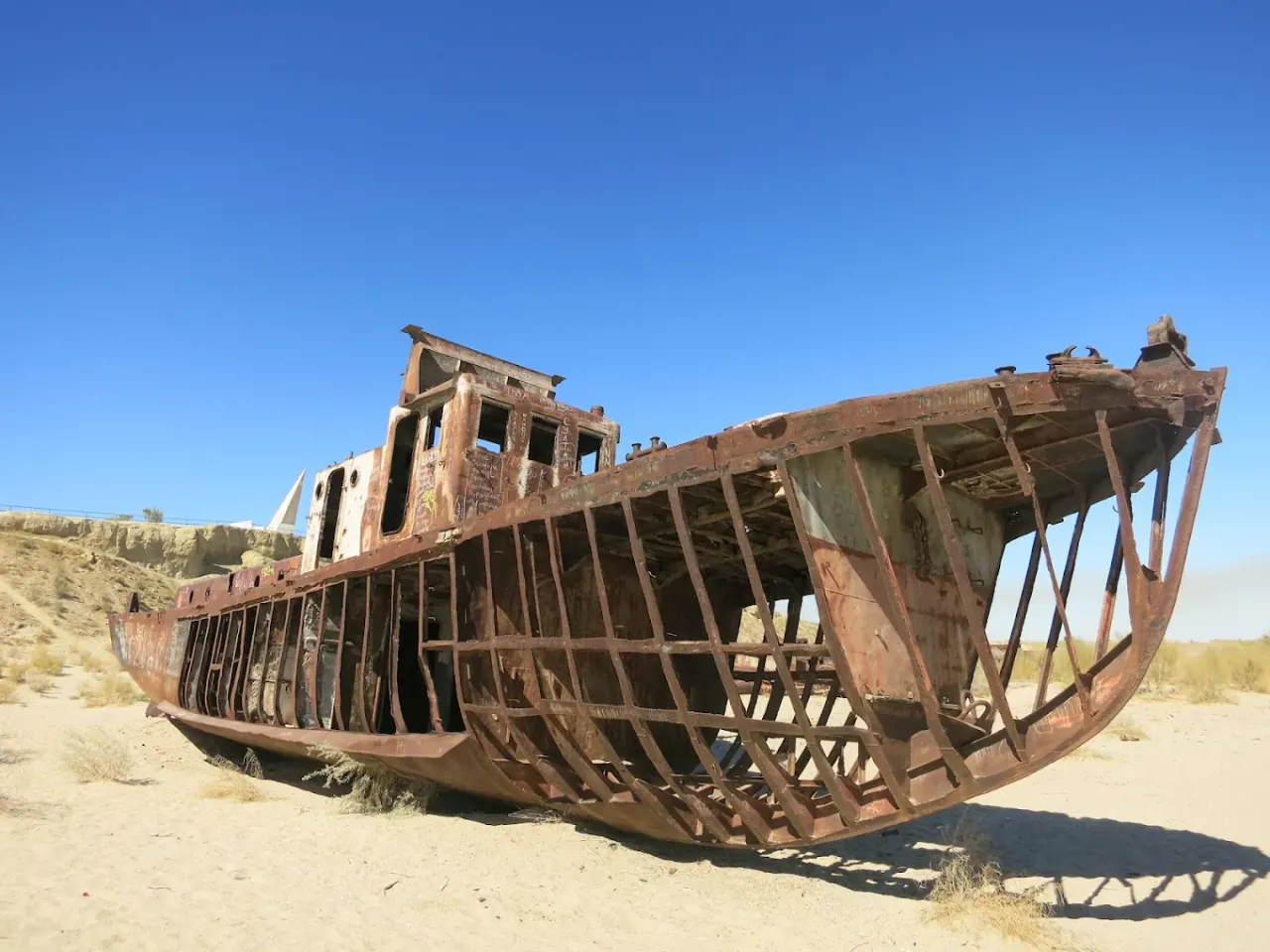
Rusting ship in the Muynak ship cemetery
11 days / 10 nights

Tashkent → Samarkand → Bukhara → Khiva → Nukus → Muynak → Aral Sea → Nukus → Tashkent

Welcome to Uzbekistan & the Aral Sea

Eleven days from Tashkent to the Aral Sea: Samarkand, Bukhara, Khiva, the Savitsky Museum in Nukus, the ship cemetery of Muynak and a night in yurts on the Aral shore.

Price on request

Frequently asked questions

Why is the Savitsky Museum famous?

Founded in 1966 by the artist and collector Igor Savitsky, the museum preserves a large collection of Soviet-era avant-garde art, much of it once banned, alongside archaeology and Karakalpak applied art. It is widely described as holding the second-largest collection of Russian avant-garde art in the world.

Can I visit the desert fortresses?

The fortresses of ancient Khorezm, such as Ayaz-Kala and Toprak-Kala, lie in the desert between Khiva and Nukus. They are not part of our current published itineraries; contact us if you would like to discuss them.

Uzbekistan guide

Background reading

Culture & Traditions

Hospitality, the mahalla and family life, traditional dress, music and dance, and the crafts of silk, ceramics, carpets and carved wood that make Uzbek culture so distinctive.

History of Uzbekistan

From Sogdian merchants and Alexander the Great to Amir Temur, the khanates and independence in 1991: three thousand years of history in the heart of Central Asia.

Geography & Nature

The Tian Shan and Pamir-Alay mountains, the Kyzylkum Desert, the Amu Darya and Syr Darya, the Aral Sea, reservoirs and nature reserves: Uzbekistan's landscapes explained.

Explore another destination

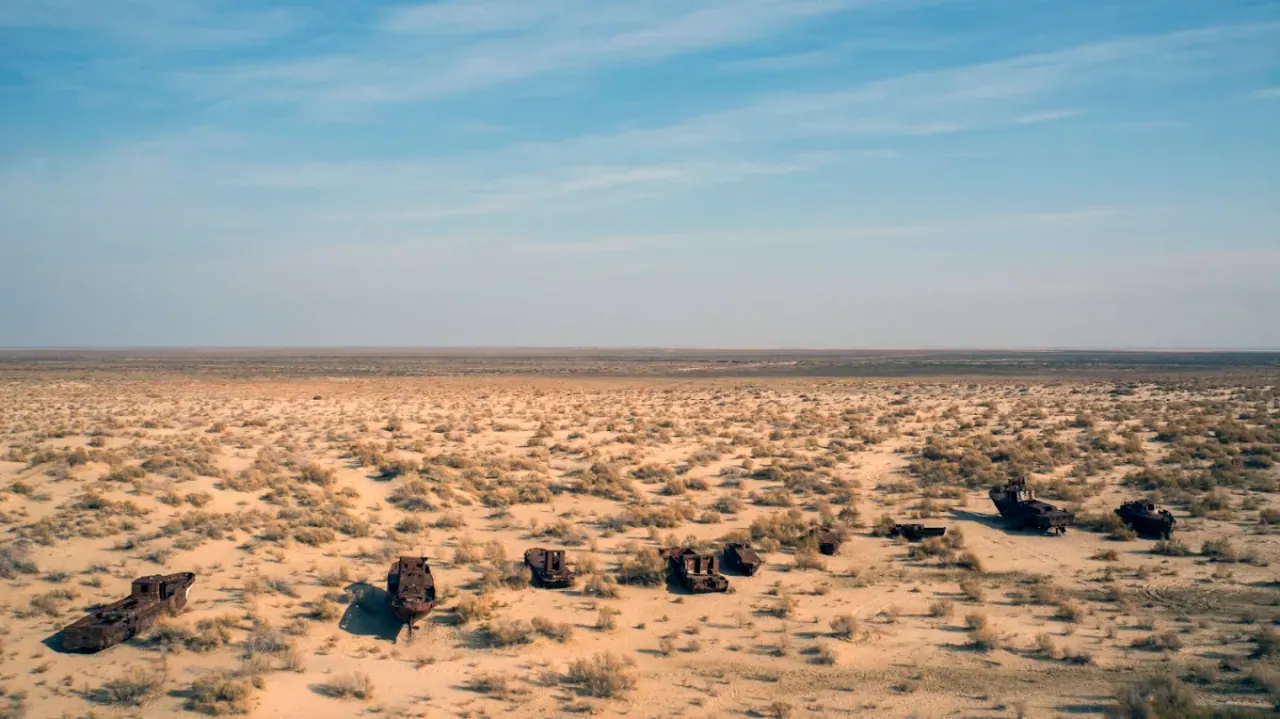
Former seabed of the Aral Sea near Muynak, with stranded ships

Muynak & the Aral Sea

Once a busy fishing port on the Aral Sea, Muynak now stands far from the water. Its ship cemetery tells one of the world's most striking environmental stories.

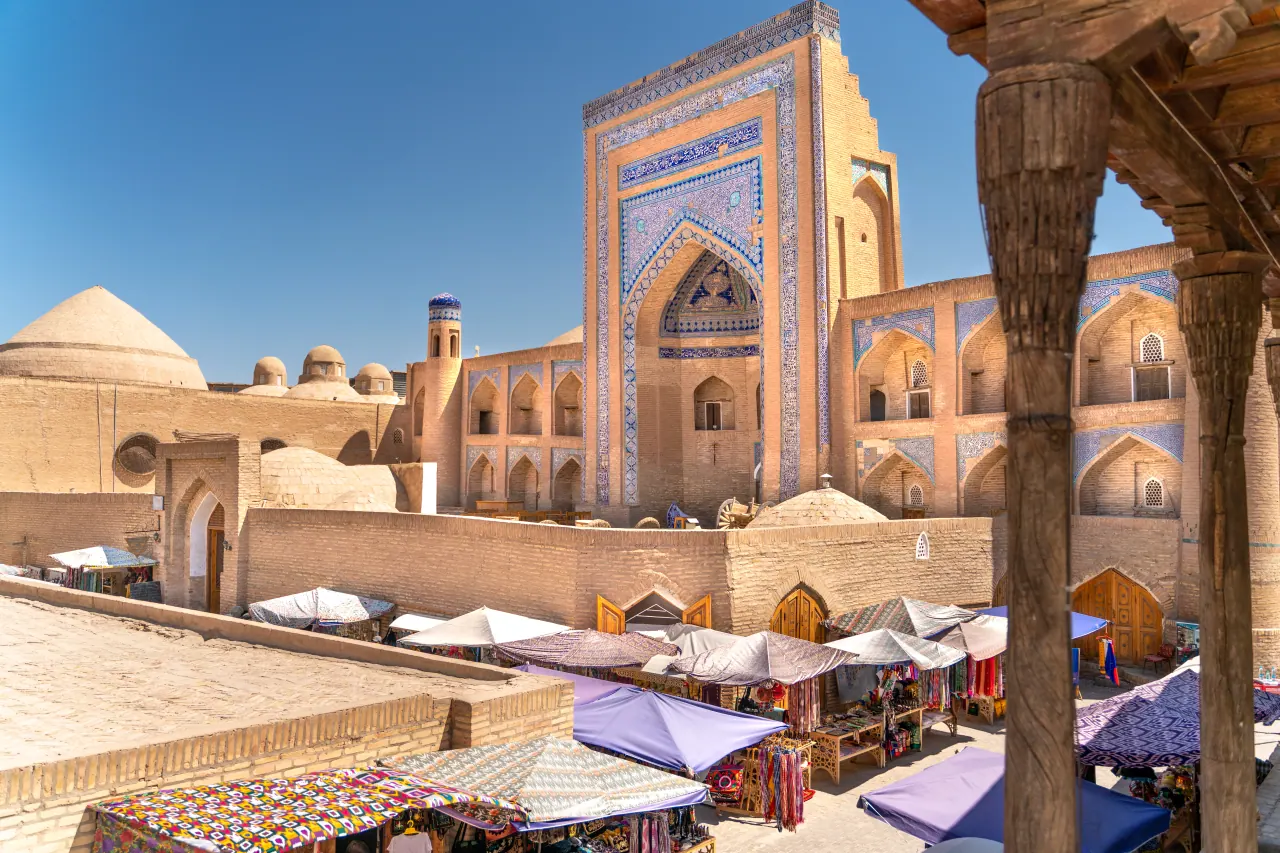
Madrasa portal and market stalls in the old town of Khiva

Khiva

A city of ancient Khorezm on the lower Amu Darya, whose walled inner town, Itchan Kala, became Uzbekistan's first UNESCO World Heritage site in 1990.

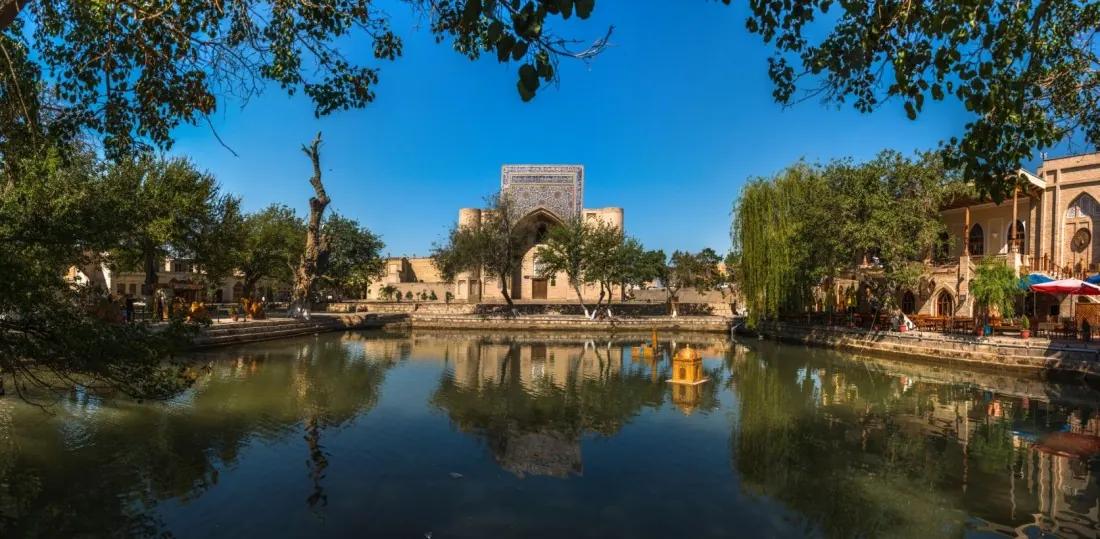
The Lyabi-Hauz pool and its madrasas, Bukhara

Bukhara

One of the oldest cities in the world: fabulous Bukhara, with more than a thousand years of monuments, from the Samanid Mausoleum to the Kalyan Minaret and the trading domes.

Ready to discover Uzbekistan?

Tell us how you would like to travel and we will help you plan the journey.

Gilded and blue interior of a madrasa mosque on the Registan, Samarkand