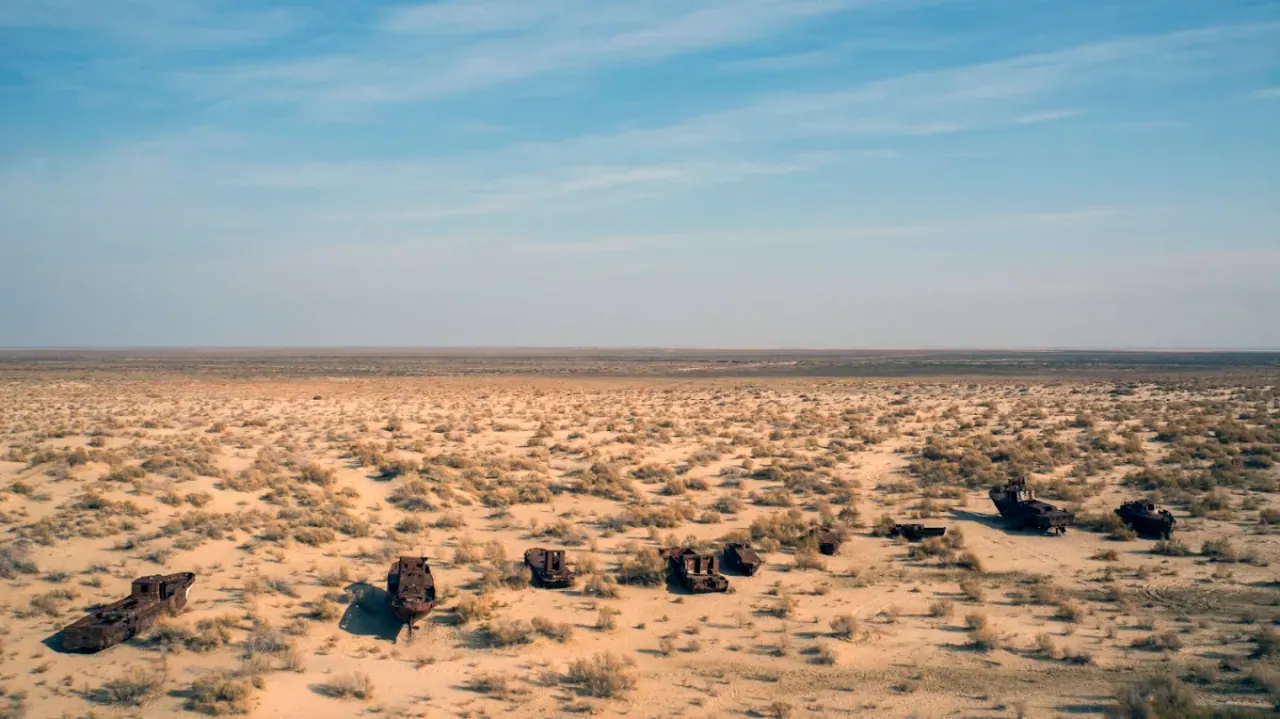
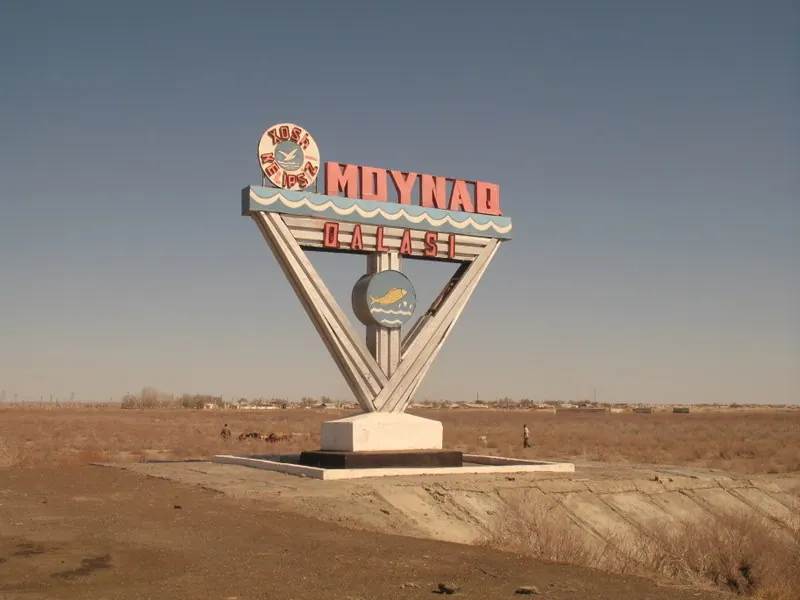
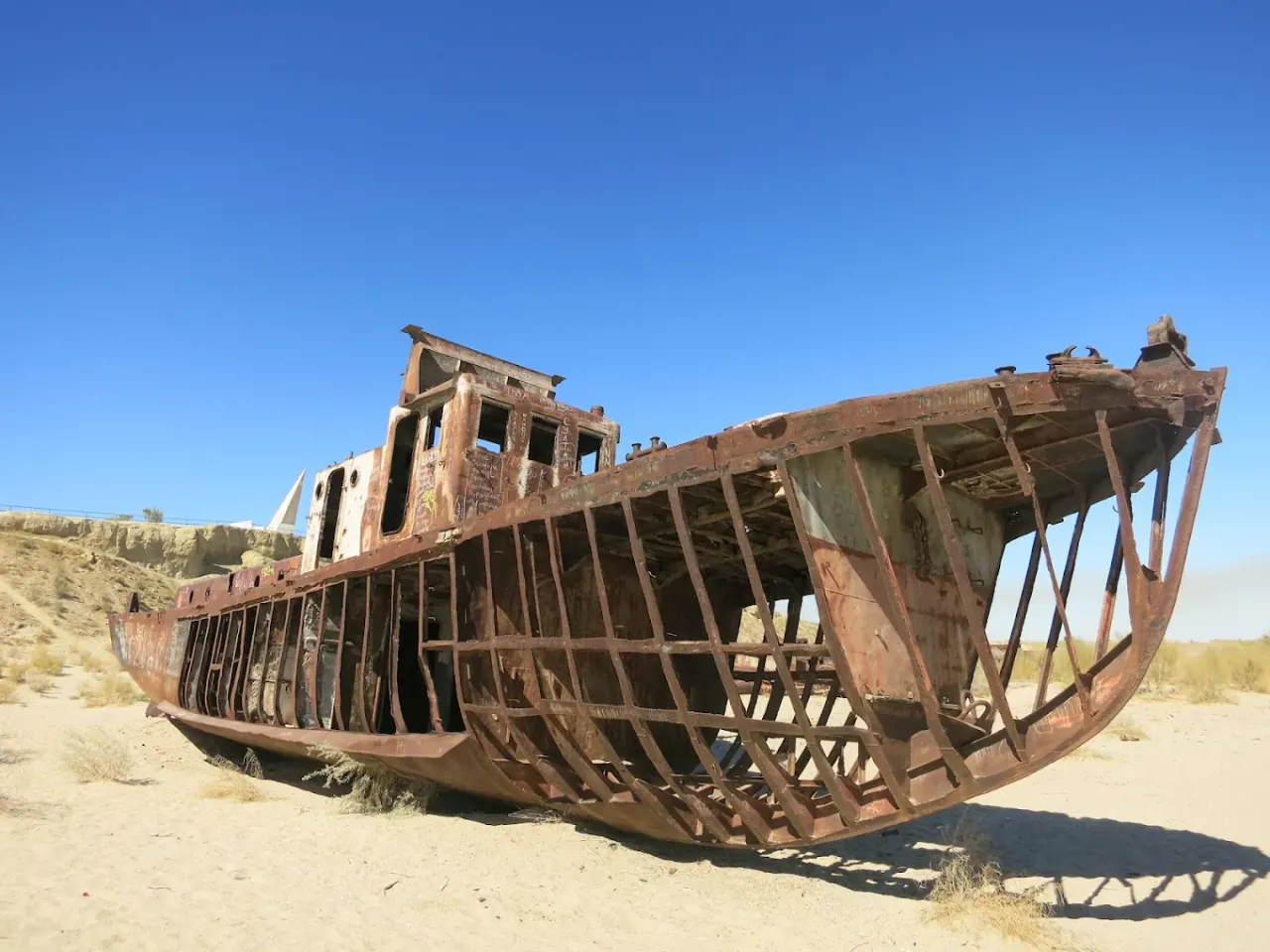
Until the 1960s, Muynak was a thriving port on the southern shore of the Aral Sea. Its fishing fleet and fish cannery sent their products across the Soviet Union. Today the town stands far from the water, and rusting ships lie on the sand where the sea used to be. A visit is a moving and thought-provoking experience, and one of the most memorable parts of a journey through Karakalpakstan.
The sea that disappeared
The Aral Sea was once one of the four largest lakes in the world, fed by the Amu Darya and Syr Darya rivers. From the 1960s, vast Soviet irrigation schemes diverted their water to grow cotton and other crops across Central Asia. With much less water reaching it, the sea began to shrink rapidly.
By the late 1980s the Aral had split into a northern part (mostly in Kazakhstan) and a larger southern part (mostly in Uzbekistan). The southern sea continued to retreat and divide, and its eastern basin had dried up almost entirely by the mid-2010s. The exposed seabed became a new desert, the Aralkum.
Consequences for people and nature
The retreat of the sea destroyed the region’s fishing industry and many local livelihoods. Salt and dust blown from the dry seabed, the loss of wetlands and changes in the local climate affected agriculture, health and wildlife across the lower Amu Darya. The Aral Sea crisis is widely regarded as one of the world’s most serious human-made environmental disasters.
The situation today
The story is not simple, and it is still evolving:
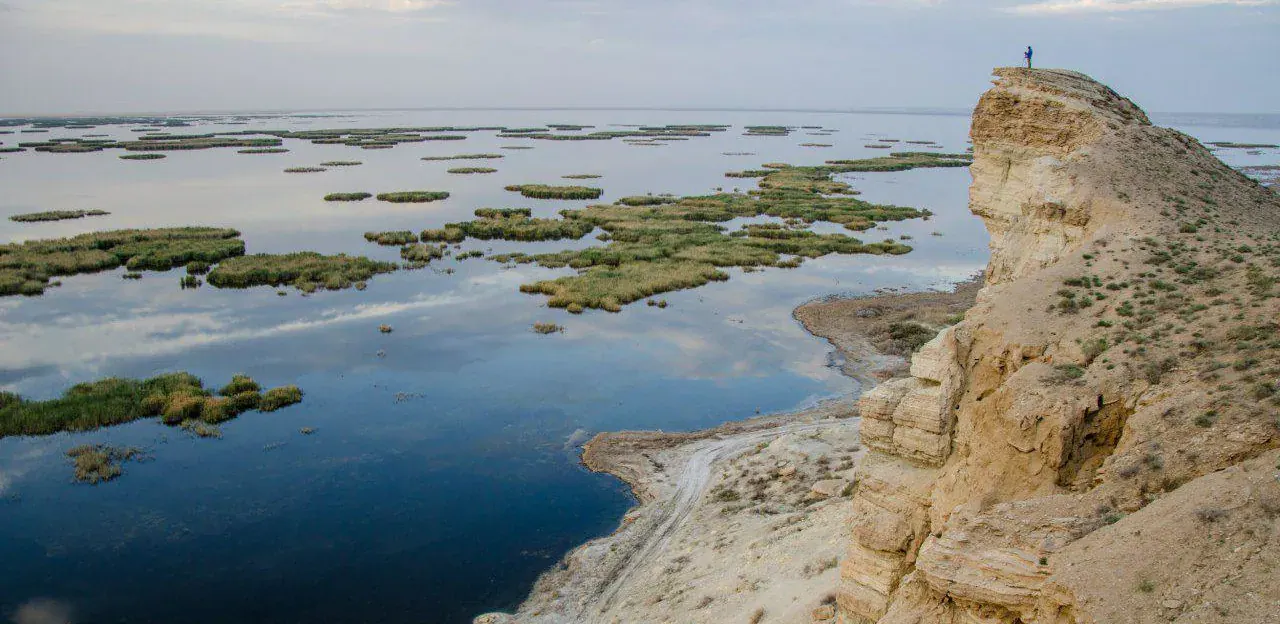
- In Kazakhstan, the Kokaral Dam, completed in 2005, has raised the water level of the small North Aral Sea, and fishing has partly returned there.
- The South Aral Sea, in Uzbekistan, has not recovered. Efforts focus on reducing dust and salt storms by planting drought-resistant vegetation, such as saxaul, on the former seabed, and on supporting local communities.
The sea has not returned to its former size, and a return of the southern basin to its historic extent is not expected in the foreseeable future.
Muynak and the ship cemetery
On the edge of Muynak, a line of old fishing boats now rests on the sand below the former shoreline, a powerful symbol of the disaster. The town has also invested in new public spaces and cultural events in recent years, and the visit offers an opportunity to learn how local people have adapted.
Travelling to the Aral Sea
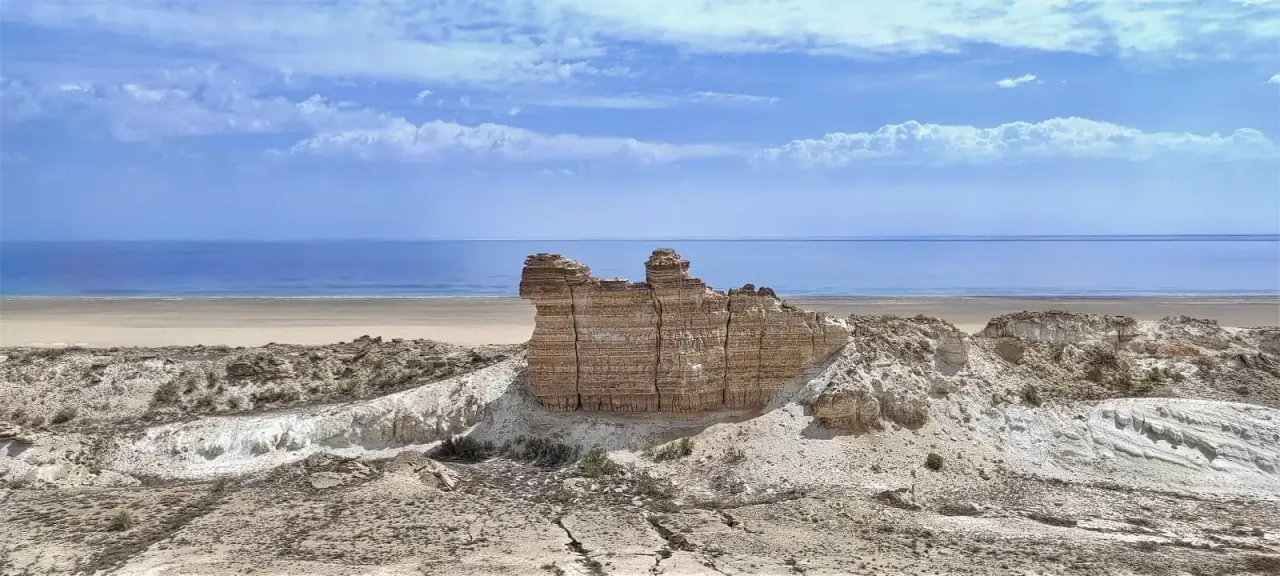
Reaching today’s shoreline involves a long drive across the former seabed and the edge of the Ustyurt Plateau. Travellers usually stay overnight in yurt camps, with dinner under a vast desert sky. The journey is best in late spring and early autumn; summers are extremely hot and winters very cold. See best time to visit.
Visit with Turenta Travel
Our 11-day Welcome to Uzbekistan and the Aral Sea tour travels from Nukus to Muynak (200 km, about 3 hours) to see the ship cemetery, then continues to the Aral Sea (180 km, about 3.5 hours) for a night in yurts before returning to Nukus.