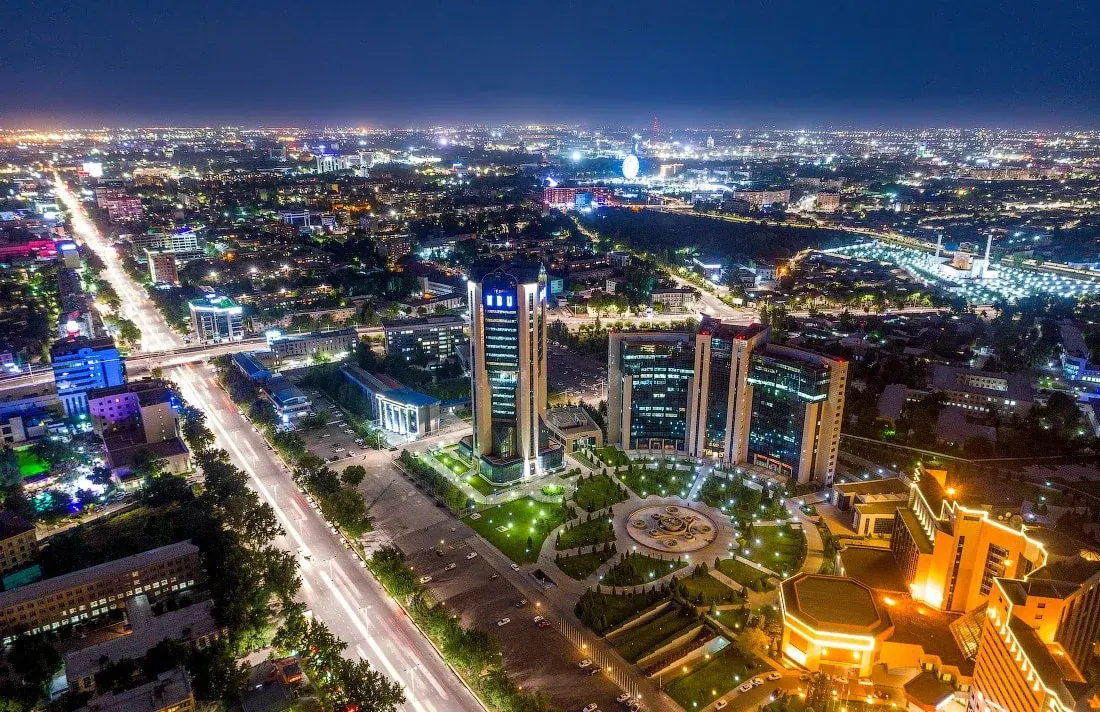
The capital of Uzbekistan, Tashkent, has existed for more than 2,200 years. Over this time it has grown from an ancient settlement into the largest city in Central Asia, and it has witnessed many memorable events and trials, rises and declines. Most journeys through Uzbekistan begin here, and the city deserves more than a quick stopover.
A brief history
Known in early sources as Chach or Shash, the oasis on the Chirchiq River grew rich from trade between the settled lands of Transoxiana and the nomadic steppe. Its modern name, Tashkent, means “stone city” in Turkic. The city was taken by the Russian Empire in 1865 and became the administrative centre of Russian Turkestan, gaining a new European-style district beside the old town. In 1930 it replaced Samarkand as the capital of the Uzbek Soviet Socialist Republic.
On 26 April 1966, a powerful earthquake destroyed much of the centre. Tashkent was rebuilt as a model Soviet city, with broad avenues, parks and bold modernist buildings. In 2026, a group of these buildings was inscribed on the UNESCO World Heritage List as Tashkent Modernist Architecture: Modernity and Tradition in Central Asia.
The old city
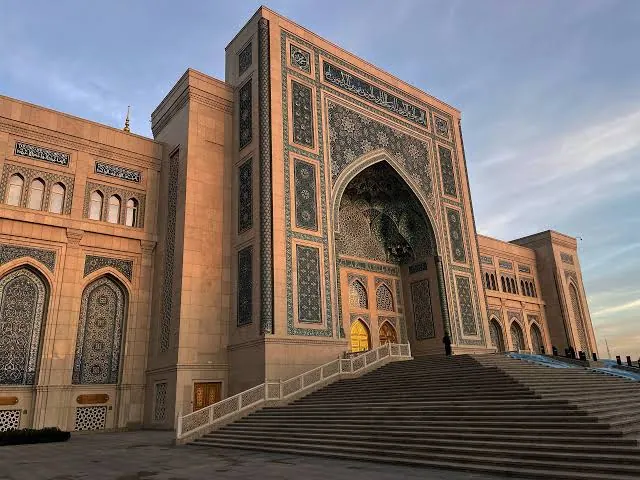
Tashkent’s old town lies west of the modern centre. Its heart is the Hazrati Imam (Hast Imam) complex, built around the tomb of the tenth-century scholar Abu Bakr Kaffal Shashi. The complex includes Friday mosques, the Barak Khan Madrasa and the Muyi Muborak library, which displays an early Quran manuscript traditionally associated with the third caliph, Uthman. Scholars debate this attribution, but the manuscript is among the most important in the region.
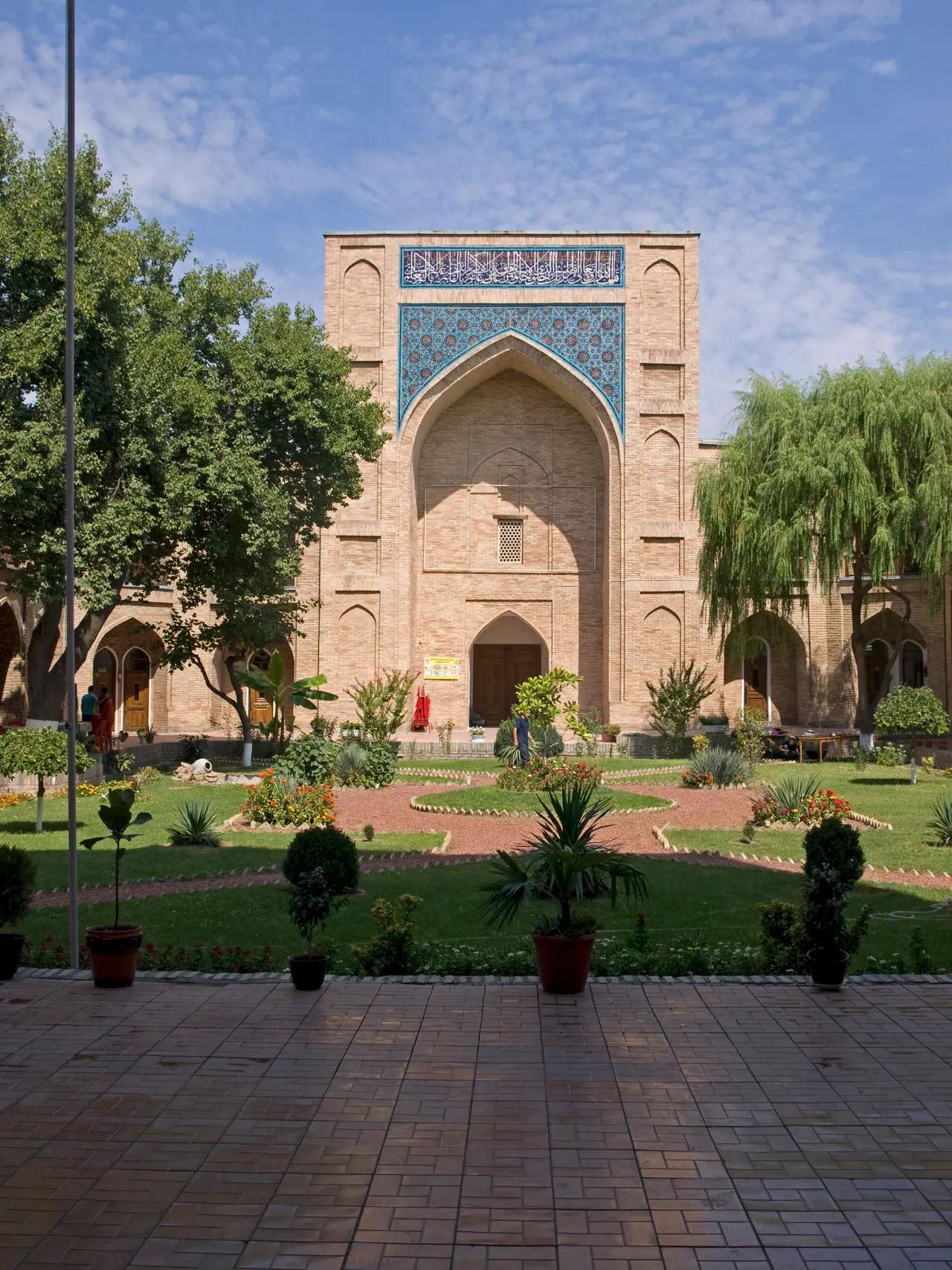
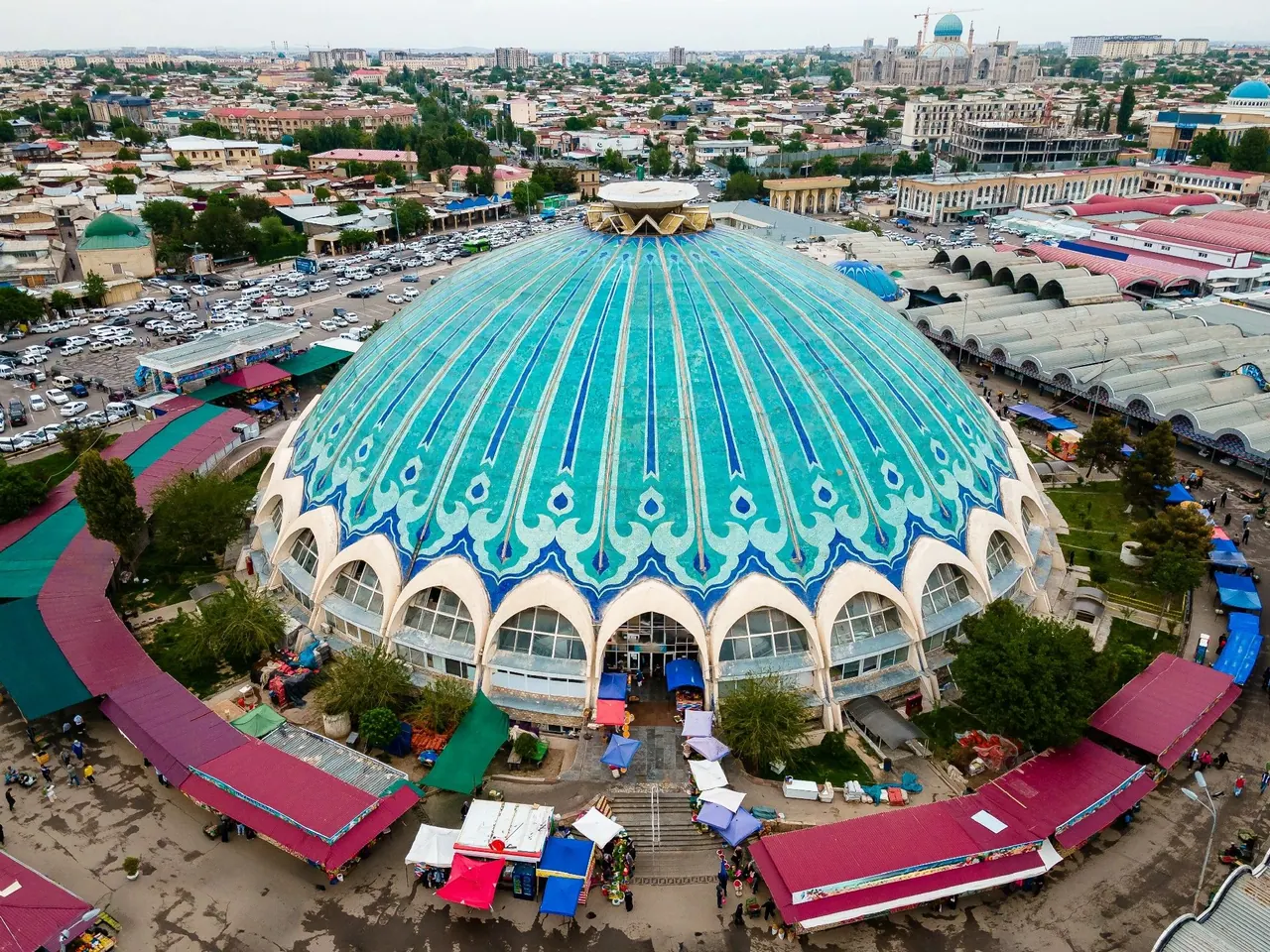
Nearby, the sixteenth-century Kukeldash Madrasa overlooks Chorsu Bazaar, whose great blue dome shelters stalls of spices, dried fruit, nuts and dairy. Around it, bakers sell fresh non bread and stalls serve samsa straight from the tandir.
The modern centre
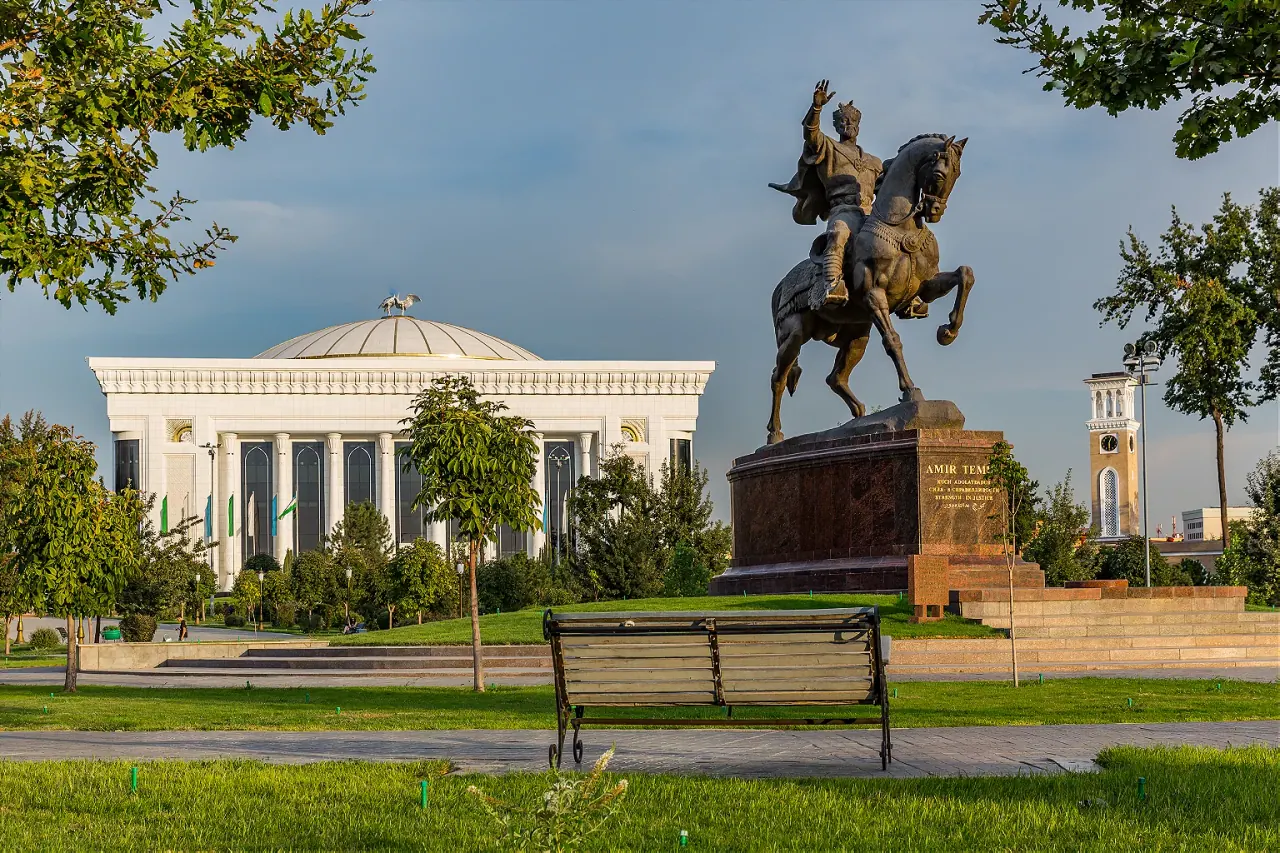
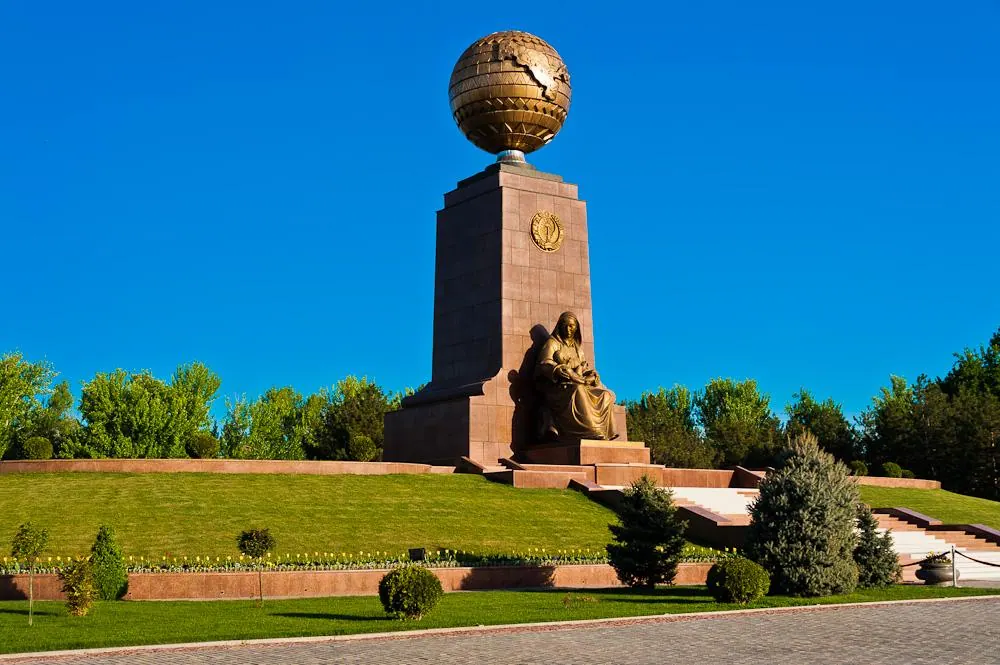
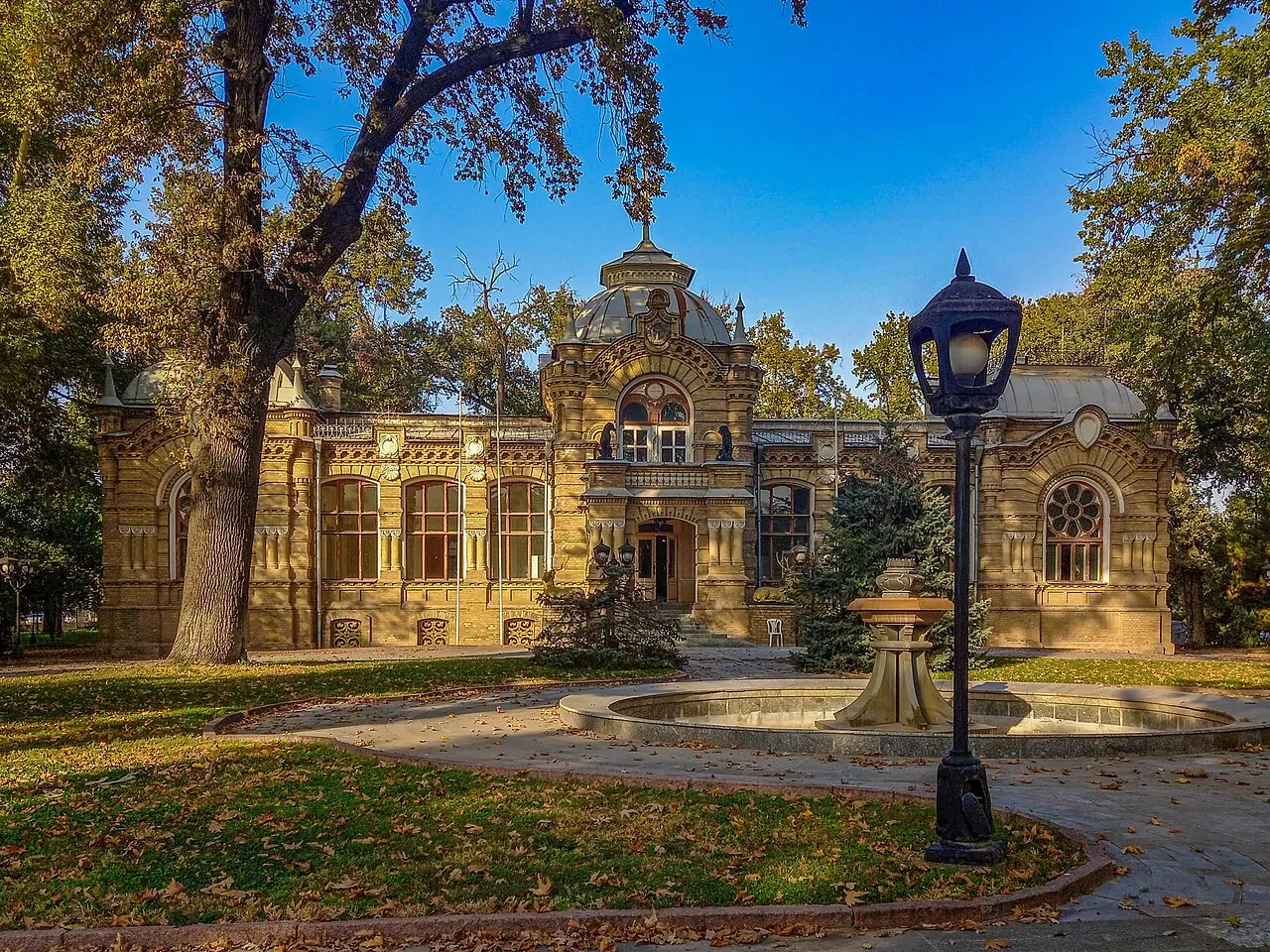
The tree-lined Amir Temur Square, with its equestrian statue of the conqueror, marks the centre of the modern city. A short walk leads to the pedestrian street known as Broadway (Sayilgoh Street), the Tashkent Chimes clock tower and Independence Square, the country’s main ceremonial square. The ornate former residence of Prince Romanov, built for a member of the imperial family exiled to Tashkent, is a reminder of the Russian period.
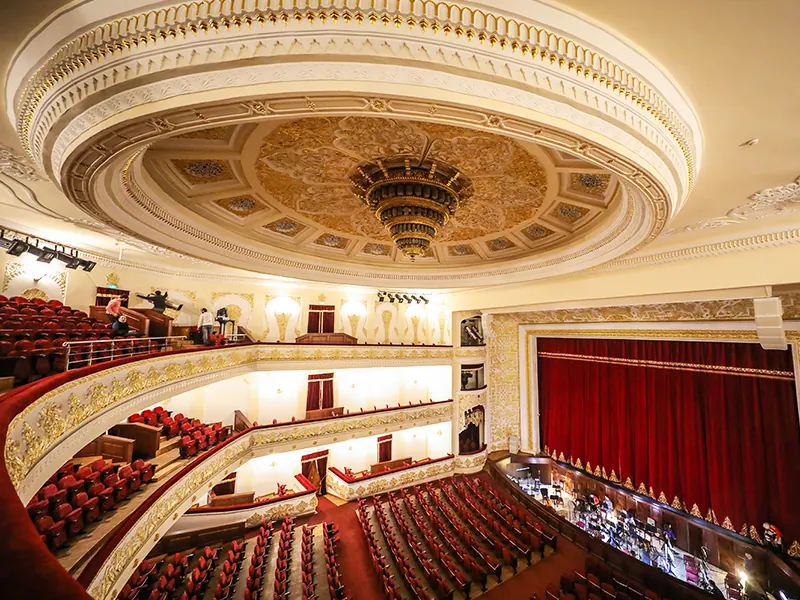
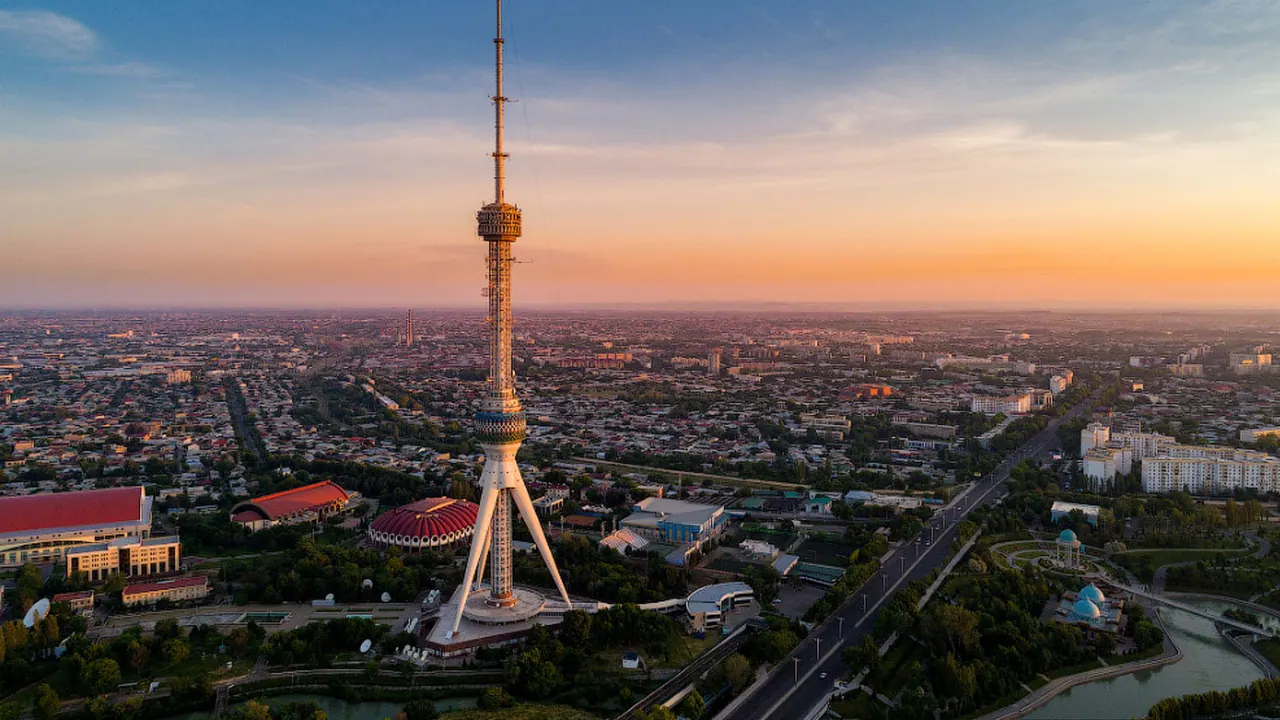
The Alisher Navoi Theatre, opened in 1947, hosts opera and ballet in halls decorated in the styles of different regions of Uzbekistan. The TV Tower rises above the north of the city.
The Tashkent Metro
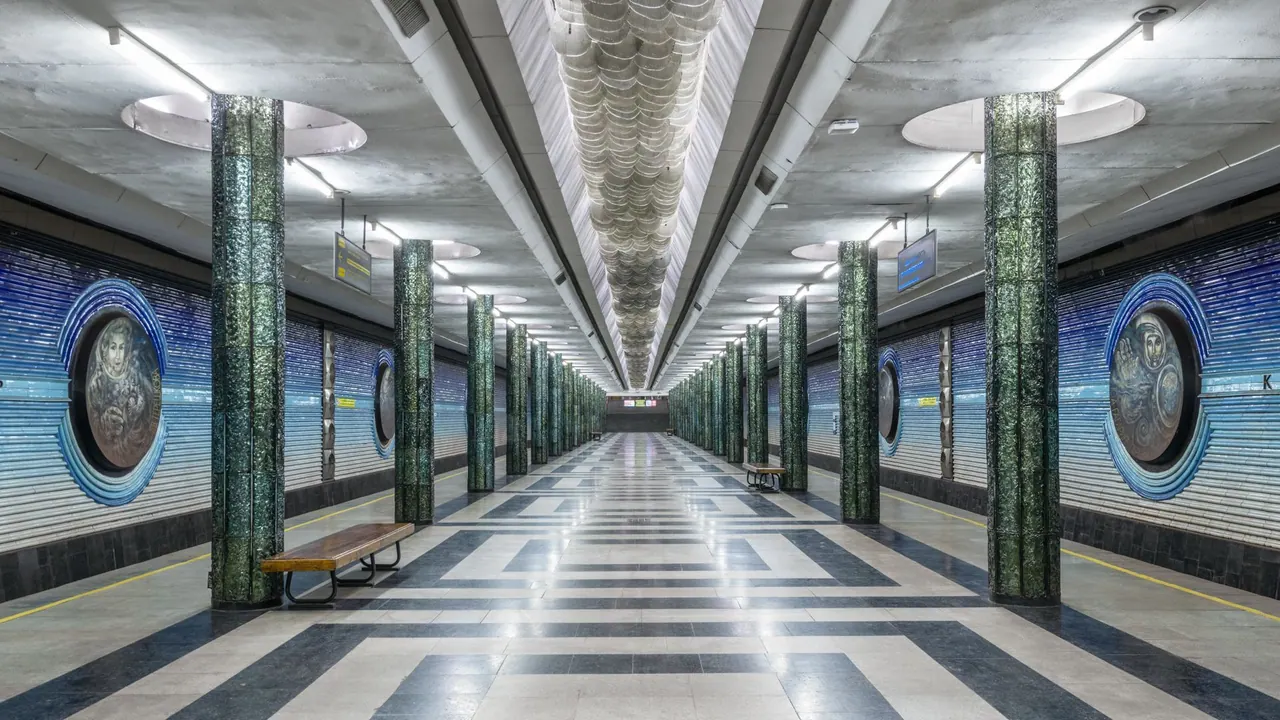
Opened in 1977, the Tashkent Metro was the first in Central Asia. Many stations are works of art, with chandeliers, marble, ceramics and themes ranging from cotton to cosmonauts. It is cheap, efficient and well worth a ride; photography is now permitted.
Museums
Tashkent has the country’s richest museums. Highlights include the State Museum of History of Uzbekistan, the Museum of Applied Arts, housed in a decorated nineteenth-century mansion, the Amir Temur Museum and the State Museum of Arts. Opening hours change, so check before visiting.
Food and markets
Tashkent is a great place to eat. Look out for the city’s large plov centres, which cook enormous cauldrons of plov at lunchtime, the bakeries around Chorsu, and the many teahouses and modern restaurants of the centre. Read our guide to Uzbek cuisine.
Explore Tashkent with Turenta Travel
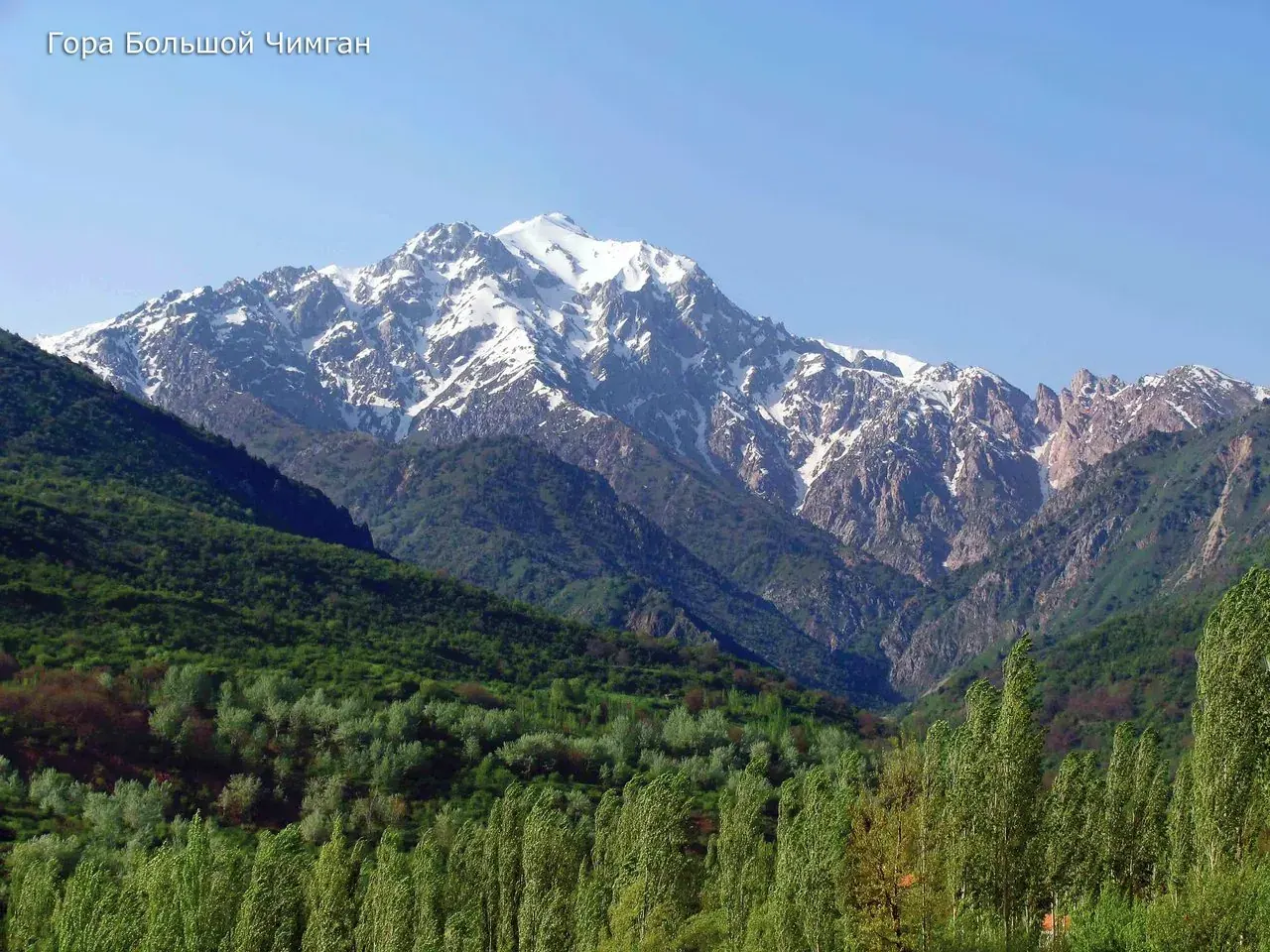
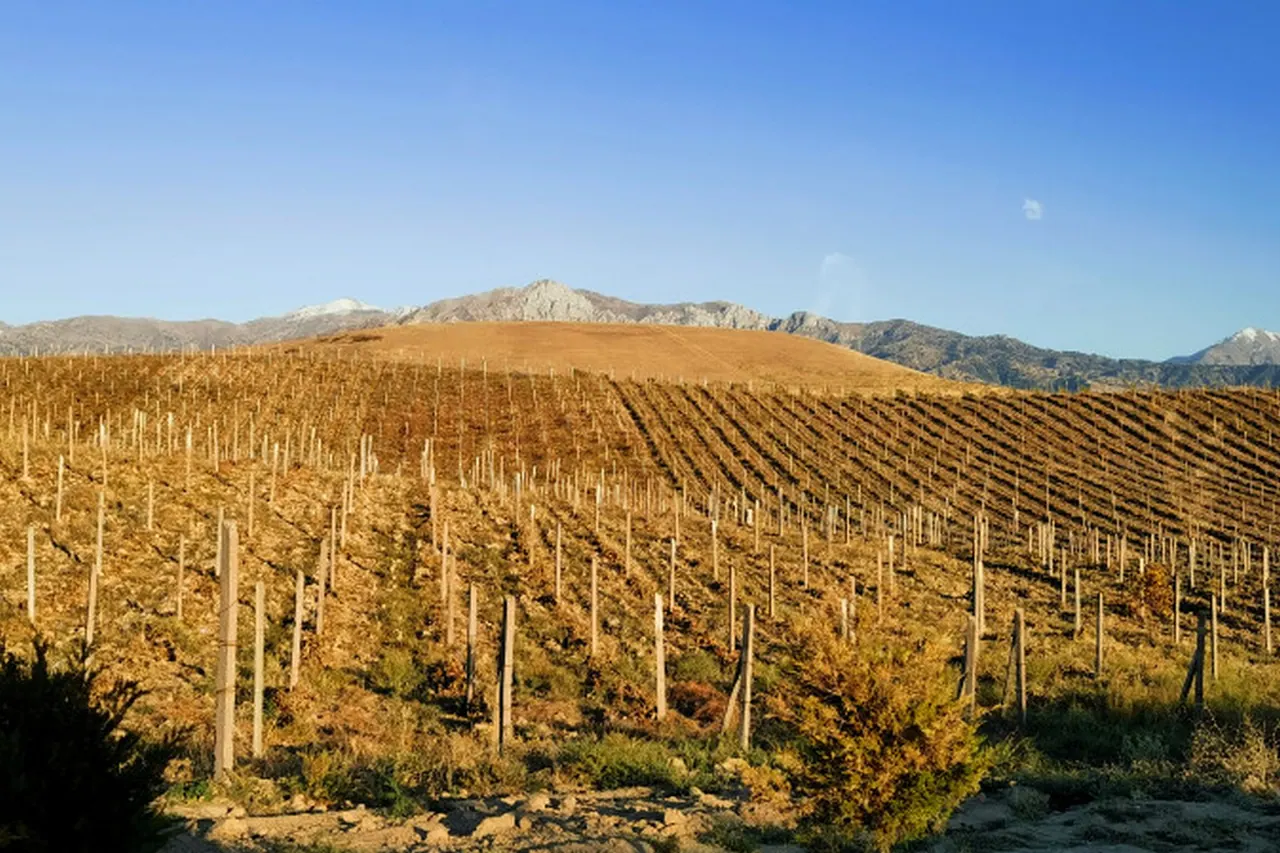
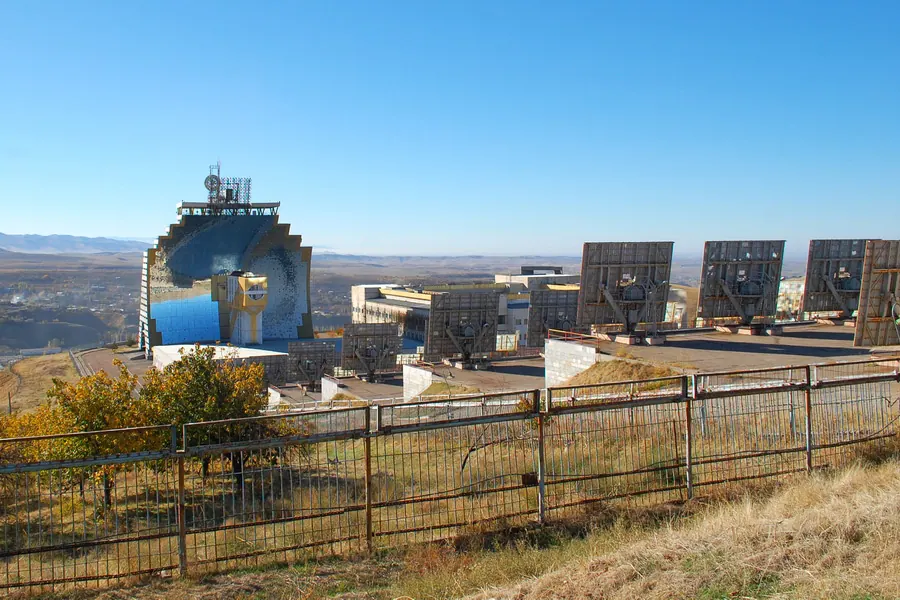
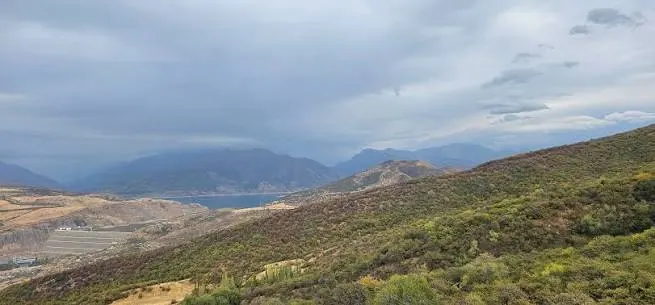
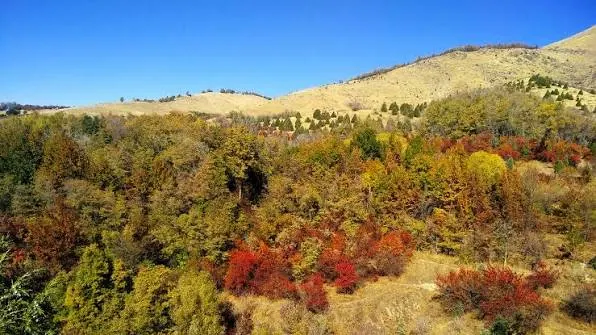
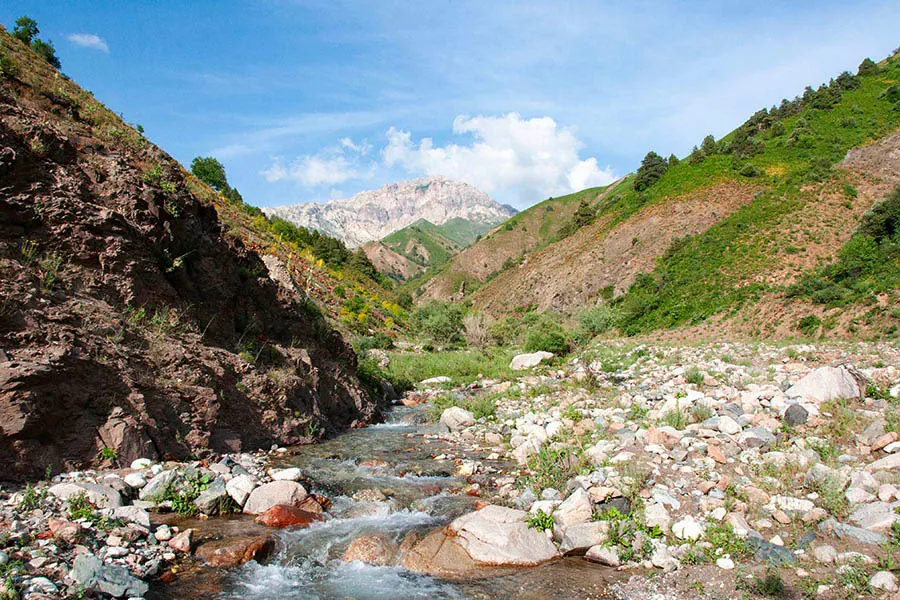
Our Tashkent City Tour covers the old city and the new: Hazrati Imam, Kukeldash Madrasa, Chorsu Bazaar, Independence and Amir Temur squares, the Navoi Theatre, the metro and the TV Tower. Tashkent is also the starting point for day trips into the Tashkent Region, including the Great Solar Furnace at Parkent, the Khamkor winery in Namdanak and the Chimgan mountains.