Food is at the heart of Uzbek hospitality. Meals are generous, shared and unhurried, built around bread, tea and slow-cooked dishes of rice, meat and vegetables. Many dishes are common across Central Asia, while others reflect Uzbekistan’s position between the Persian, Turkic and Chinese culinary worlds.
Plov: the king of the table
Plov (osh or palov in Uzbek) is more than a dish: it is a ritual. Rice, yellow and orange carrots, onions and meat, usually lamb or beef, are cooked in a large cast-iron cauldron (qozon) over a fire, often with chickpeas, raisins, quince or a whole head of garlic. Traditionally men cook the wedding plov at dawn, and plov is served to mark celebrations, welcome guests and remember the dead. In 2016, UNESCO inscribed Palov culture and tradition on its list of the Intangible Cultural Heritage of Humanity.
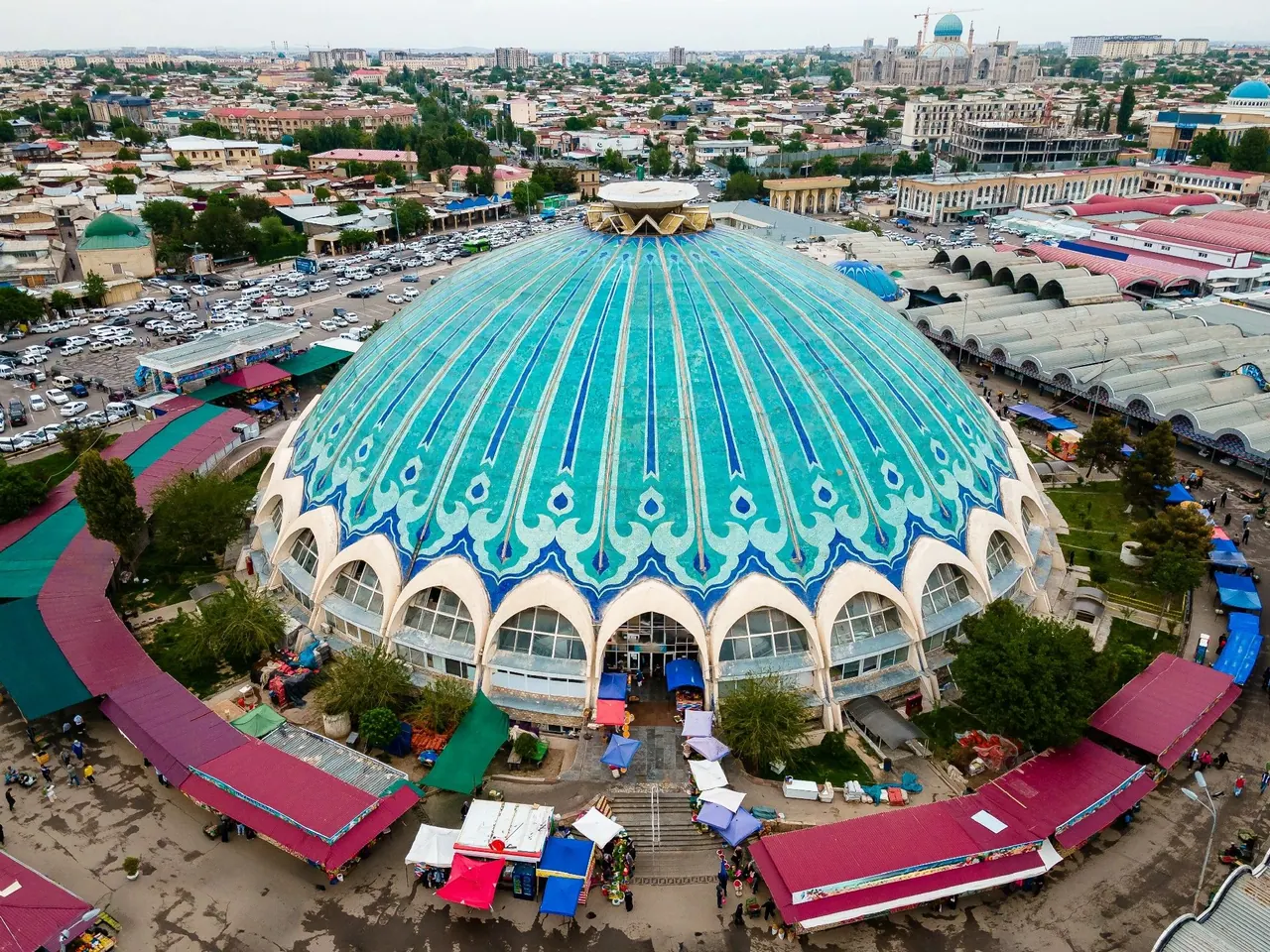
Every region claims the best version. In Samarkand, the rice is not stirred into the meat but served in layers. In Tashkent, plov centres such as the large plov kitchens near the TV tower cook enormous cauldrons for lunch. Bukhara, Khorezm and the Fergana Valley each have their own variations.
Bread: non
Round flat non bread is baked against the walls of a clay tandir oven and stamped with decorative patterns. Each city has its own style, and Samarkand non, dense, shiny and long-lasting, is especially famous. Bread is always broken by hand and treated with respect.
Dishes to try
- Samsa: flaky pastries filled with minced meat and onion, or with pumpkin, baked in the tandir.
- Manti: large steamed dumplings filled with meat and onion (sometimes pumpkin), served with yoghurt or sour cream.
- Chuchvara: small boiled dumplings, served in broth or fried.
- Lagman: hand-pulled noodles with meat and vegetables, either in a rich broth or as a stir-fried dish, a speciality shared with the Uyghur cuisine.
- Shurpa: a clear soup of lamb, potatoes, carrots and herbs.
- Mastava: a hearty rice soup with meat and vegetables, often served with yoghurt.
- Mashkhurda: a soup of rice and mung beans.
- Dimlama: meat and vegetables slowly braised in their own juices.
- Shashlik: grilled skewers of lamb, beef or minced meat, served with raw onion and vinegar.
- Kazan kabob: meat and potatoes fried in a cauldron.
- Khanum: rolled, steamed dough with a meat filling.
- Dolma: vine leaves or vegetables stuffed with meat and rice.
Salads such as achichuk, made with tomato and onion, and fresh dairy such as suzma (strained yoghurt) and qatiq (a yoghurt drink) accompany most meals.
Fruit, nuts and sweets
Uzbekistan is famous for its fruit: melons, grapes, apricots, pomegranates, figs and peaches in season, and dried fruit and nuts all year round. Bazaars sell navat (crystallised sugar, often served with tea), halva, parvarda (pulled-sugar sweets) and chak-chak. In spring, sumalak, a sweet paste of sprouted wheat cooked through the night, is prepared for Navruz.
Tea culture
Tea is served with every meal and at every visit. Green tea (kok choy) is most common, especially in the south and in hot weather, while black tea is popular in Tashkent and Khorezm. Tea is poured into small bowls (piala); it is often poured back into the pot two or three times to let it brew, a custom known as qaytarish.
The choyxona (teahouse) is a traditional meeting place, usually with raised wooden platforms (tapchan) where guests sit cross-legged around a low table.
Wine and other drinks
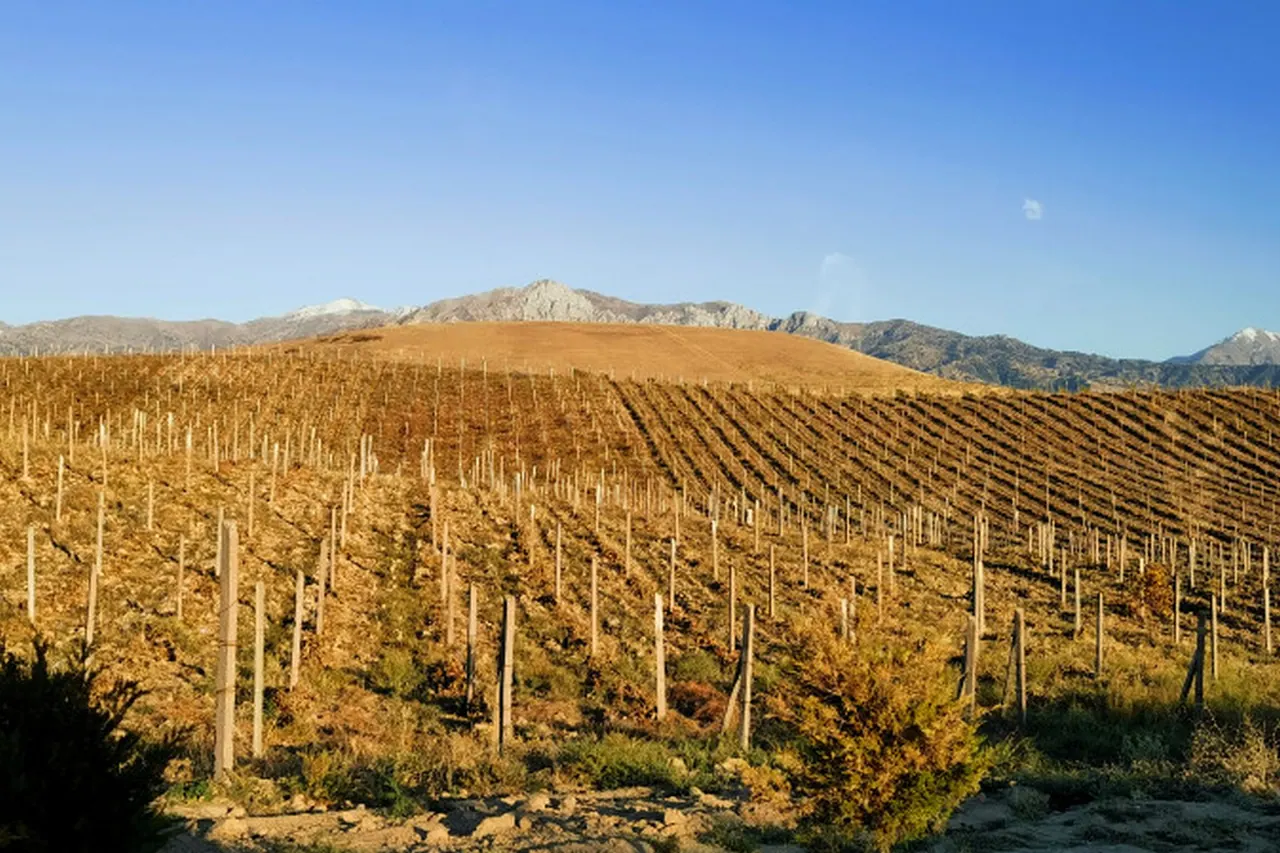
Uzbekistan is a predominantly Muslim country, but alcohol is legally available, and the country has a long wine-making tradition. Vineyards are found in the Samarkand region and the foothills near Tashkent, including the Khamkor winery in the village of Namdanak, which can be visited on our winery tour.
Taste Uzbekistan with us
Our Gastronomic Tour of Uzbekistan is built around food: dolma and lagman in Tashkent, Samarkand plov and kazan kabob, mastava in a Shakhrisabz chaikhana, mashkhurda and khanum in Bukhara, with cooking master classes along the way.
Frequently asked questions
Is Uzbek food suitable for vegetarians?
Traditional Uzbek cuisine is meat-heavy, with lamb and beef at the centre of most dishes. Vegetarians can enjoy salads, bread, dairy, fresh and dried fruit, nuts and vegetable dishes, and many restaurants in the main cities can prepare meat-free versions. Tell your tour operator about dietary needs in advance.
Is it safe to drink tap water?
Visitors are generally advised to drink bottled or boiled water, which is easy to find. Tea, which is made with boiled water, is served everywhere.
Can I learn to cook Uzbek dishes?
Yes. Our gastronomic tour includes cooking master classes, among them a lagman-making evening in a national home in Tashkent, and the Classic Uzbekistan Tour includes a plov master class in Samarkand.