Plan Your Trip
Language
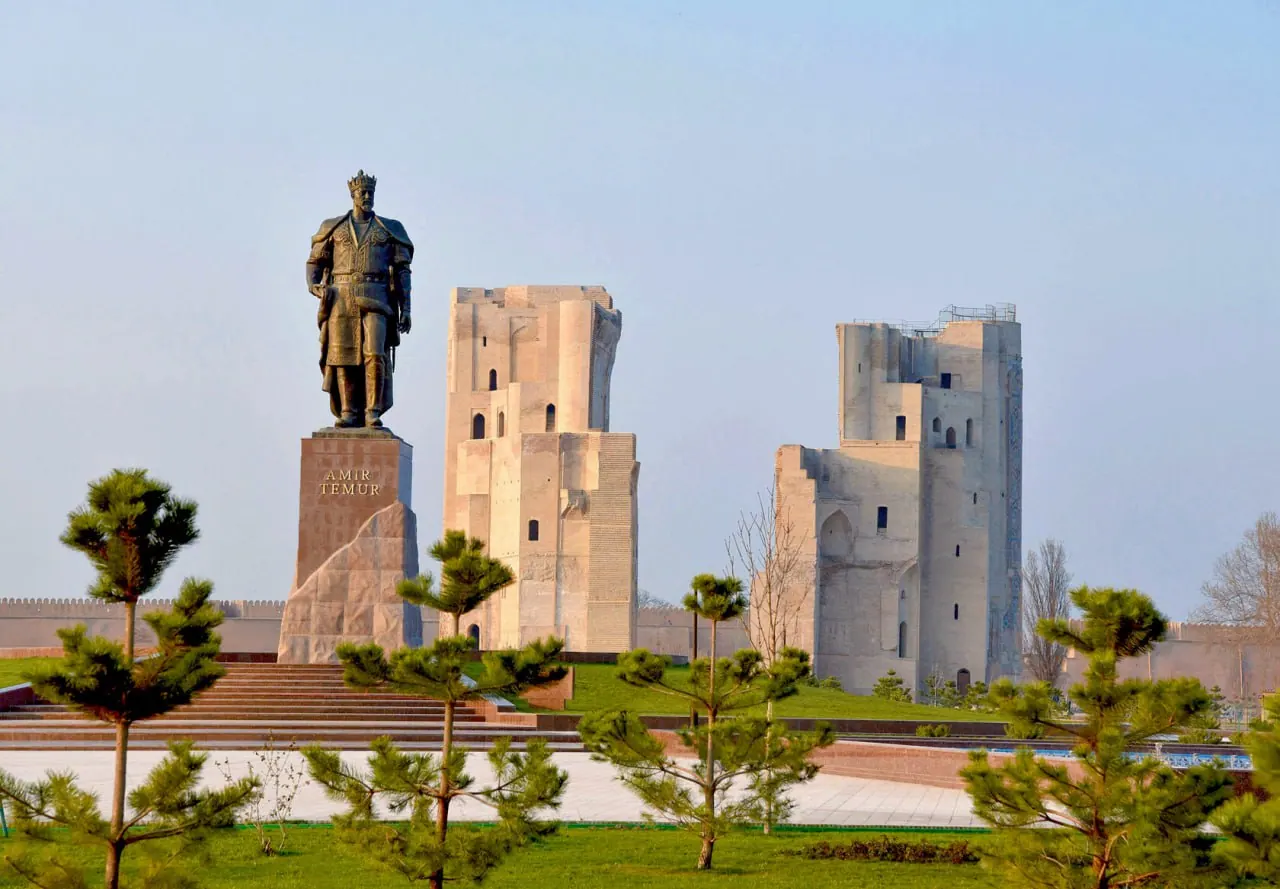
Statue of Amir Temur before the ruins of the Ak-Saray Palace, Shakhrisabz

The "Green City", birthplace of Amir Temur

Shakhrisabz

Temur's home town south of Samarkand: the vast portal of the Ak-Saray palace, the Dorus-Siadat and Dorut-Tilavat ensembles, gardens and vineyards.

About Shakhrisabz

The name Shakhrisabz means “Green City”, and it truly is immersed in the greenery of gardens and vineyards. One of the oldest cities in Uzbekistan, it enchants visitors from afar, especially at night, when from the Takhta-Karacha mountain pass you see its scattered, many-coloured lights below and feel you are standing on the threshold of an eastern fairy tale.

Temur’s home town

Known in antiquity as Kesh, Shakhrisabz was Amir Temur’s birthplace (1336). Not many historic monuments survive in the city itself, but each of them is unique or of great historical value, and all are connected with Temur and his family.

Ak-Saray: the White Palace

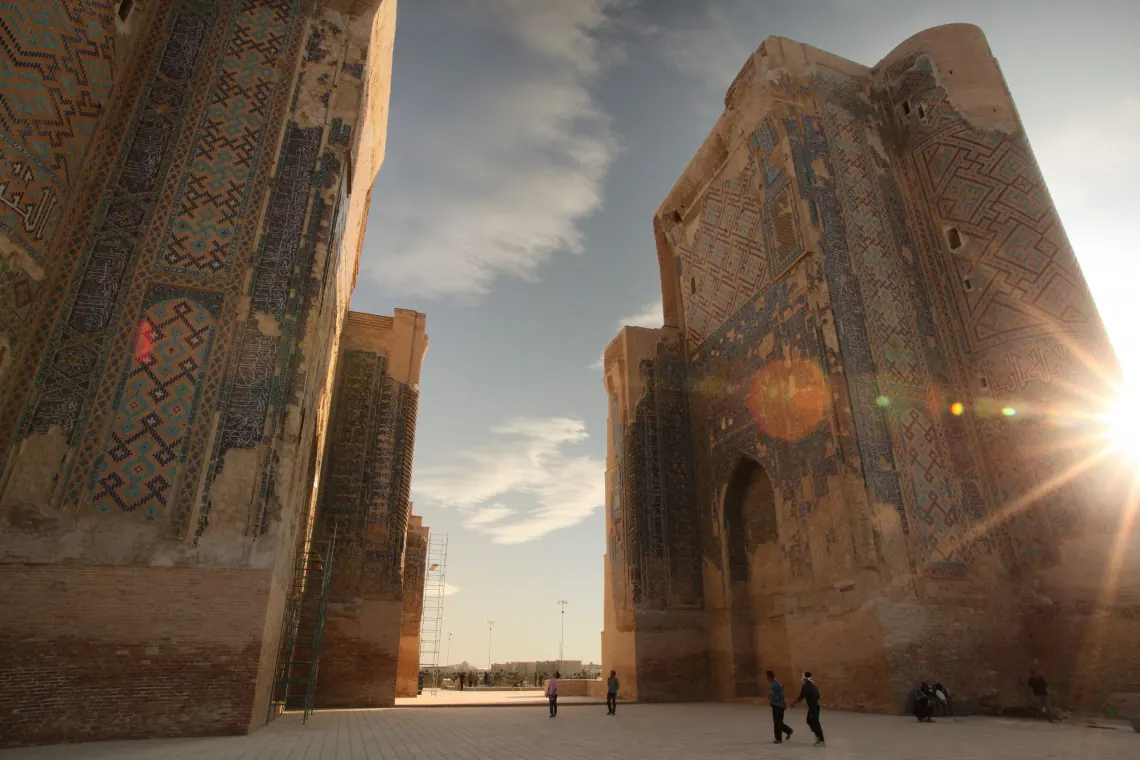
Temur’s summer residence, Ak-Saray (“White Palace”), was built between 1380 and 1404 by craftsmen brought from Khorezm and other conquered lands. Only fragments of its entrance portal survive, but they are enormous, and their blue, white and gold tilework still shows how grand the palace must have been. An inscription over the gate is often quoted: “If you doubt our power, look at our buildings.”

Dorus-Siadat

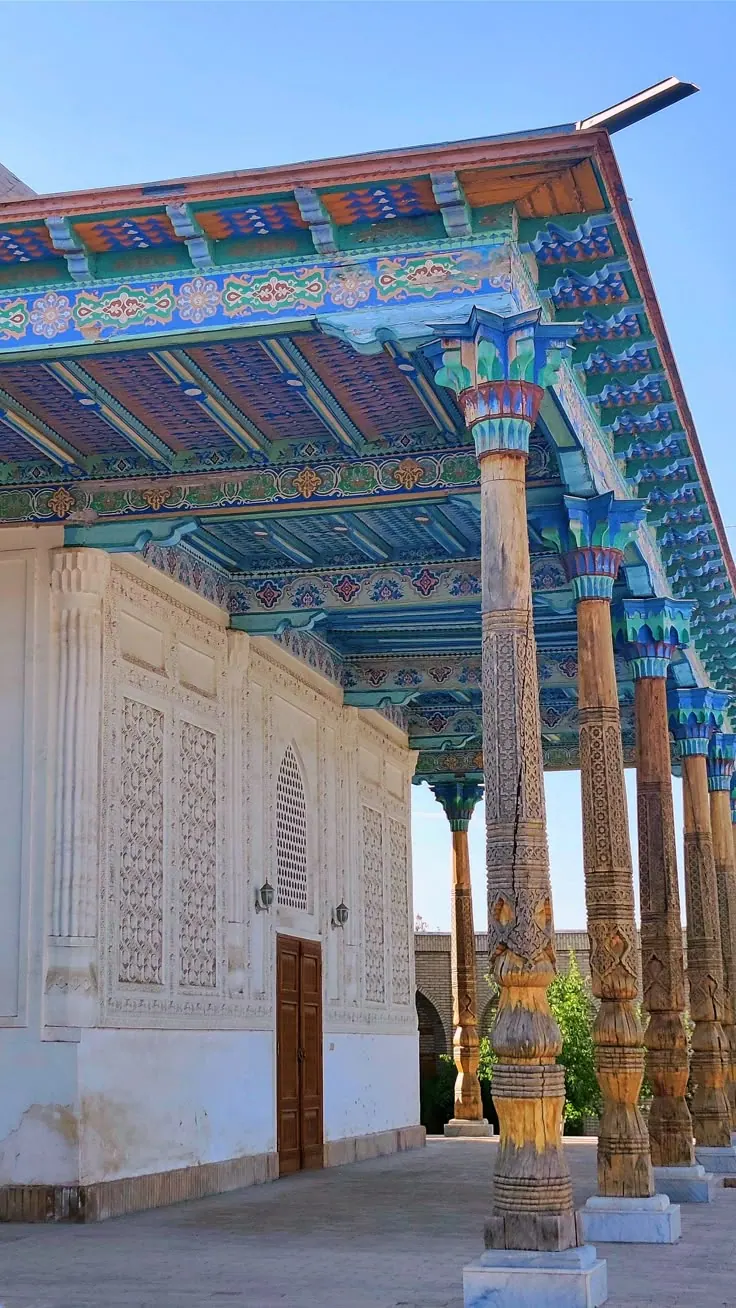
The Dorus-Siadat (“Seat of Power”) complex was built as a dynastic burial place. It contains the mausoleum of Temur’s eldest son, Jahangir, who died young, and a stone crypt that Temur is believed to have prepared for himself, though he was eventually buried in Samarkand. In scale and decoration it was comparable to Ak-Saray.

Dorut-Tilavat

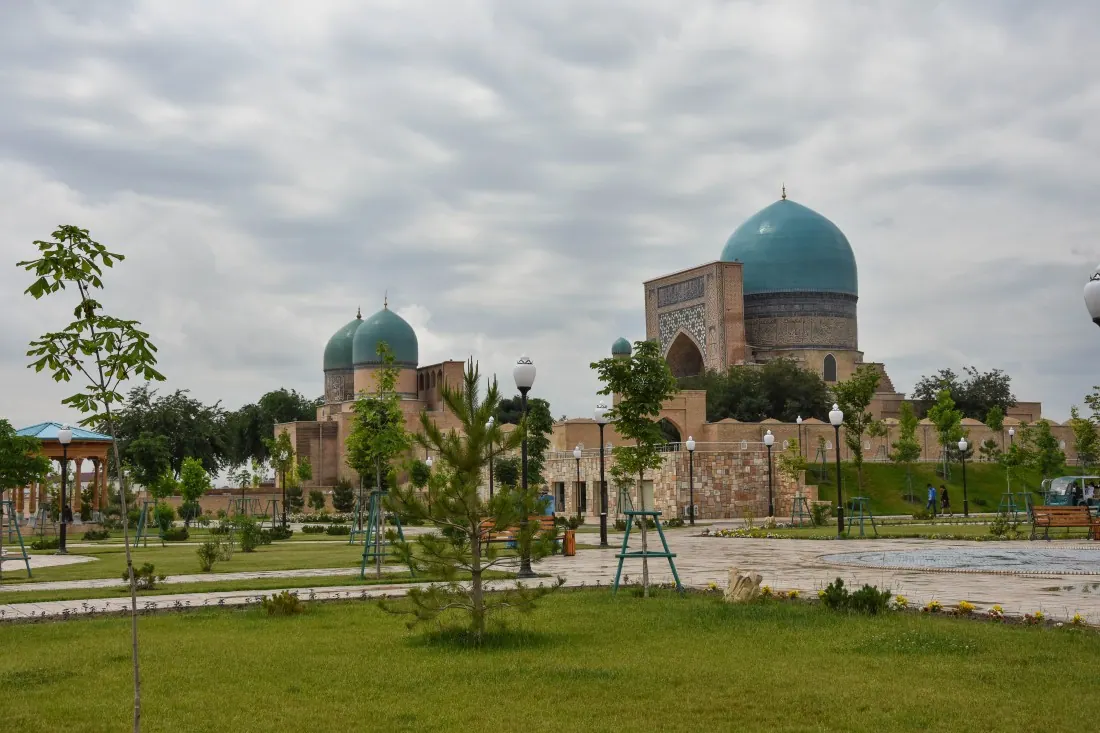
The Dorut-Tilavat (“House of Contemplation”) ensemble contains the mausoleum of Shamsiddin Kulol, Temur’s spiritual mentor, and the Kok-Gumbaz (“blue dome”) Friday mosque, built by Temur’s grandson Ulugh Beg in the fifteenth century.

World Heritage in danger

The Historic Centre of Shakhrisyabz was inscribed on the UNESCO World Heritage List in 2000. In 2016 UNESCO added it to the List of World Heritage in Danger, after large areas of the historic centre were cleared and rebuilt with new tourist infrastructure. Restoration work and monitoring are ongoing, and UNESCO kept the site on the danger list at its 2026 session.

Visit Shakhrisabz with Turenta Travel

Our Gastronomic Tour of Uzbekistan travels from Samarkand to Bukhara via Shakhrisabz, with a tour of the city and lunch in a chaikhana: flatbread and mastava soup.
Main attractions

  • Ak-Saray Palace

    Ak-Saray Palace

    Temur's "White Palace" (1380–1404), whose surviving portal towers still give a sense of its colossal scale.

  • Dorus-Siadat

    Dorus-Siadat

    The "Seat of Power" (14th century): the memorial complex with the crypt of Temur's sons Jahangir and Omar Sheikh.

  • Dorut-Tilavat

    Dorut-Tilavat

    The "House of Contemplation", with the mausoleum of Temur's spiritual mentor Shamsiddin Kulol and the blue-domed Kok-Gumbaz Mosque.

Tours featuring this destination

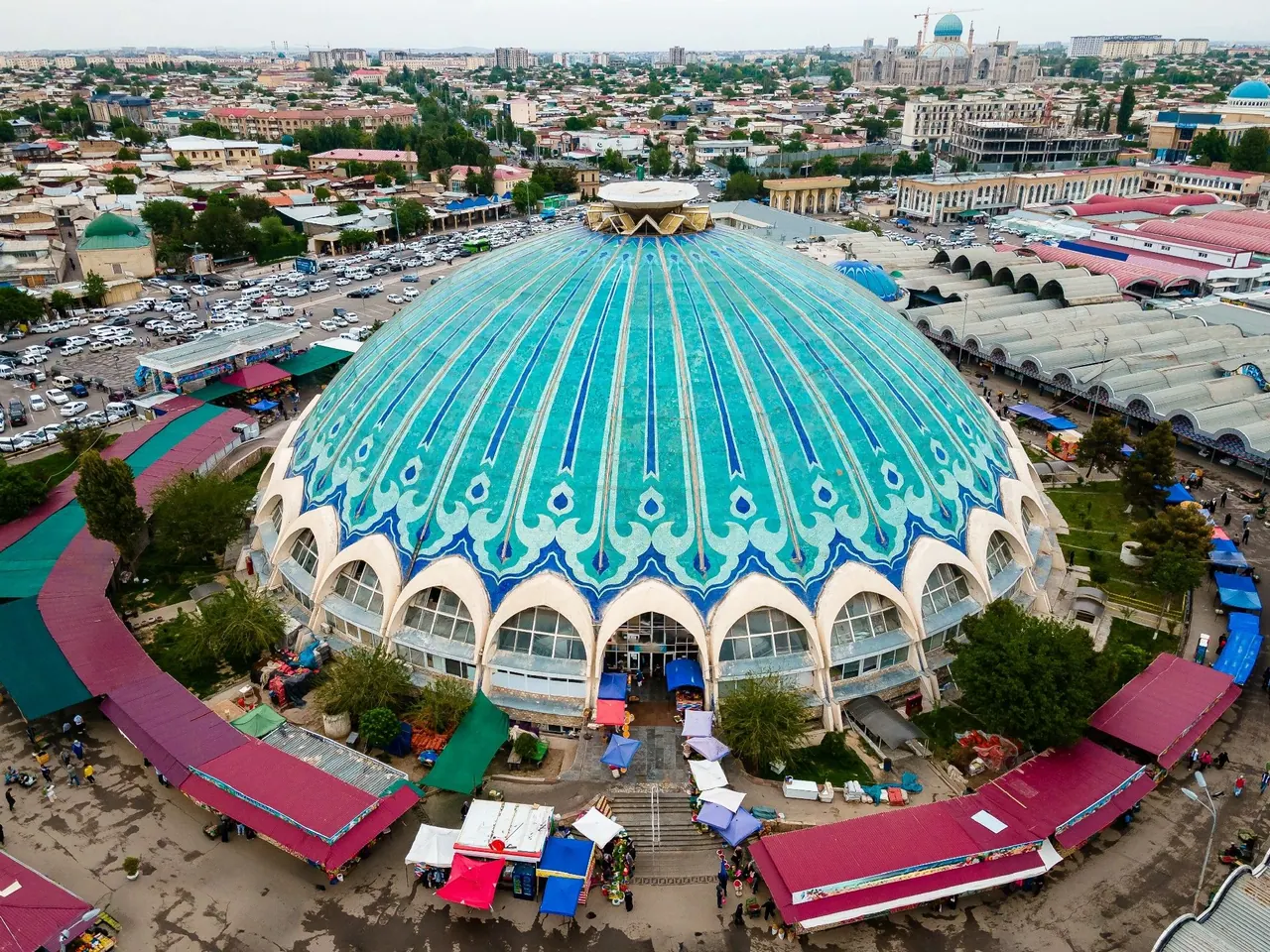
Aerial view of the turquoise dome of Chorsu Bazaar, Tashkent
7 days / 6 nights

Tashkent → Samarkand → Shakhrisabz → Bukhara → Tashkent

Gastronomic Tour of Uzbekistan

Seven days of Uzbek cuisine and heritage in Tashkent, Samarkand, Shakhrisabz and Bukhara, with cooking master classes, regional dishes at every meal and craft workshops in Bukhara.

From $807 per person

Frequently asked questions

Is Shakhrisabz worth a visit?

Yes, especially for anyone interested in Amir Temur. The ruined portal of Ak-Saray is one of the most impressive Timurid structures, and the journey over the Takhta-Karacha pass from Samarkand is scenic.

Why is Shakhrisabz on UNESCO's danger list?

UNESCO placed the Historic Centre of Shakhrisyabz on the List of World Heritage in Danger in 2016 because of large-scale redevelopment and tourist infrastructure that damaged the historic urban fabric. Conservation work and monitoring continue.

Uzbekistan guide

Background reading

History of Uzbekistan

From Sogdian merchants and Alexander the Great to Amir Temur, the khanates and independence in 1991: three thousand years of history in the heart of Central Asia.

Architecture & Heritage

Madrasas, mosques, minarets, mausoleums, fortresses and trading domes: how to read the monuments of Uzbekistan, from Samanid brickwork to Timurid tilework.

Uzbek Cuisine

Plov, samsa, manti, lagman, shurpa and freshly baked non bread: a guide to Uzbekistan's food, its regional variations, sweets and the culture of green tea.

Explore another destination

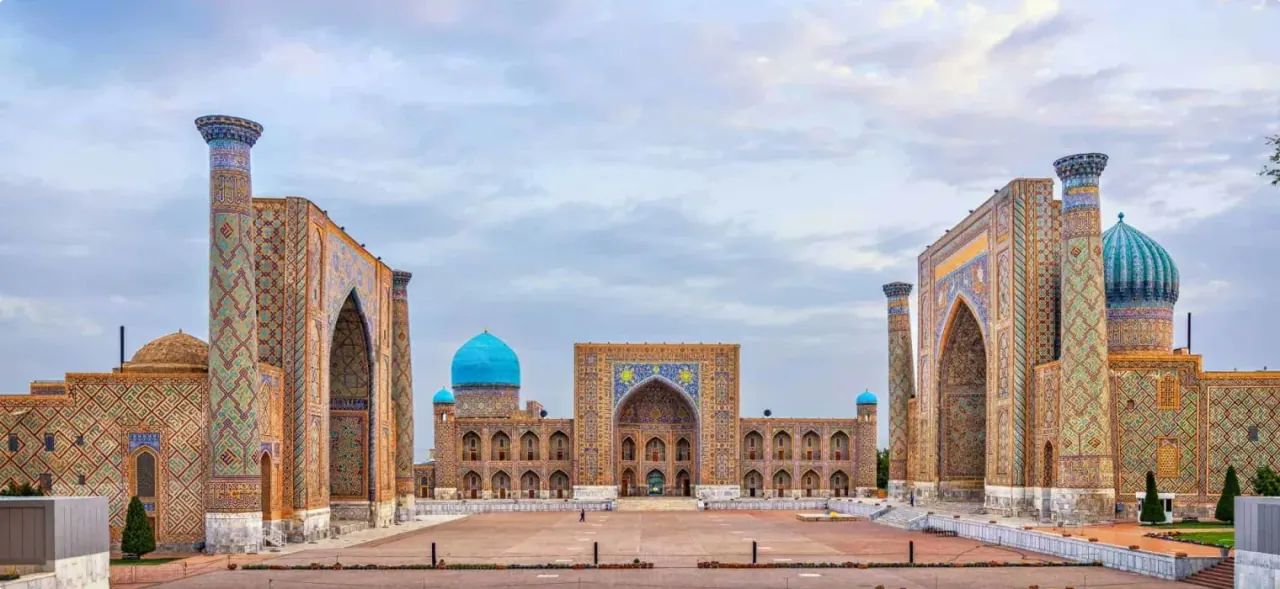
Panorama of Registan Square, Samarkand

Samarkand

One of the world's ancient cities, about 2,750 years old: the Registan, Gur-e-Amir, Shah-i-Zinda and the observatory of Ulugh Beg in the valley of the Zarafshan.

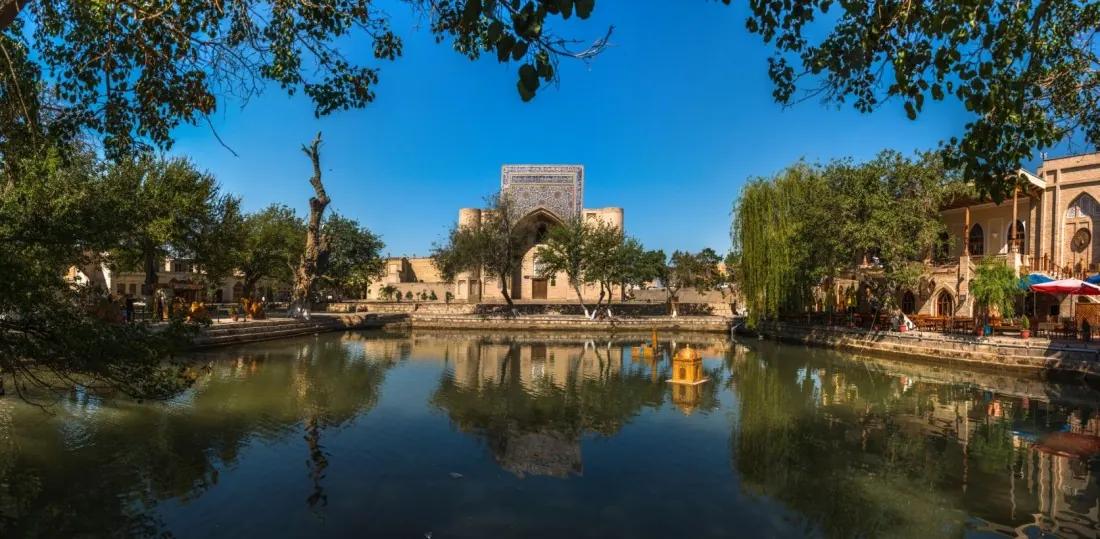
The Lyabi-Hauz pool and its madrasas, Bukhara

Bukhara

One of the oldest cities in the world: fabulous Bukhara, with more than a thousand years of monuments, from the Samanid Mausoleum to the Kalyan Minaret and the trading domes.

Ready to discover Uzbekistan?

Tell us how you would like to travel and we will help you plan the journey.

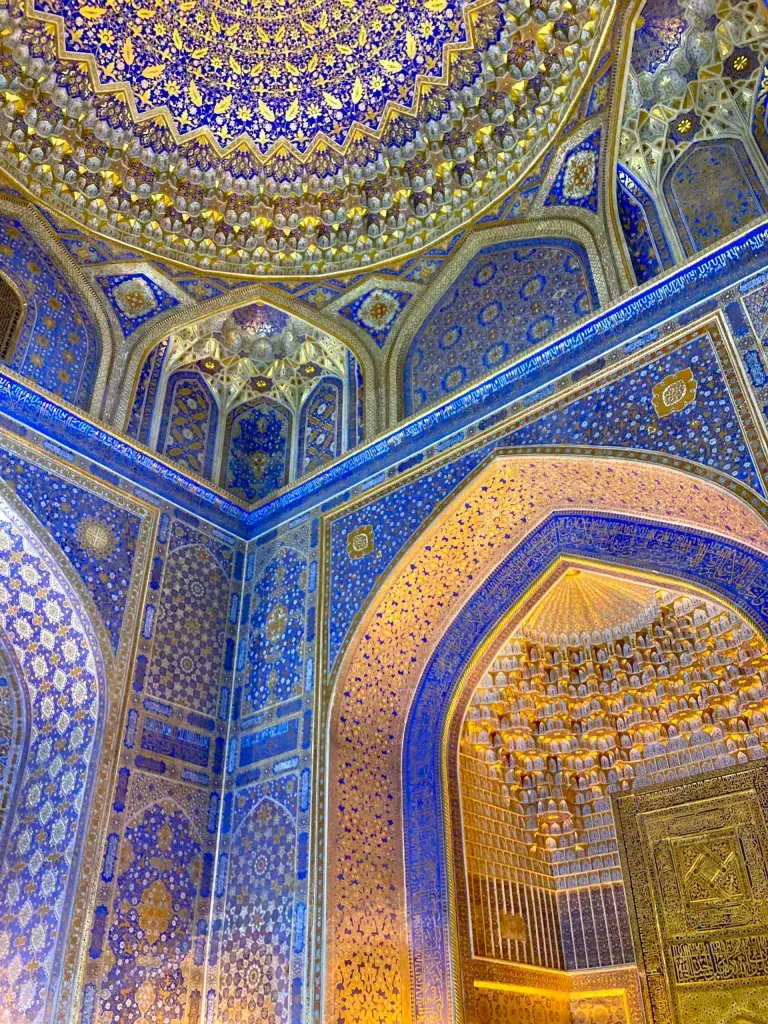
Gilded and blue interior of a madrasa mosque on the Registan, Samarkand